

Archive gallery
Historical Pictures
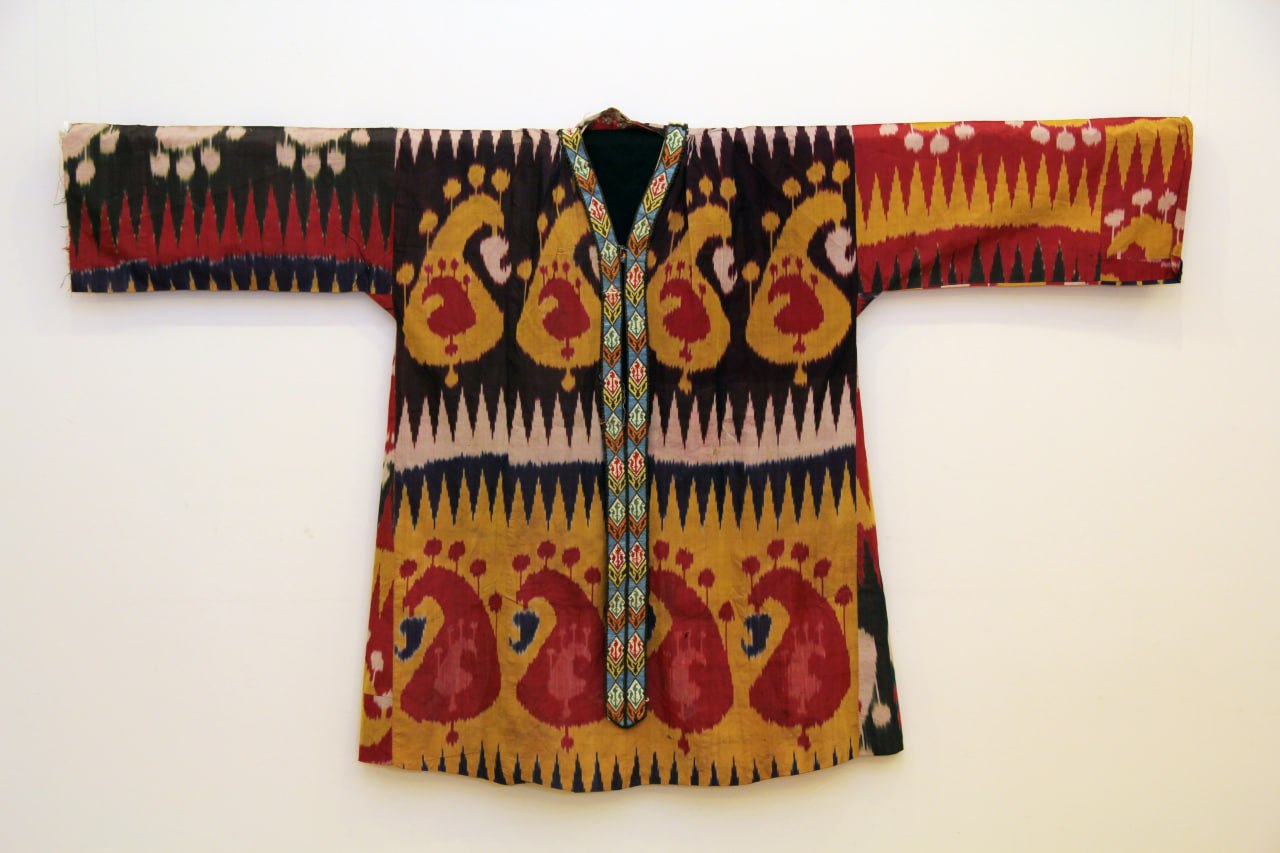
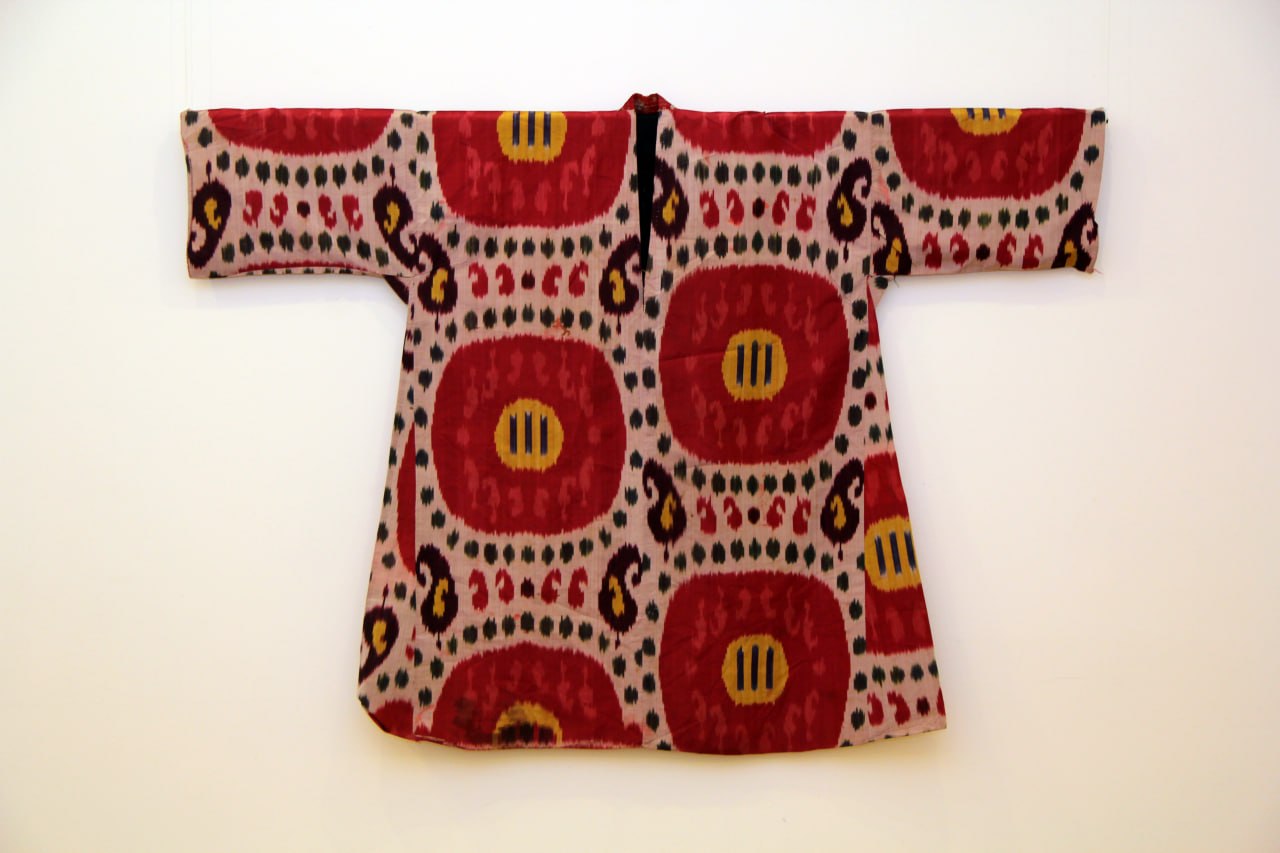
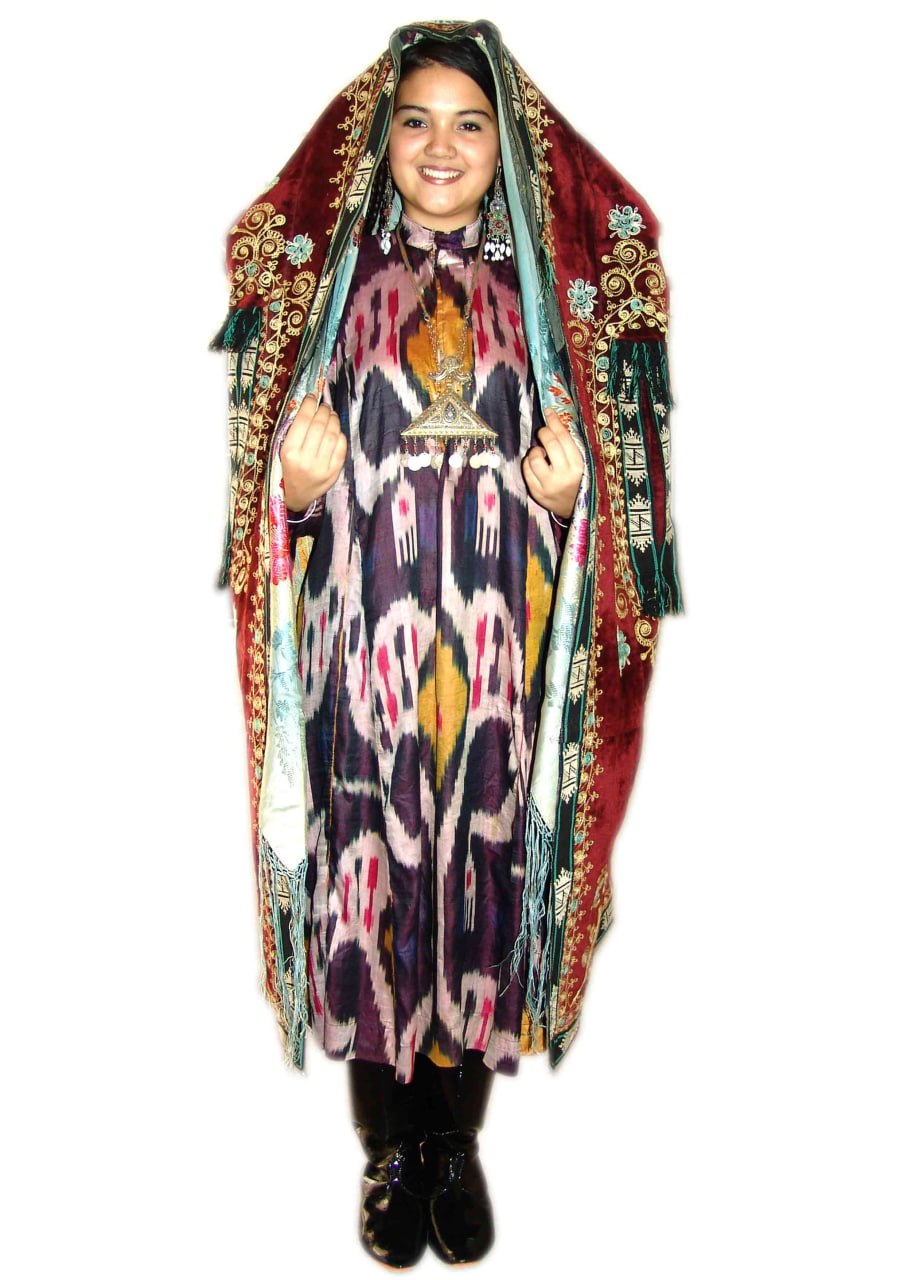
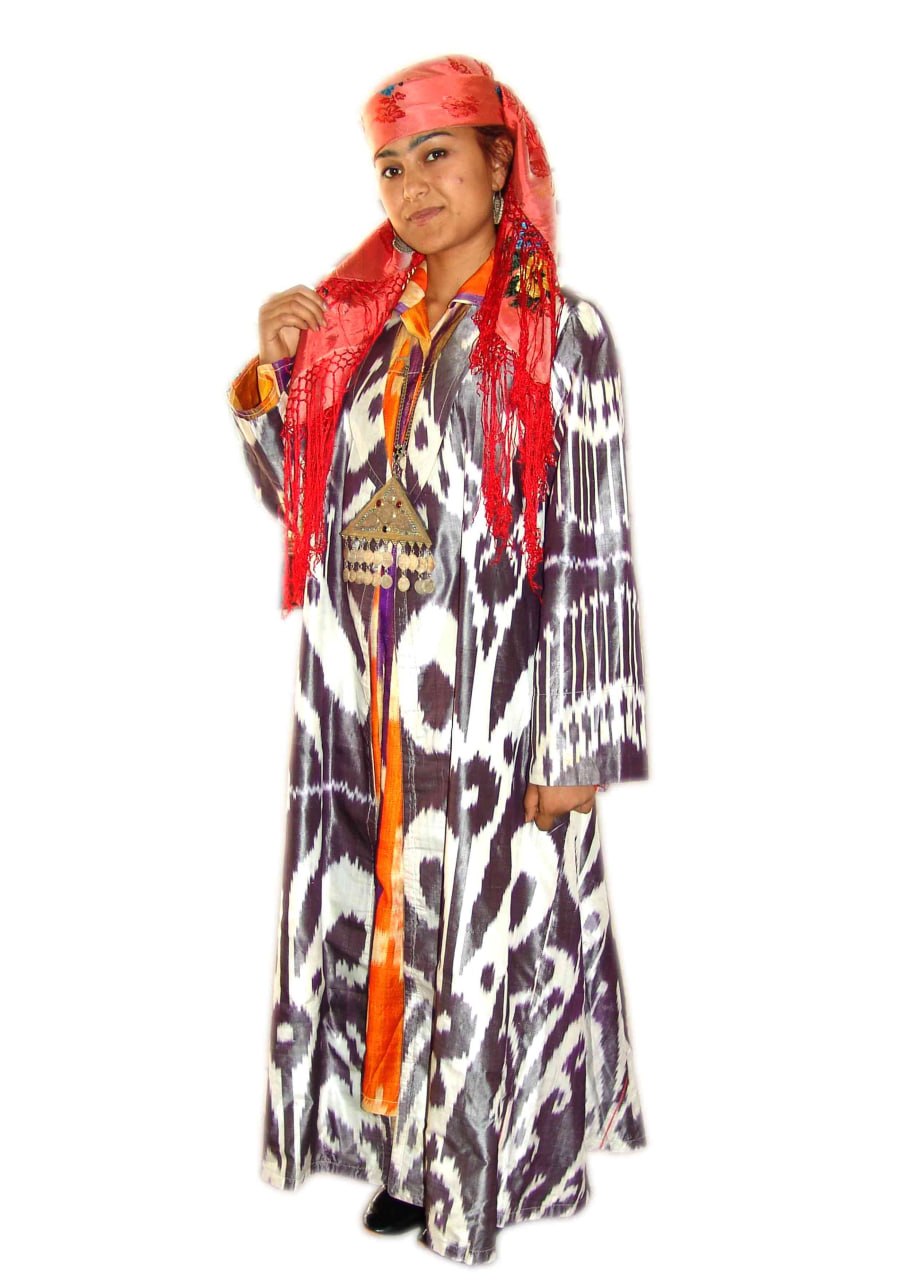
Since ancient times, Uzbekistan has produced remarkably beautiful, high-quality fabrics: cotton, half-silk, silk, and woolen textiles.
Among the oral traditions of the peoples of Central Asia are legends explaining the origin of abr patterns. According to one legend, abr patterns were first made in imitation of the reflection of moving clouds in the water of a pond; according to another, they imitated rainbow-colored spots formed by oil poured into a hauz.
It is difficult to determine when abr dyeing appeared. The oldest abrband masters consider the abrband technique very ancient. The well-known Margilan master Abdusamat Akhmedov, who loves his work deeply and is proud of it, says that there is a legend about a time when there were no cocoons, but there are no legends about a time when there was no abrband.
They were famous throughout the East as early as antiquity and the early Middle Ages, when the famous “Silk Road” passed from China through ancient Uzbekistan. The wide renown of Bukhara and Samarkand fabrics is attested by tenth-century historians such as Narshakhi, Makdisi, and others. According to their accounts, local fabrics were exported to Baghdad, Khorasan, Syria, Byzantium, and Egypt. The quality of these goods was so high that, if the author is to be believed, “for one curtain one could give the whole land tax of Bukhara.”
After a certain decline in the late Middle Ages, in the seventeenth and eighteenth centuries, artistic weaving revived in all regions of Central Asia. In the middle of the twentieth century, many cities — Bukhara, Margilan, Namangan, Samarkand, Shakhrisabz, Khujand, Gissar, and others — produced and were known for various types of high-quality fabrics marked by national distinctiveness and originality.
The term “abr” as a designation for a type of ornament occurs in literary sources of the sixteenth century.
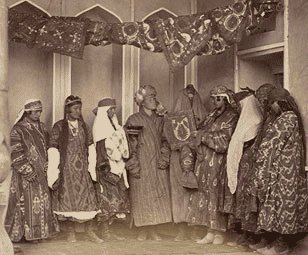
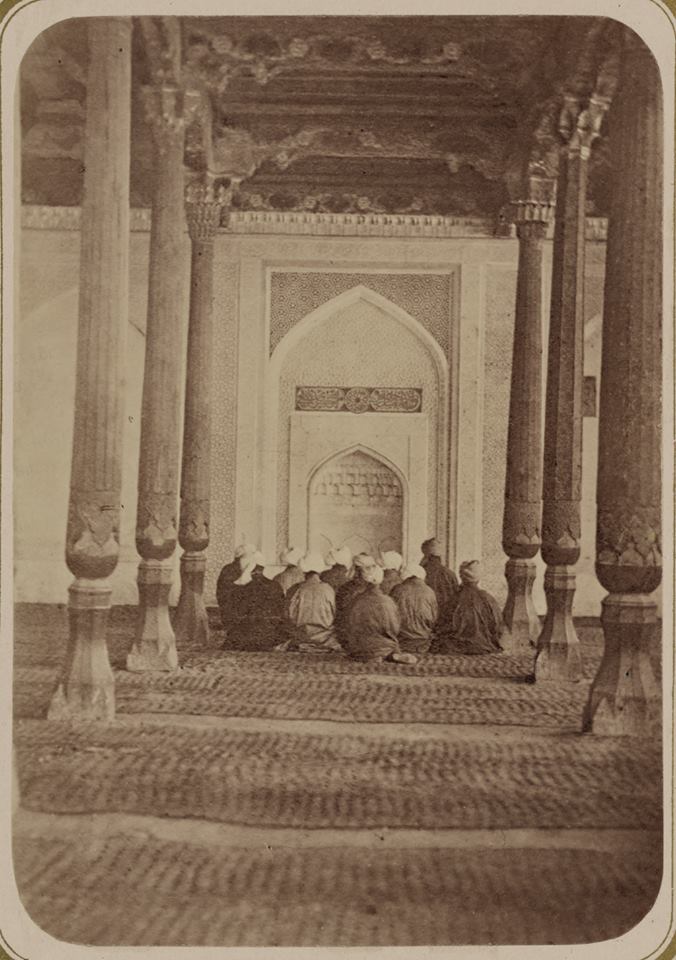
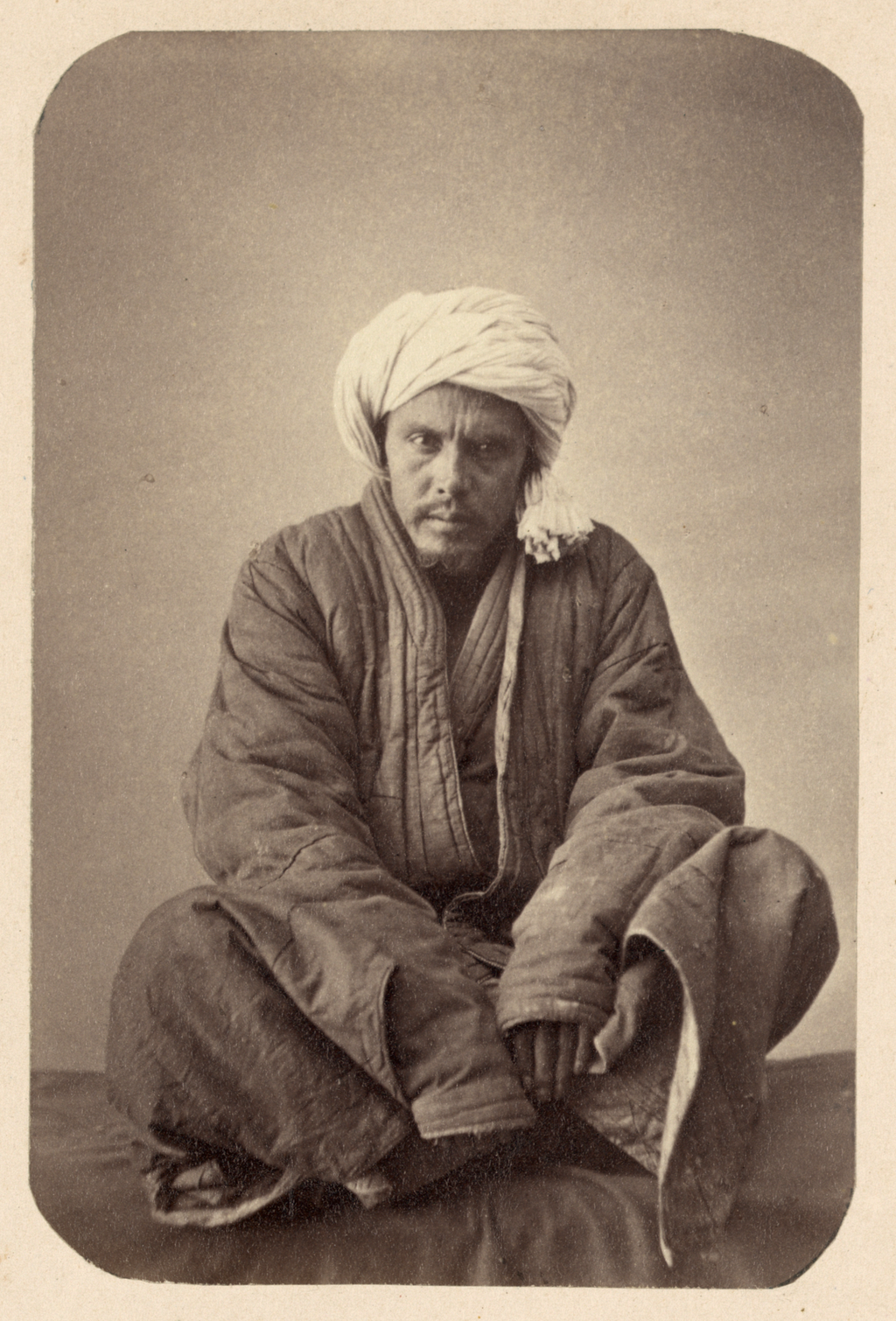
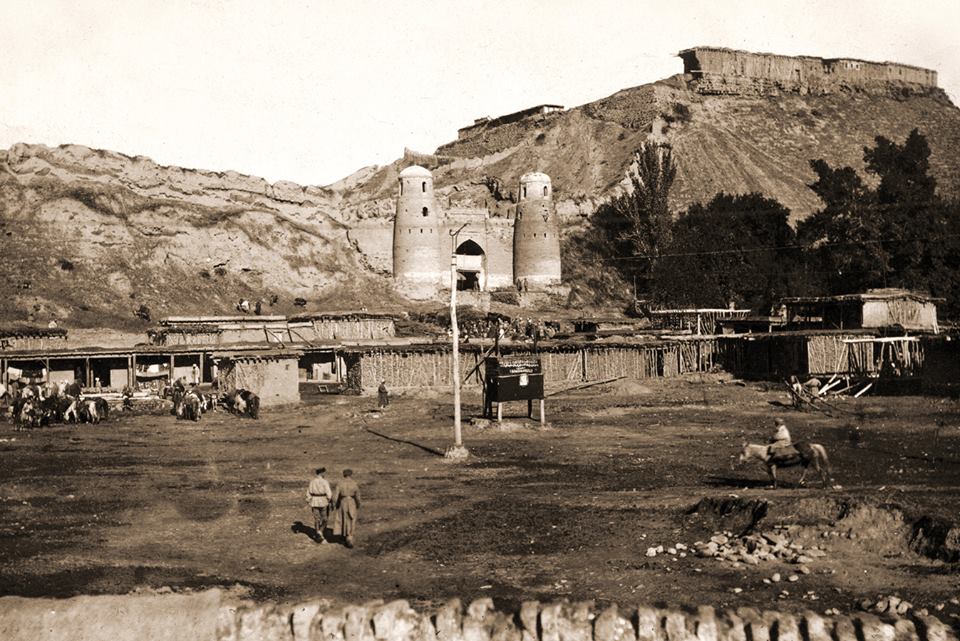
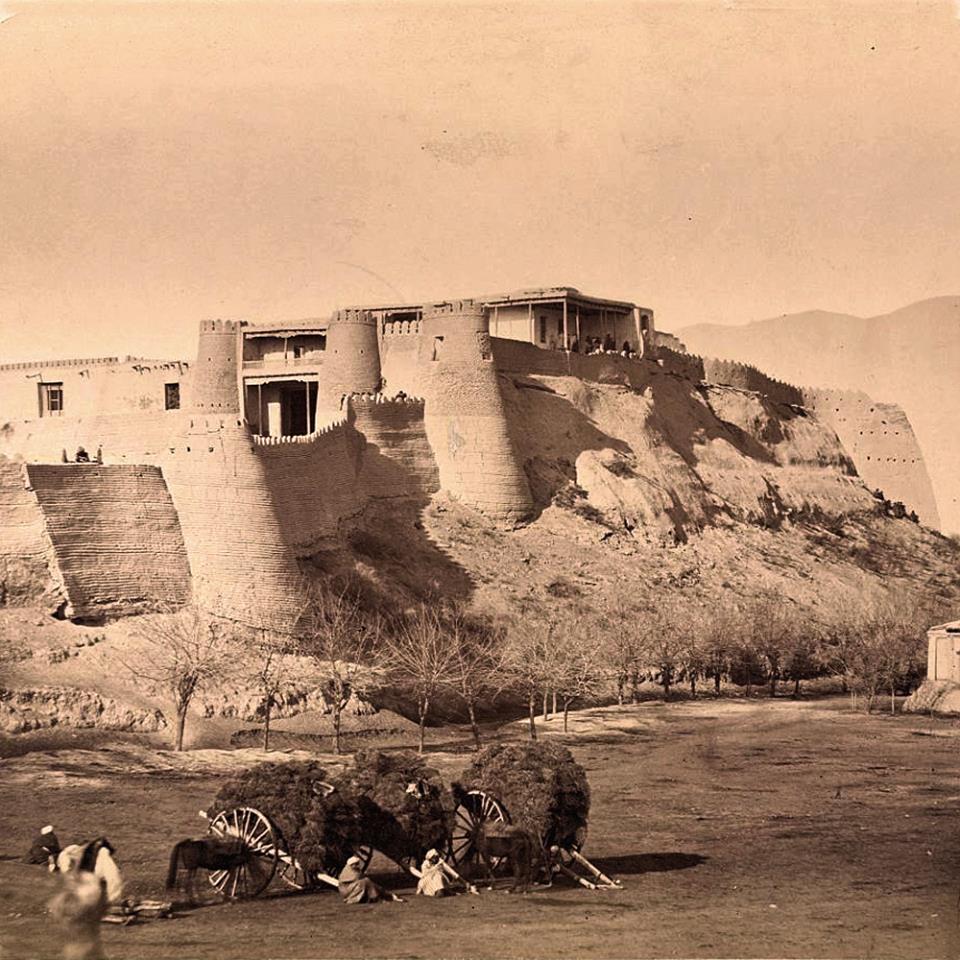
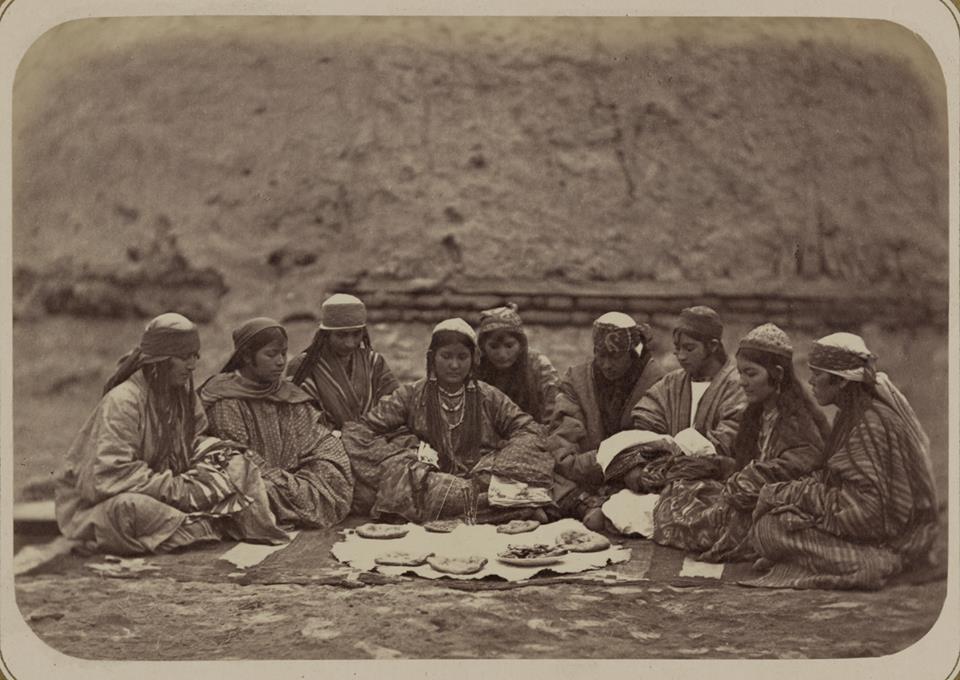
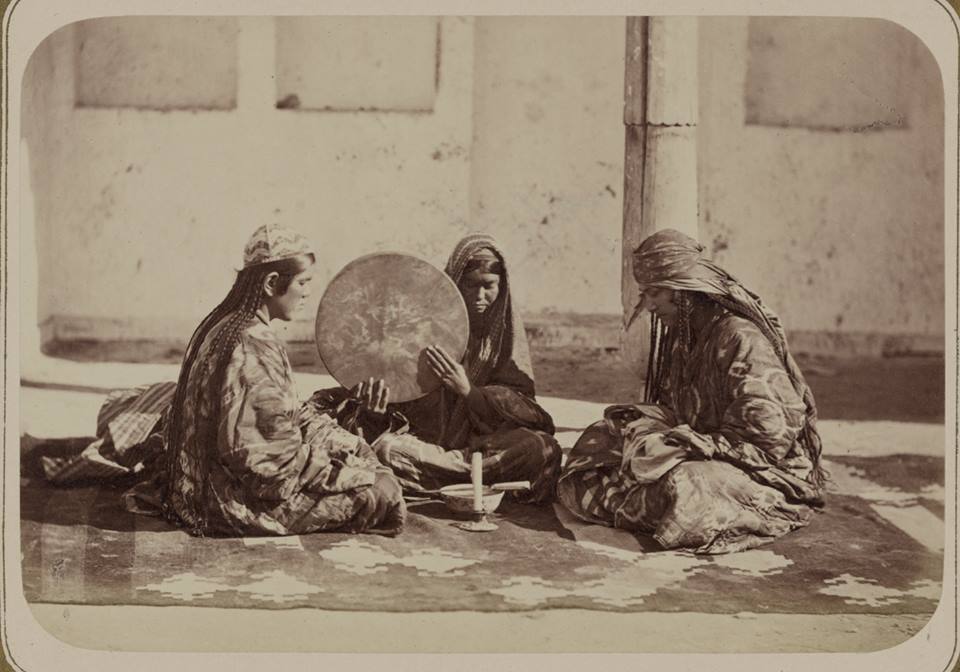
Historical photographs — 19th & early 20th centuries
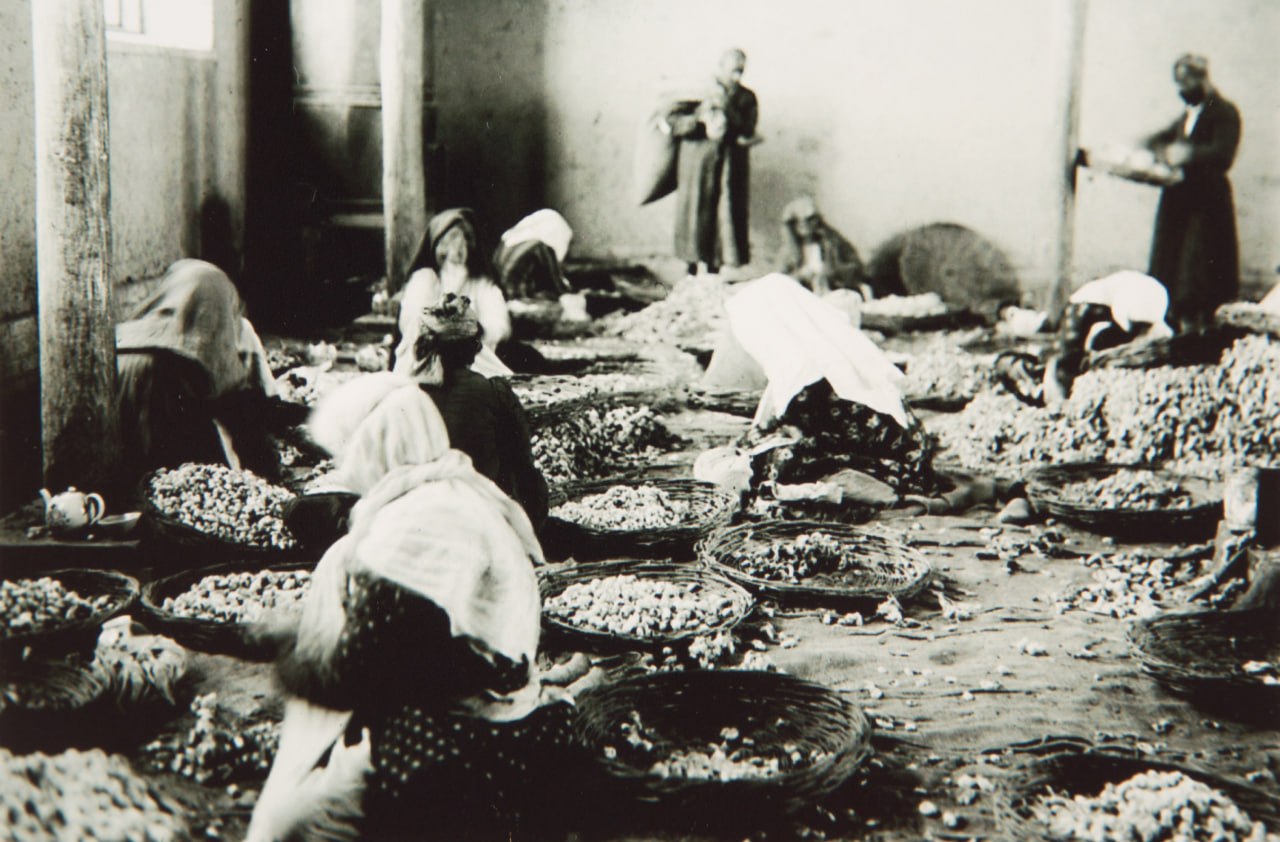
28 imagesPortraits, places and textile production, from nineteenth-century photographs to later records of craft and workshop life.
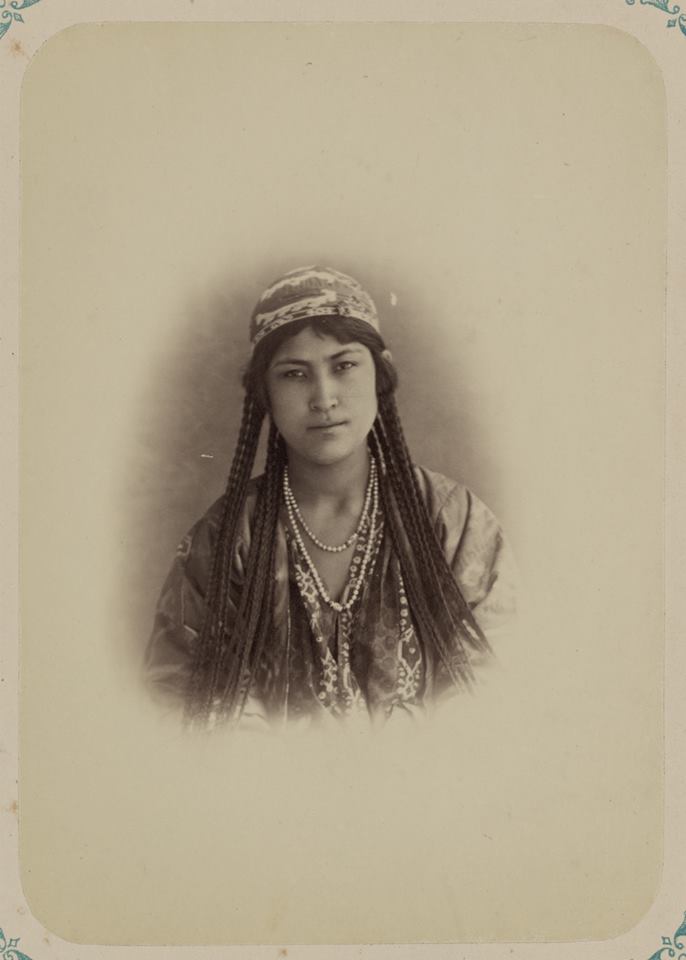
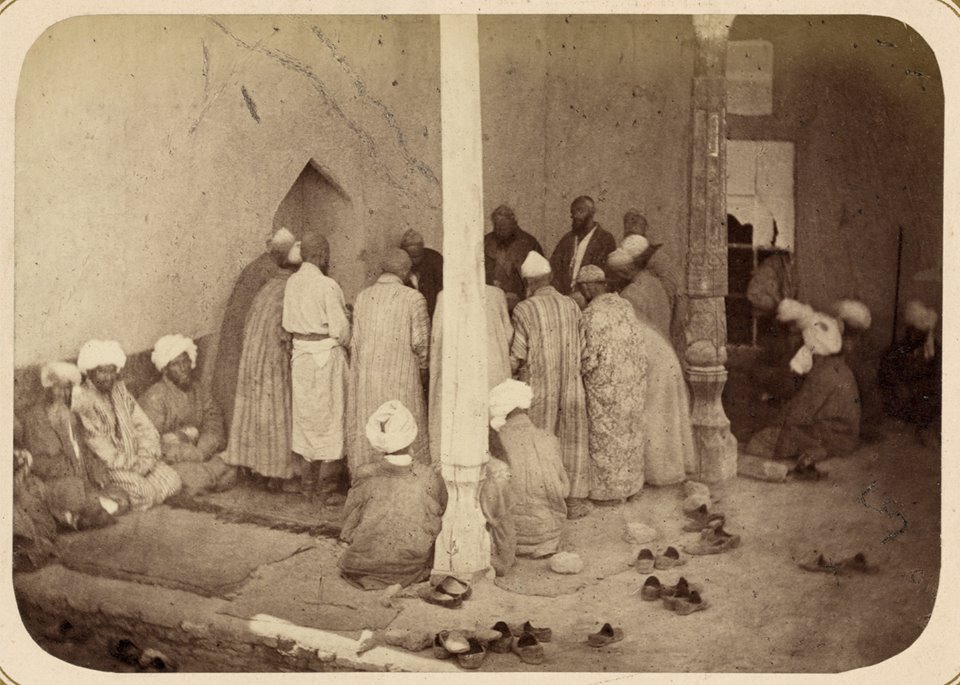
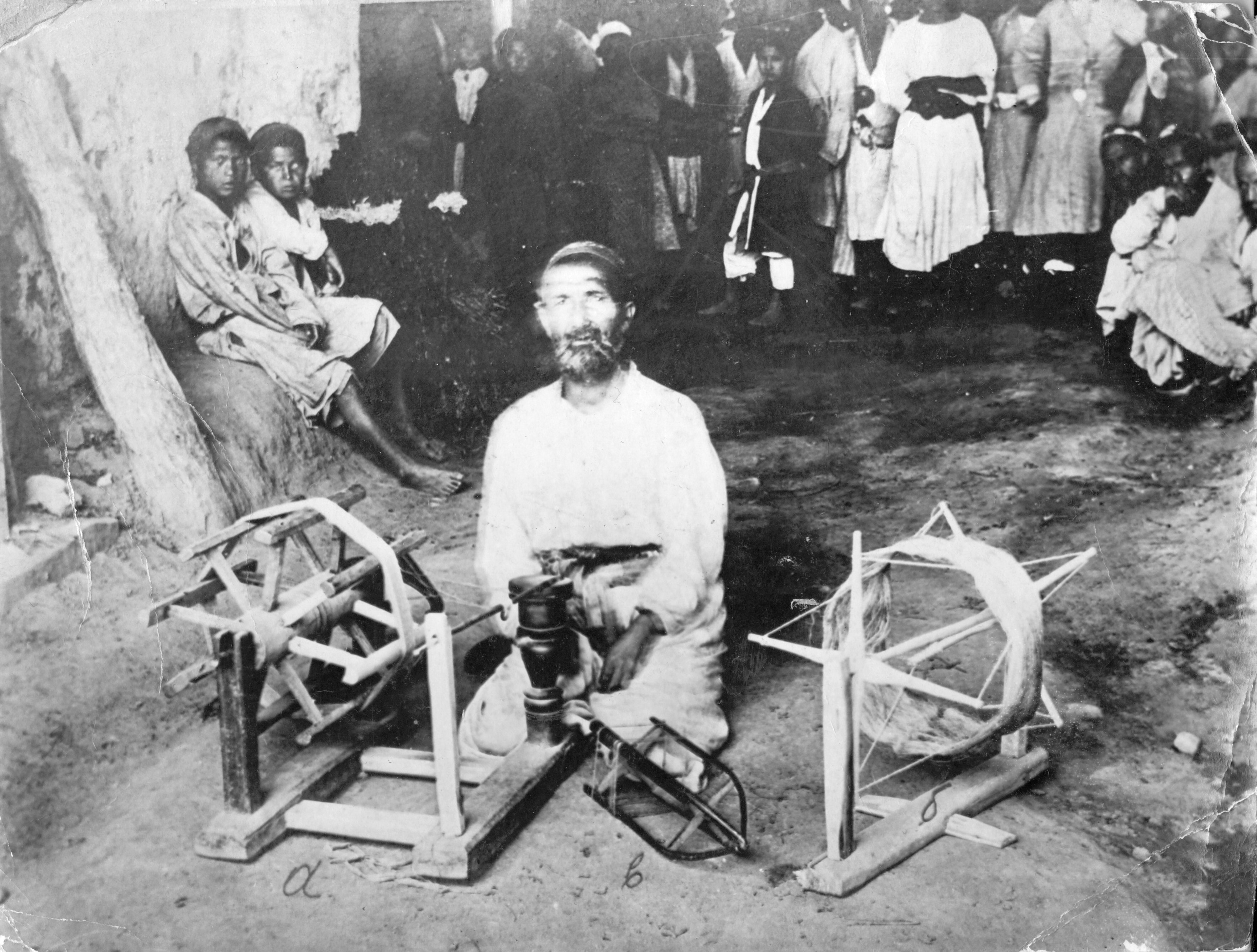
Pre-revolutionary Uzbekistan
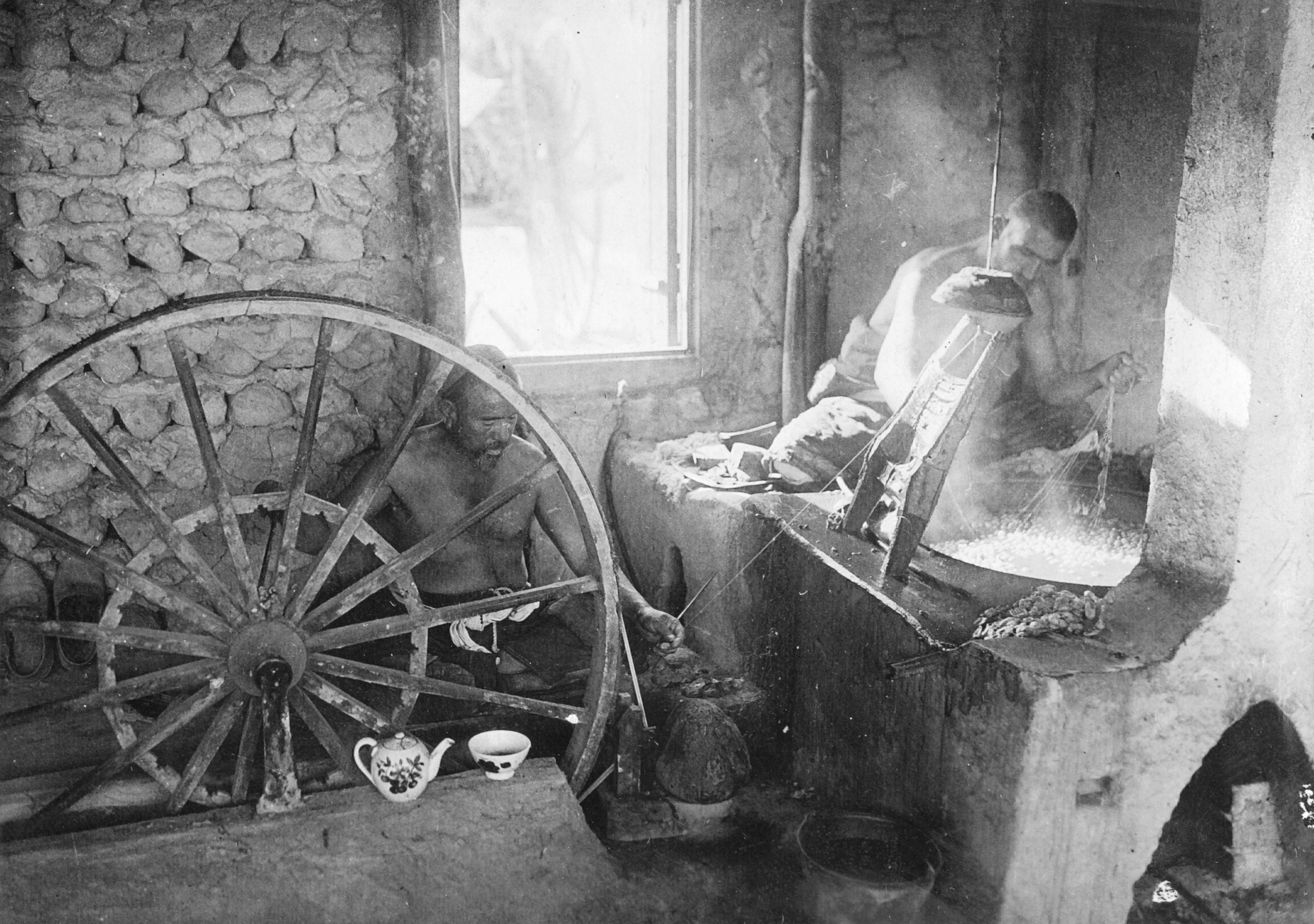
Margilan · 1930
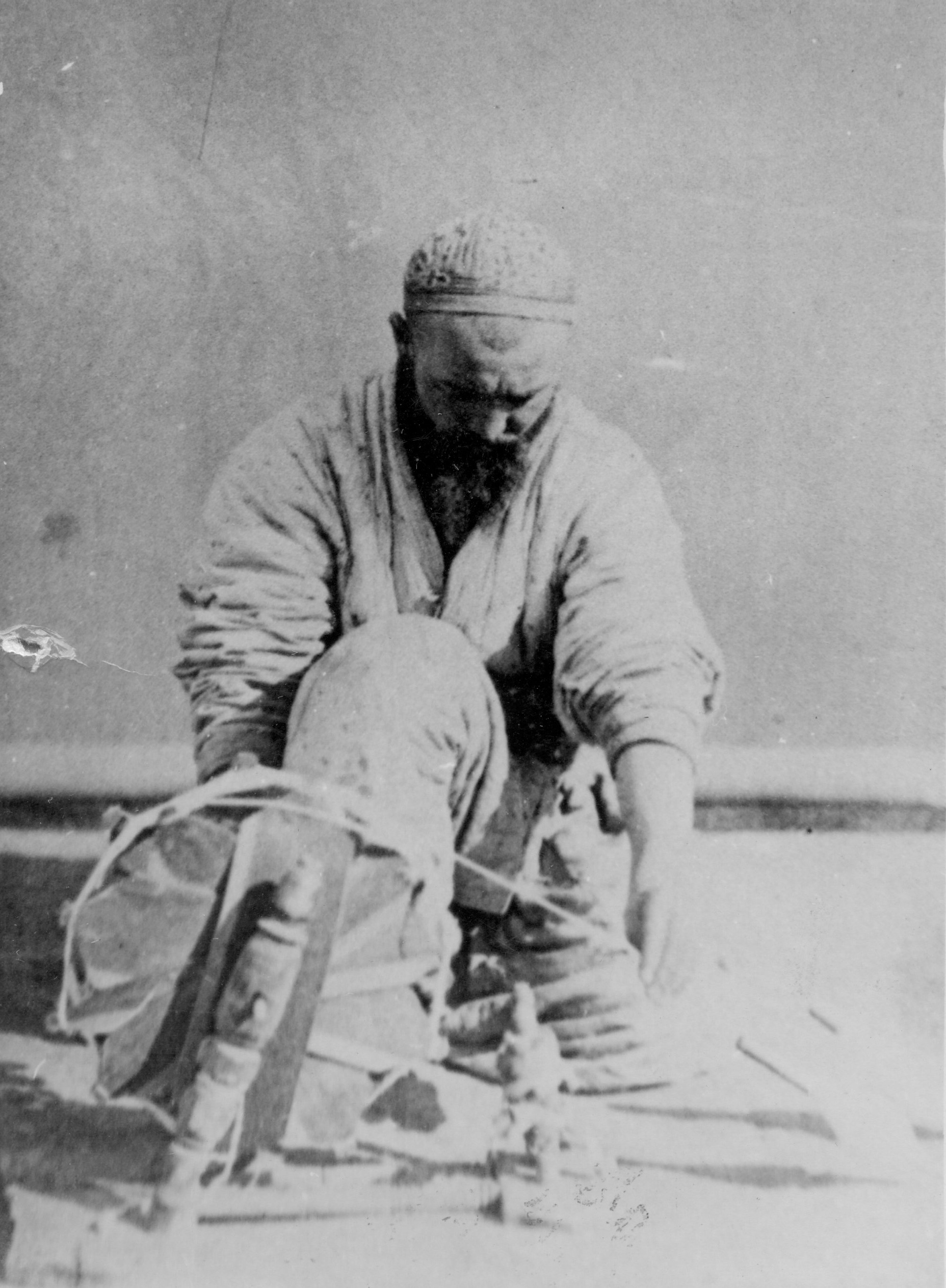
Late 19th–early 20th century
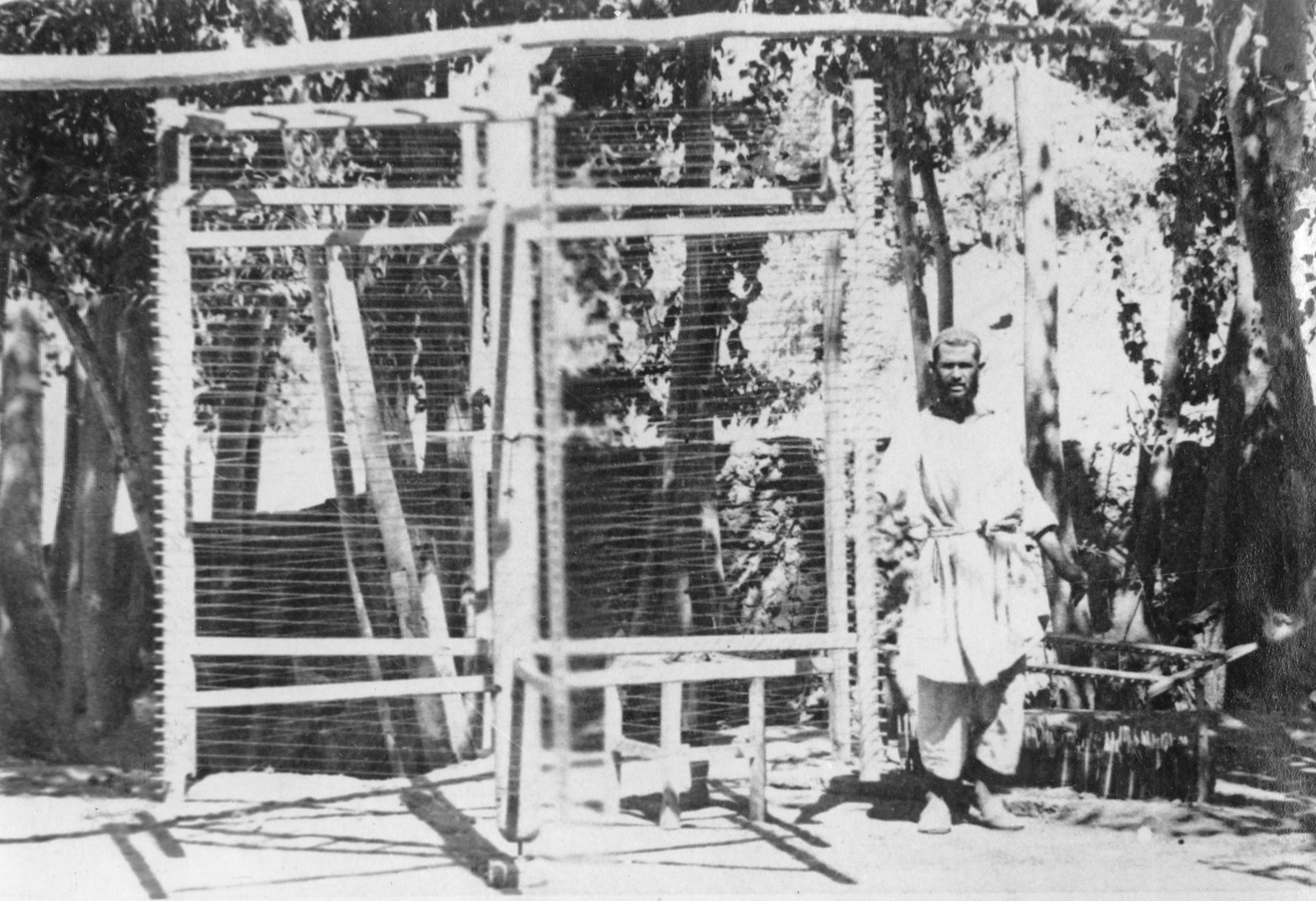
Late 19th–early 20th century
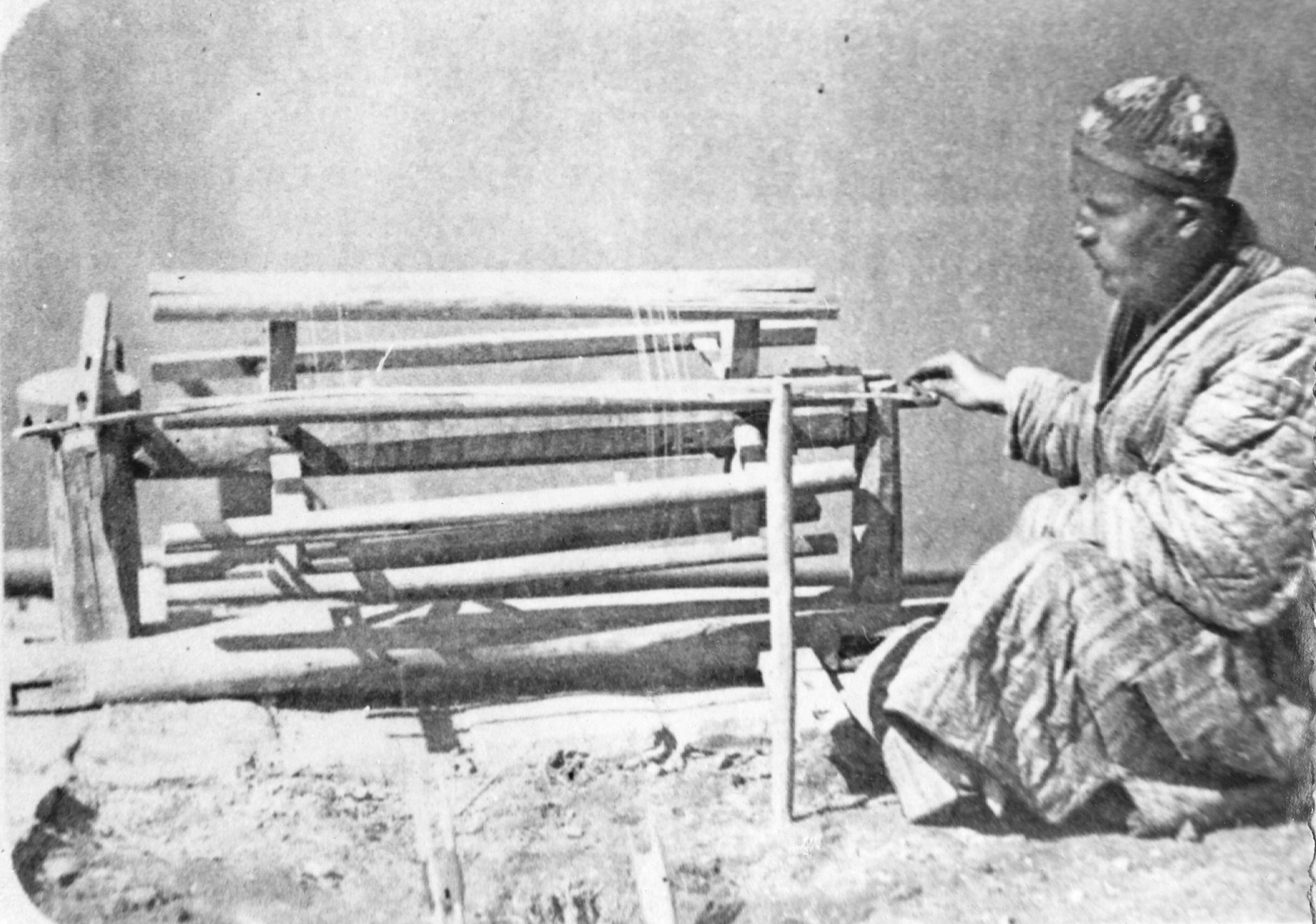
1871–1872
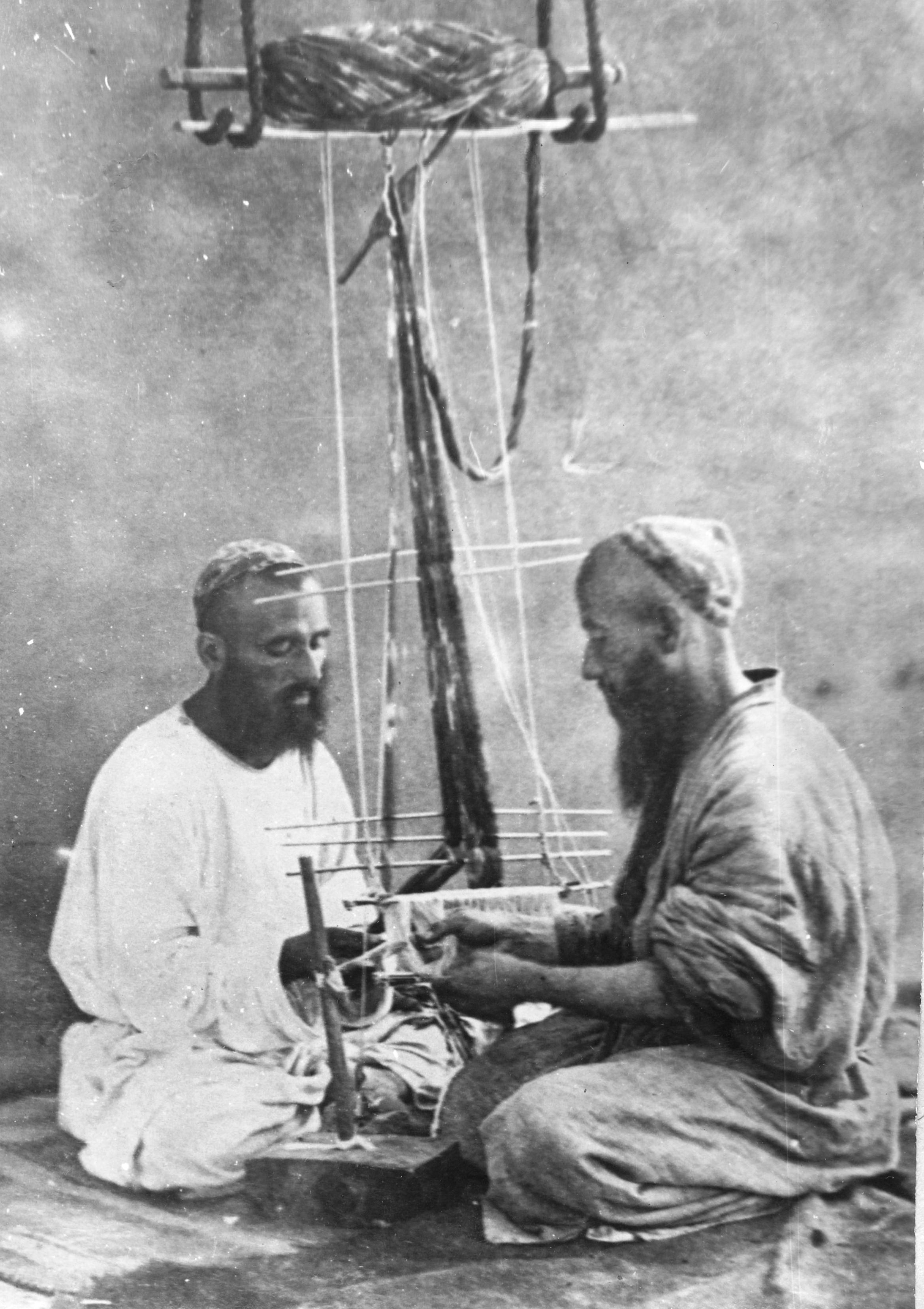
1871–1872
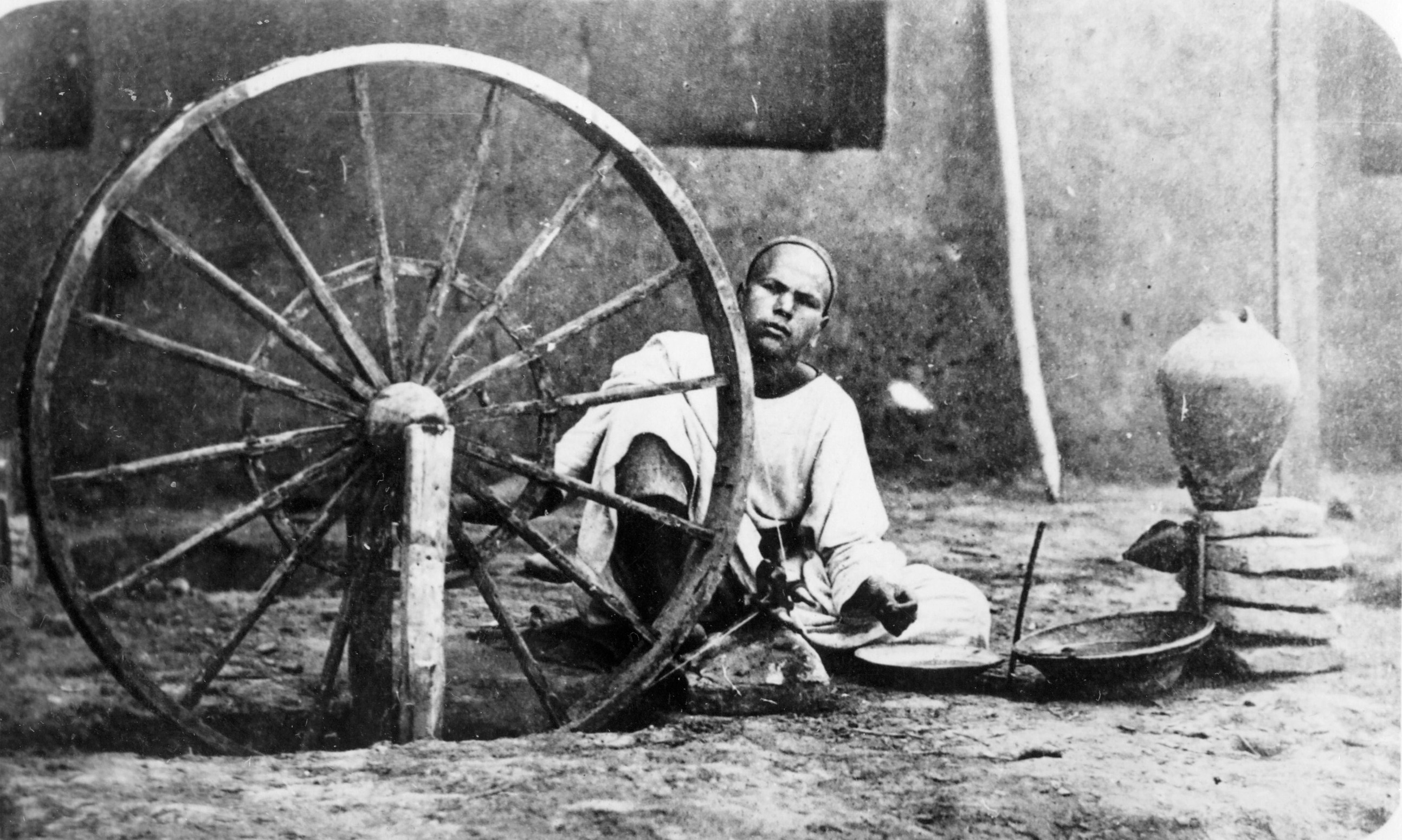
Late 19th–early 20th century
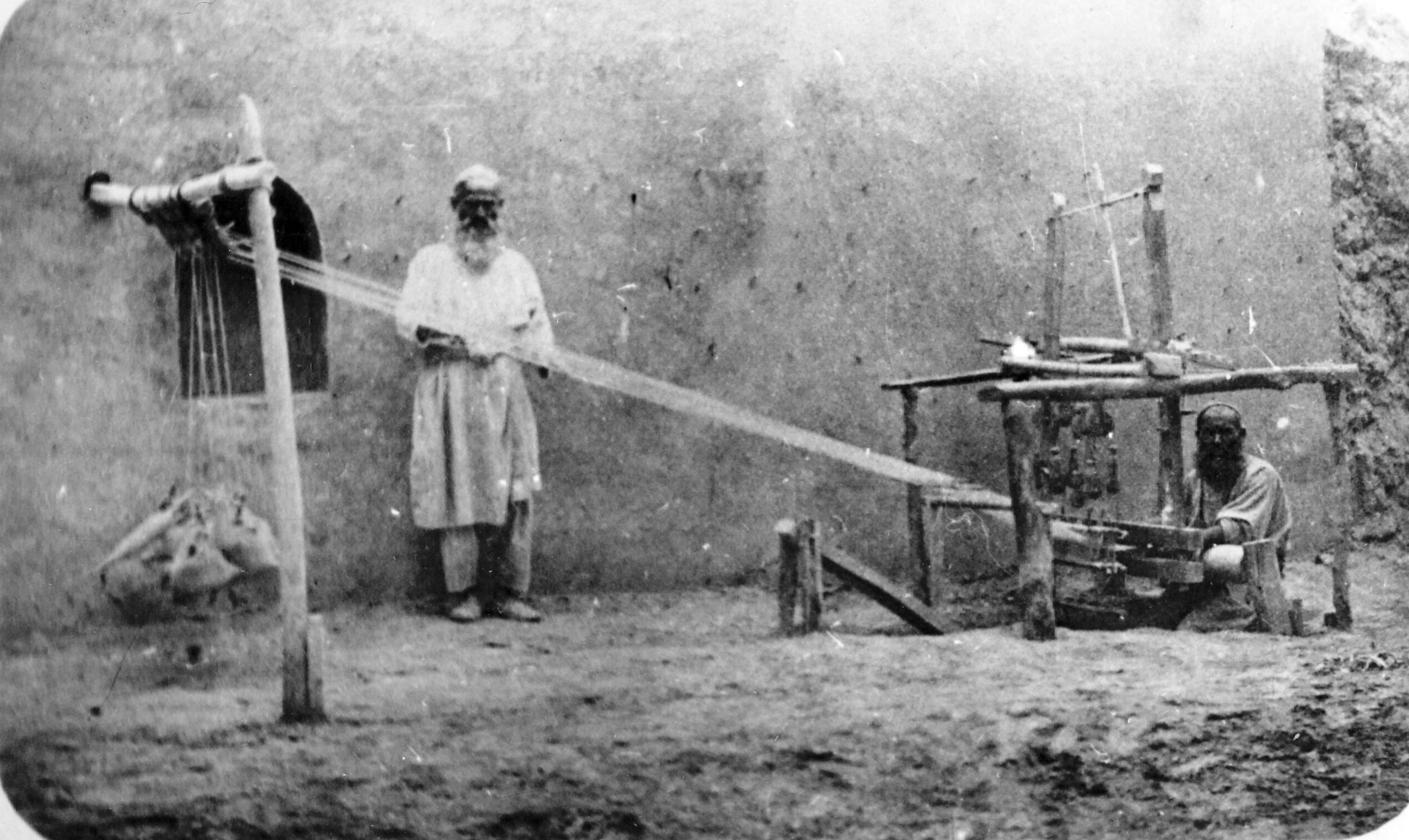
Early 20th century
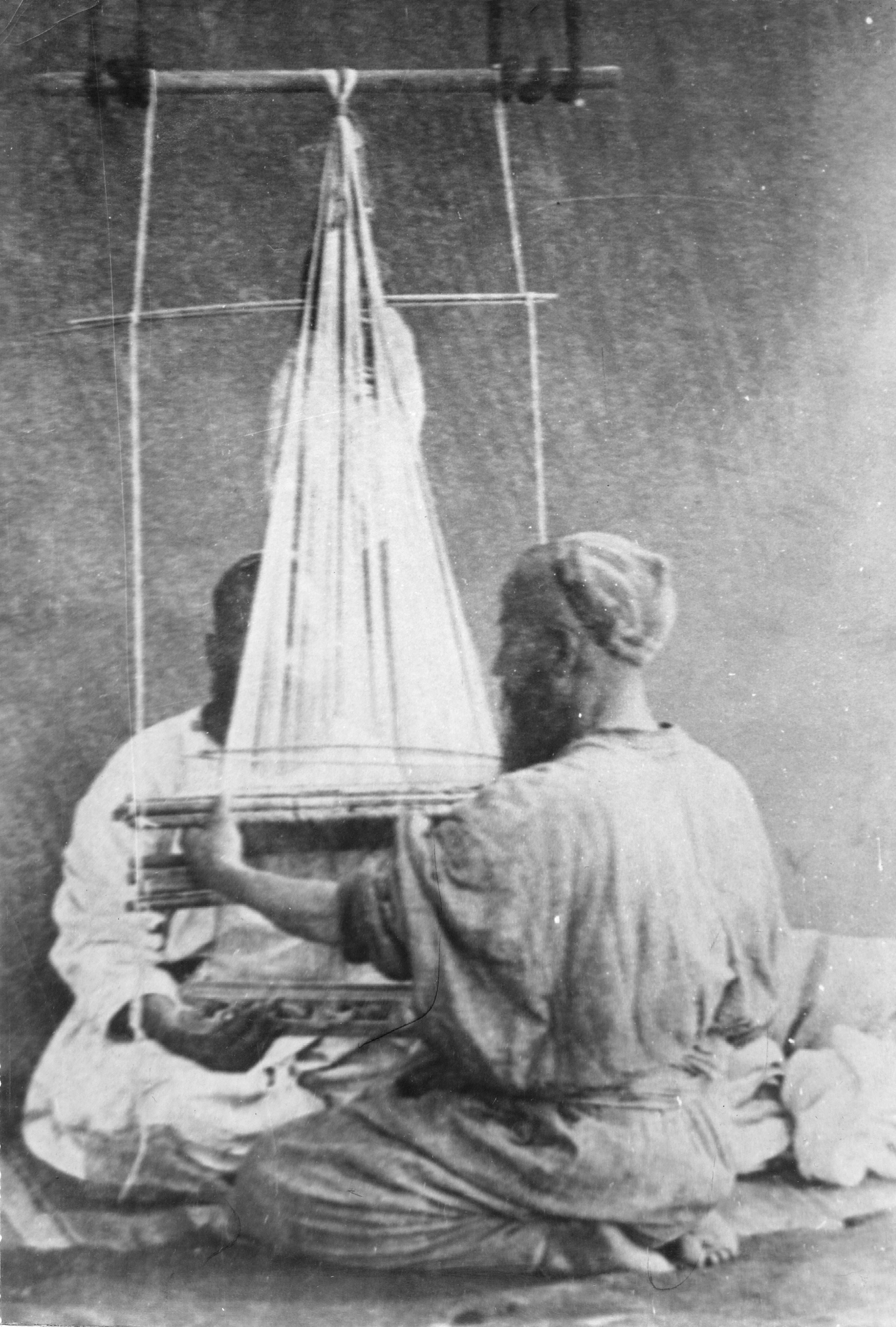
1871–1872
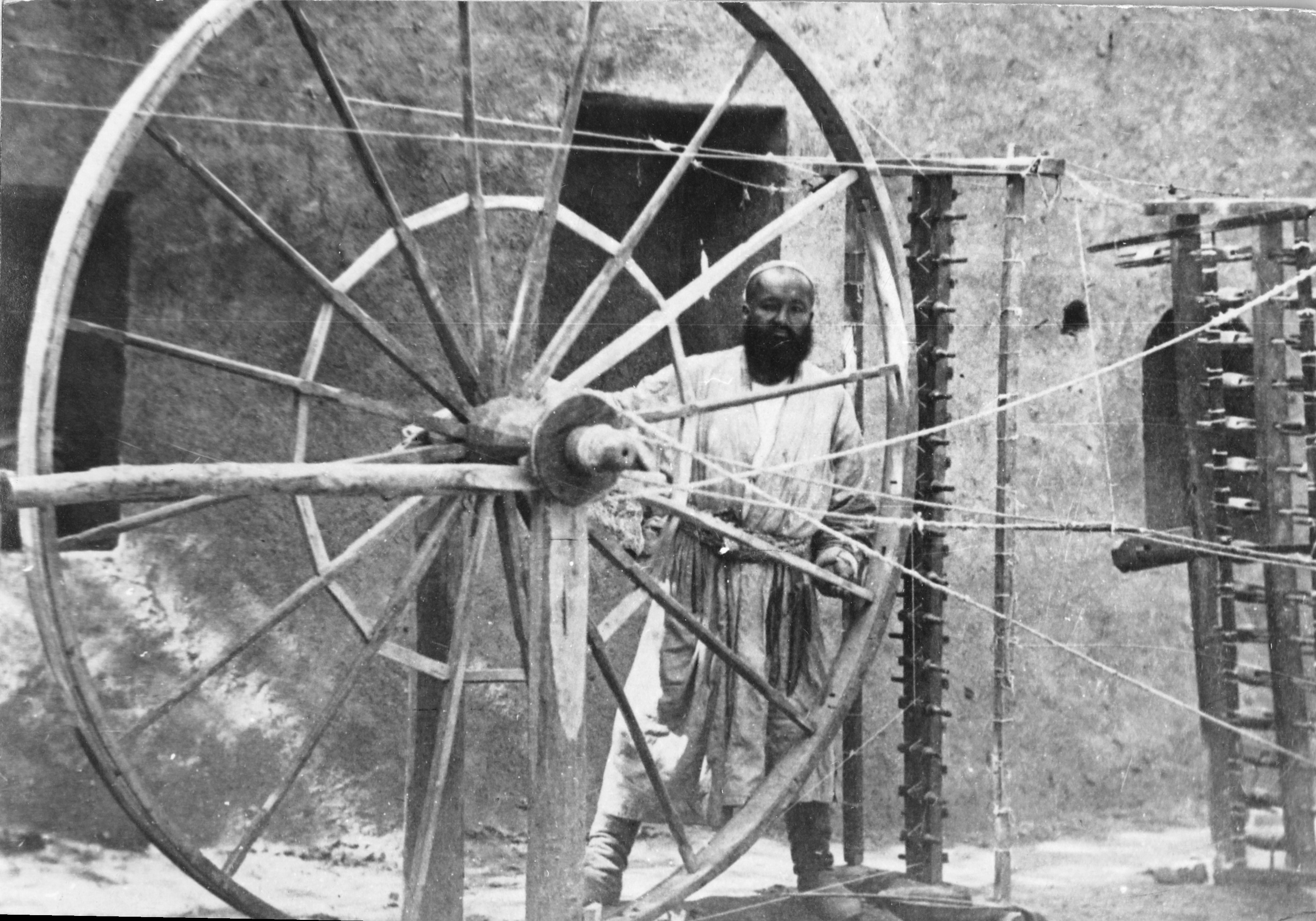
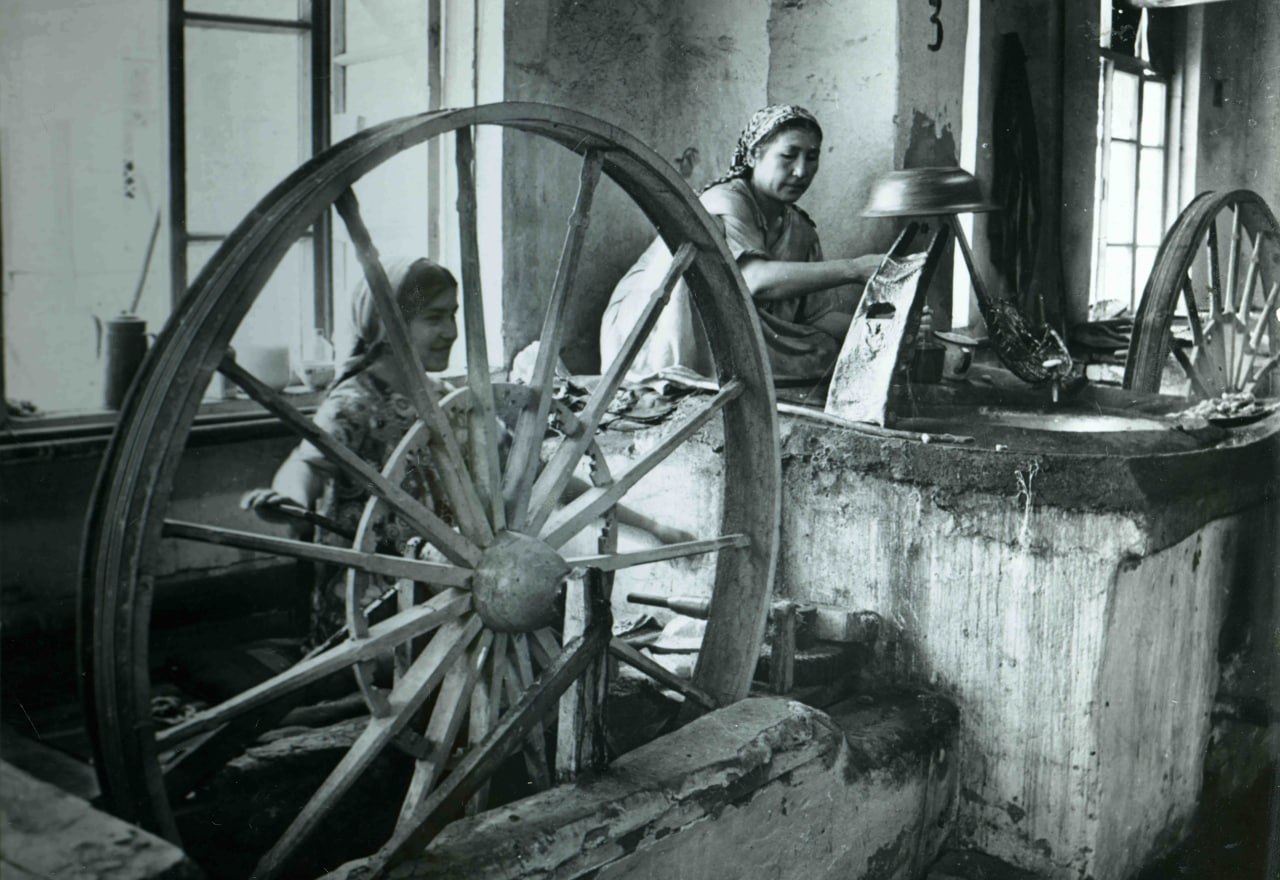
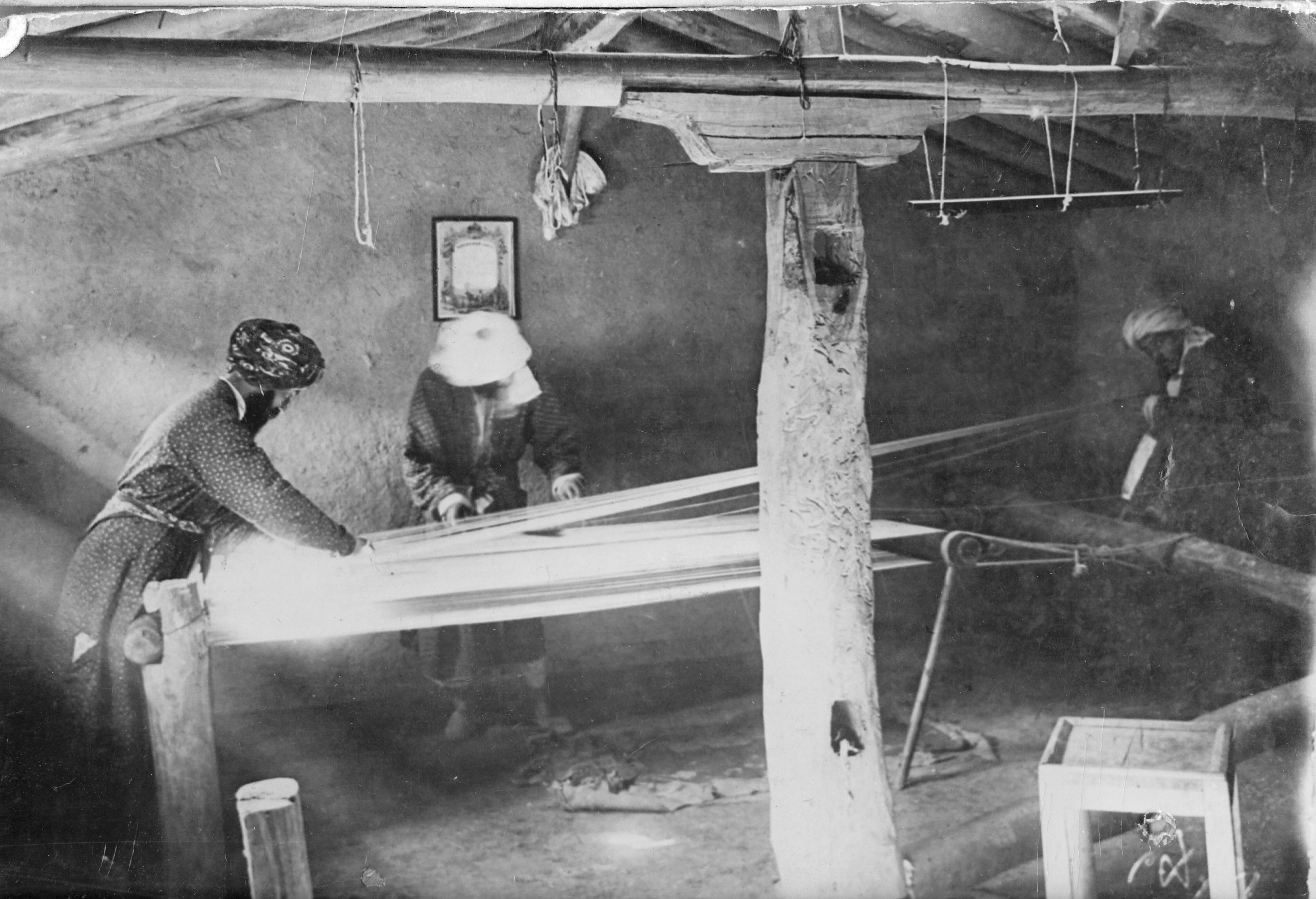
Pre-revolutionary Uzbekistan
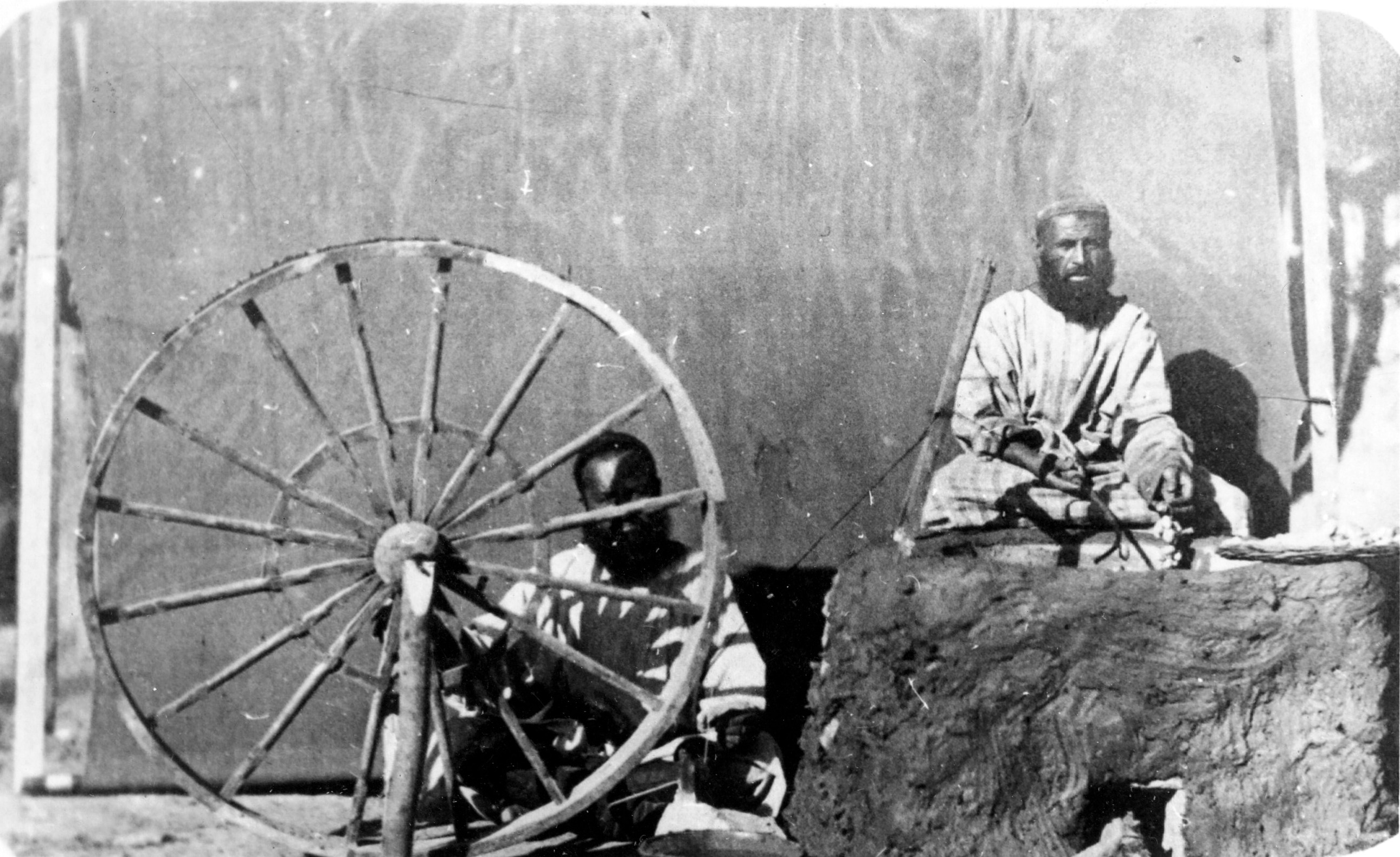
Late 19th–early 20th century
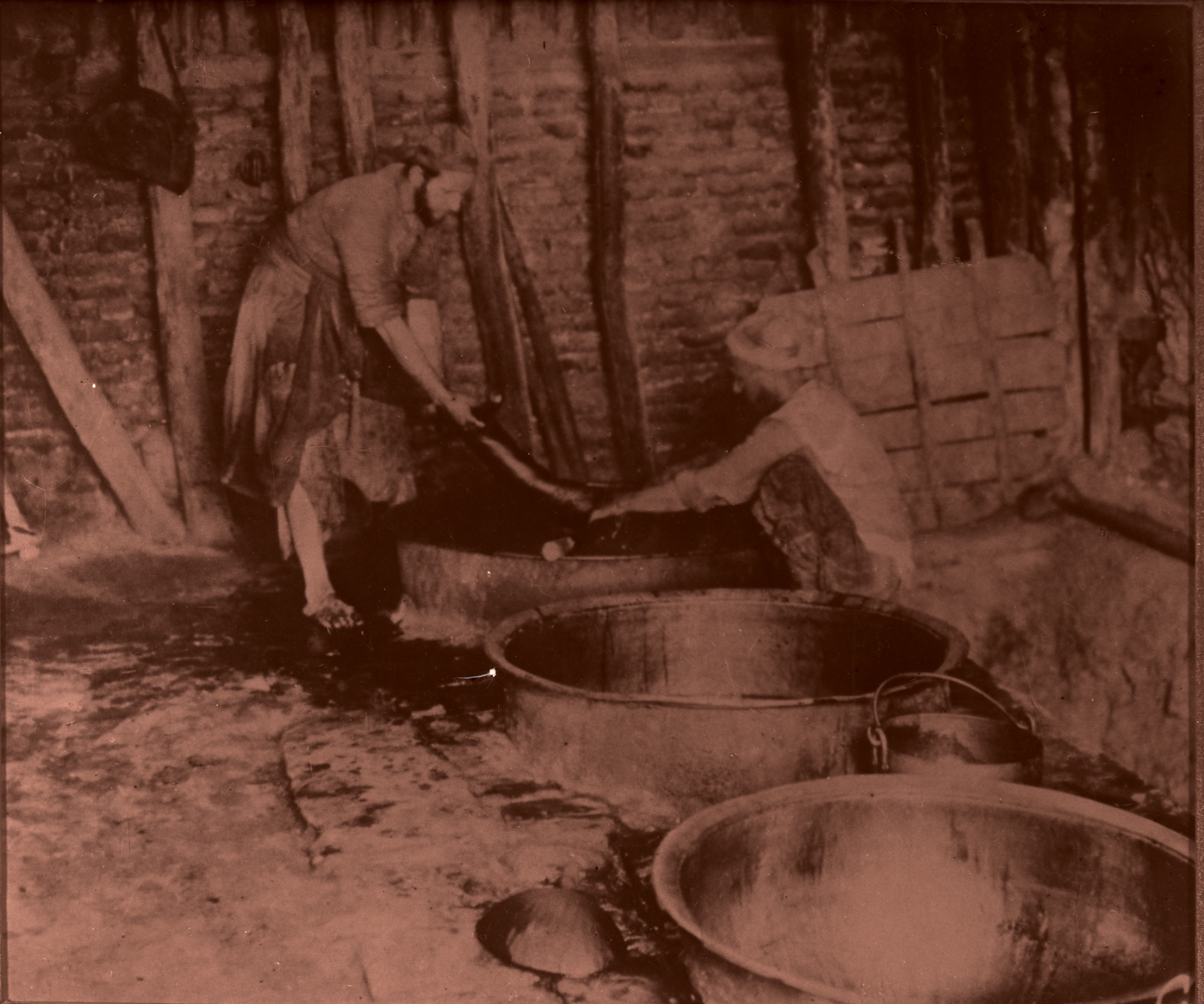
Source: Fergana City Archive
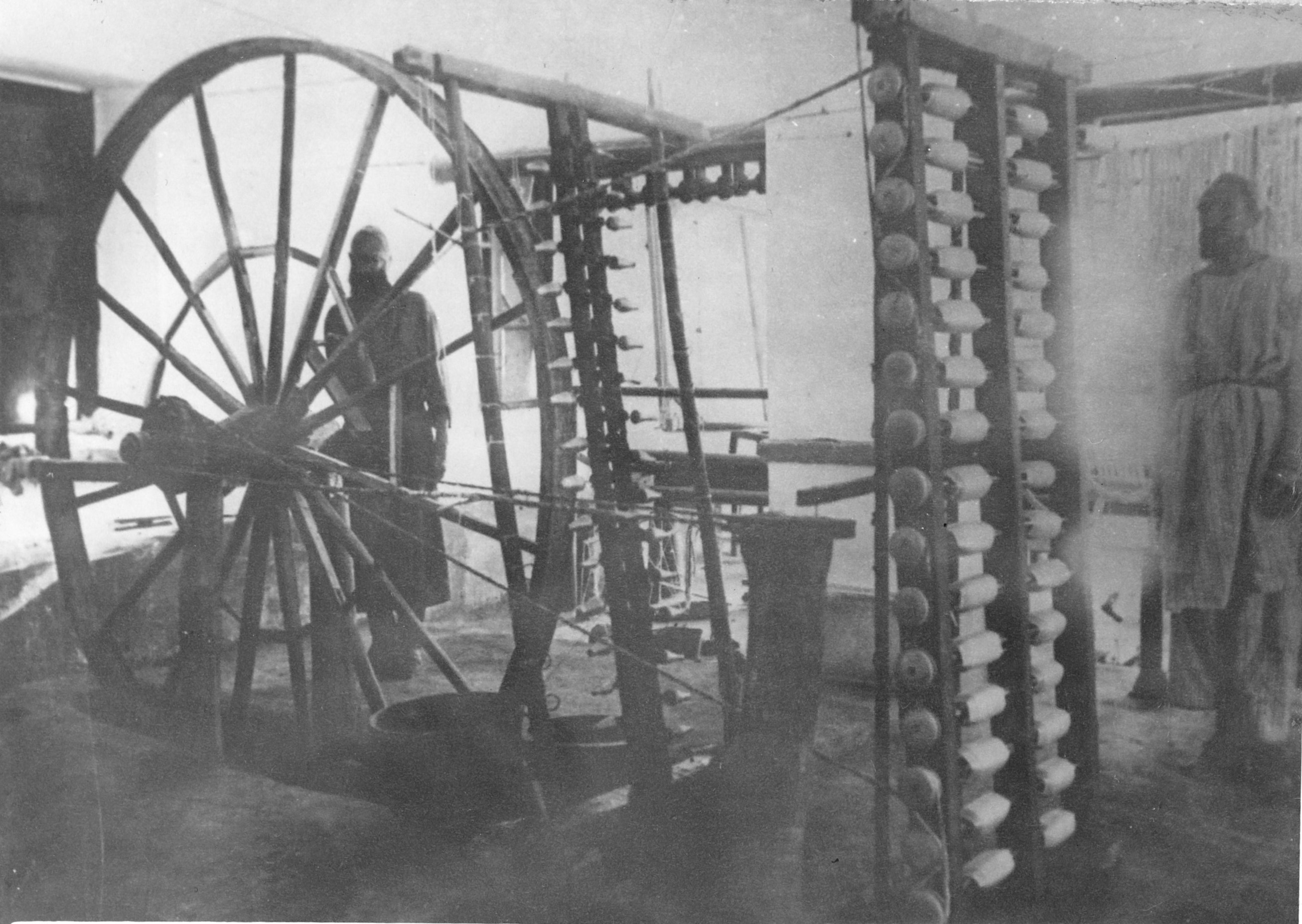
Pre-revolutionary Uzbekistan
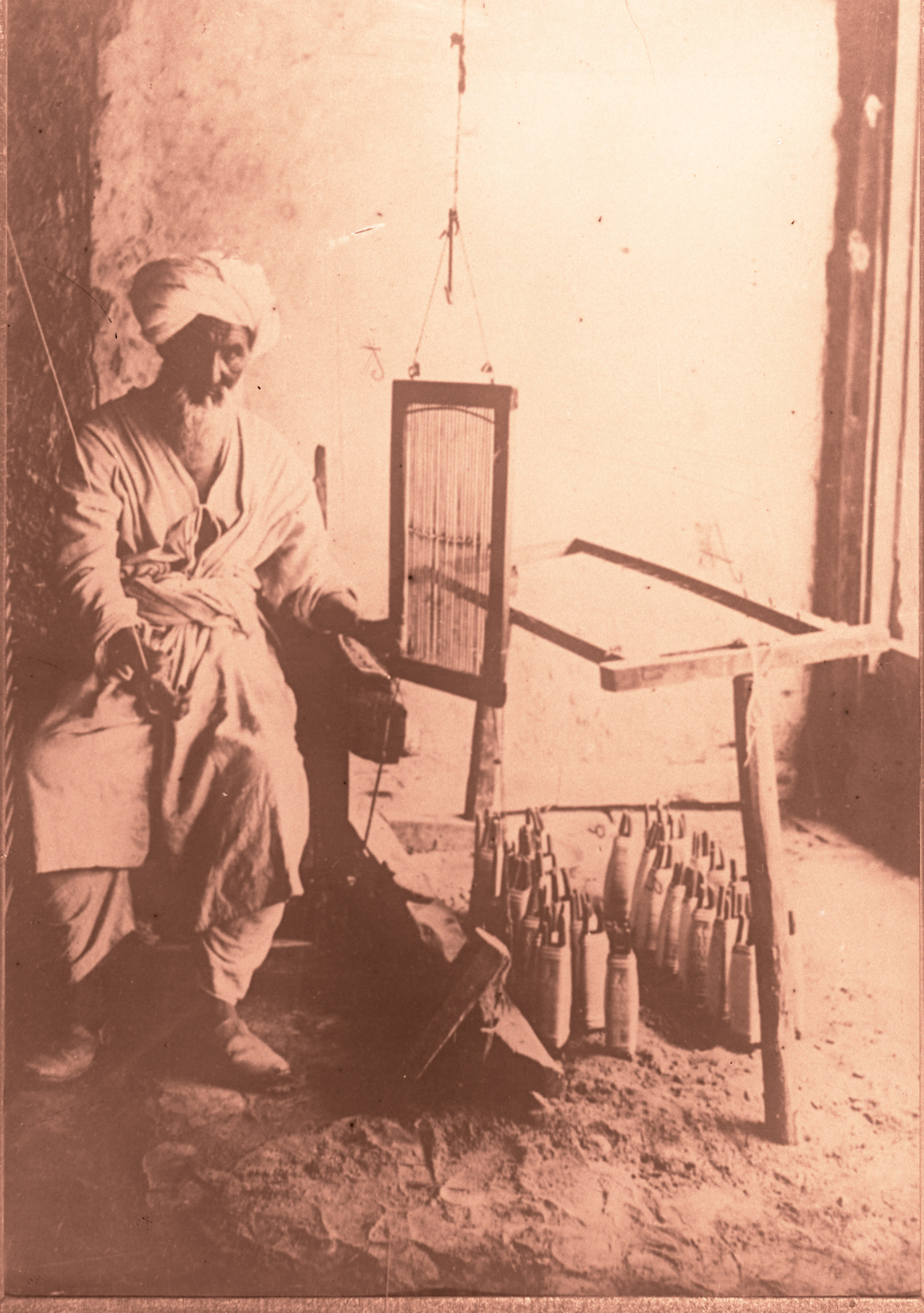
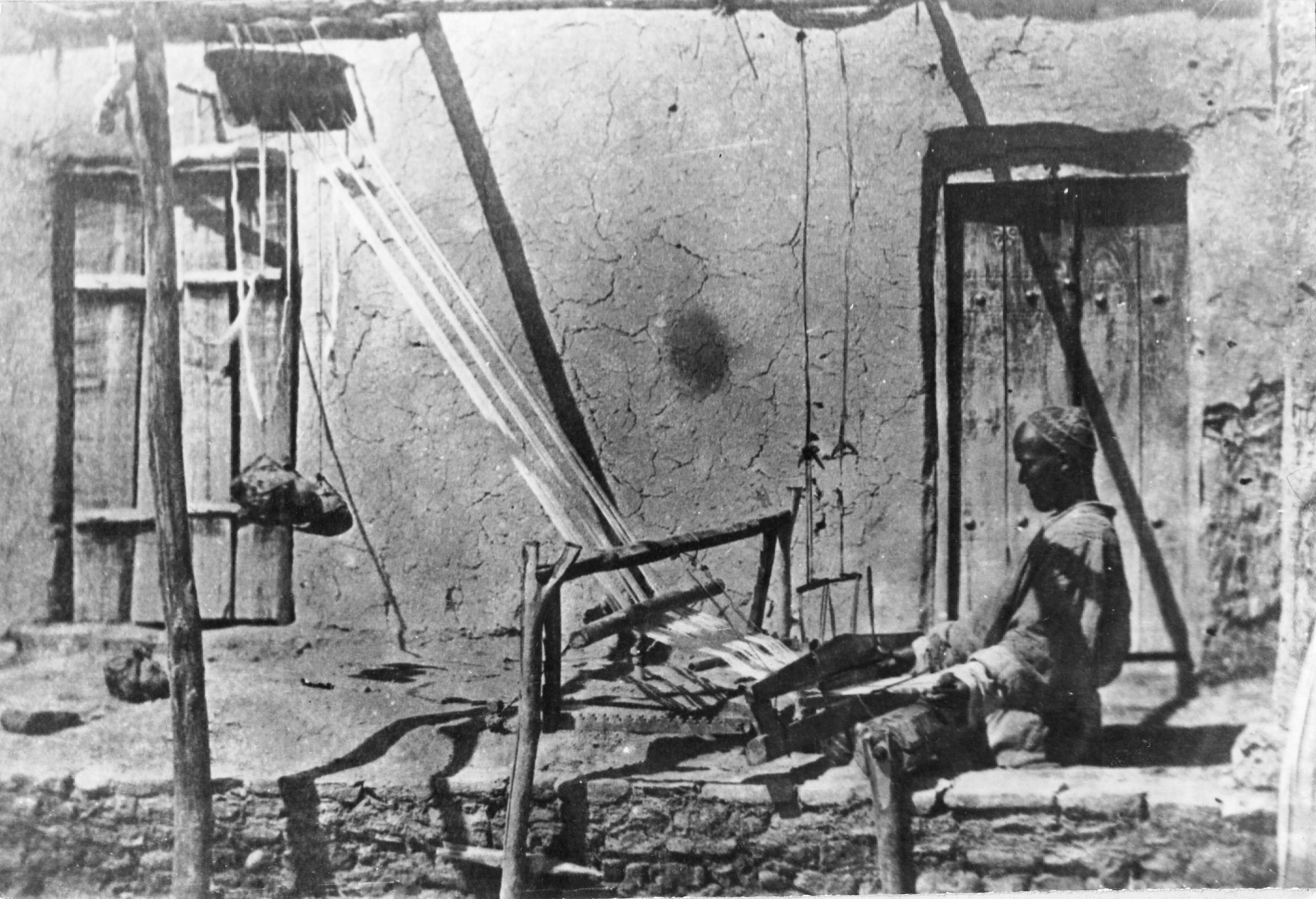
Early 20th century
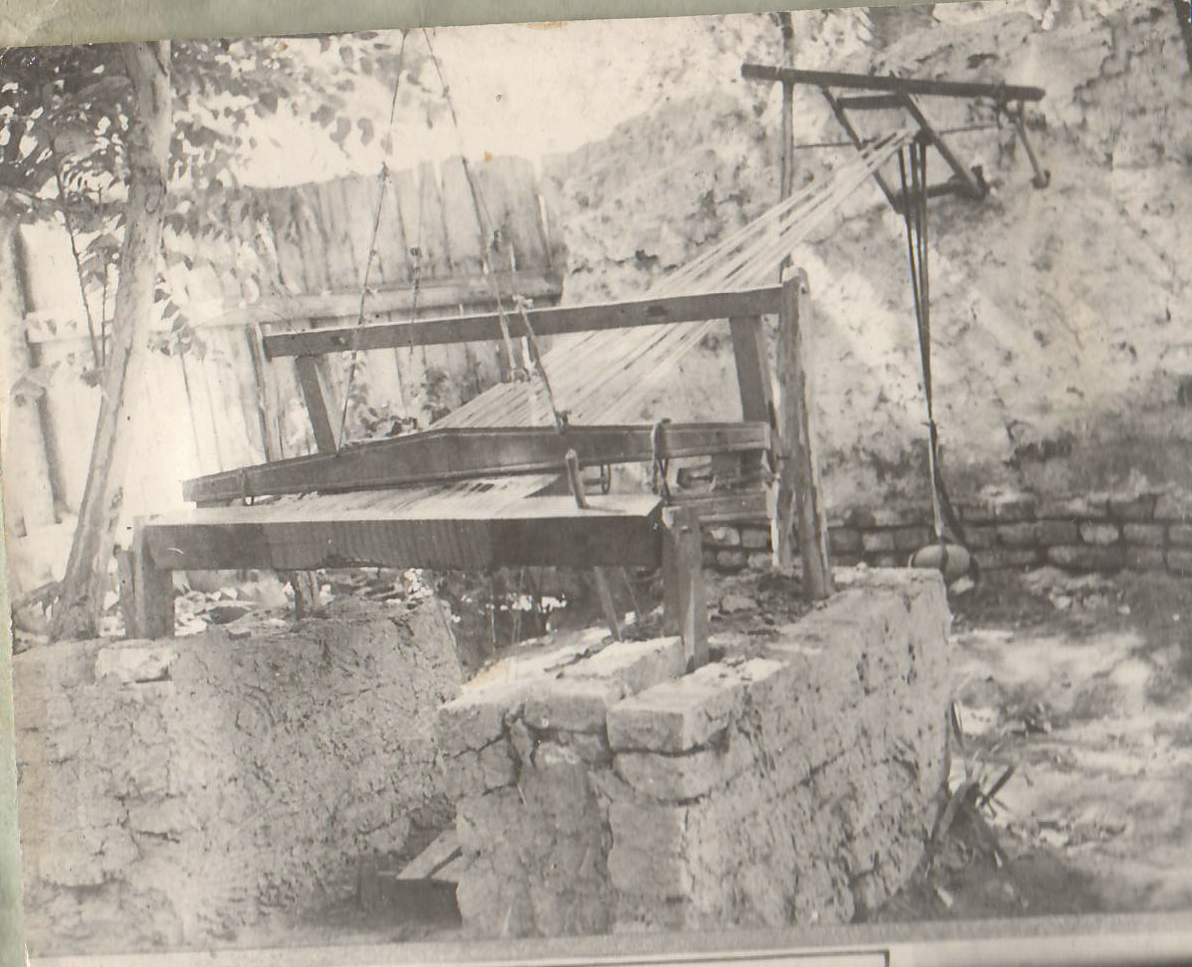
Historical costumes and clothing
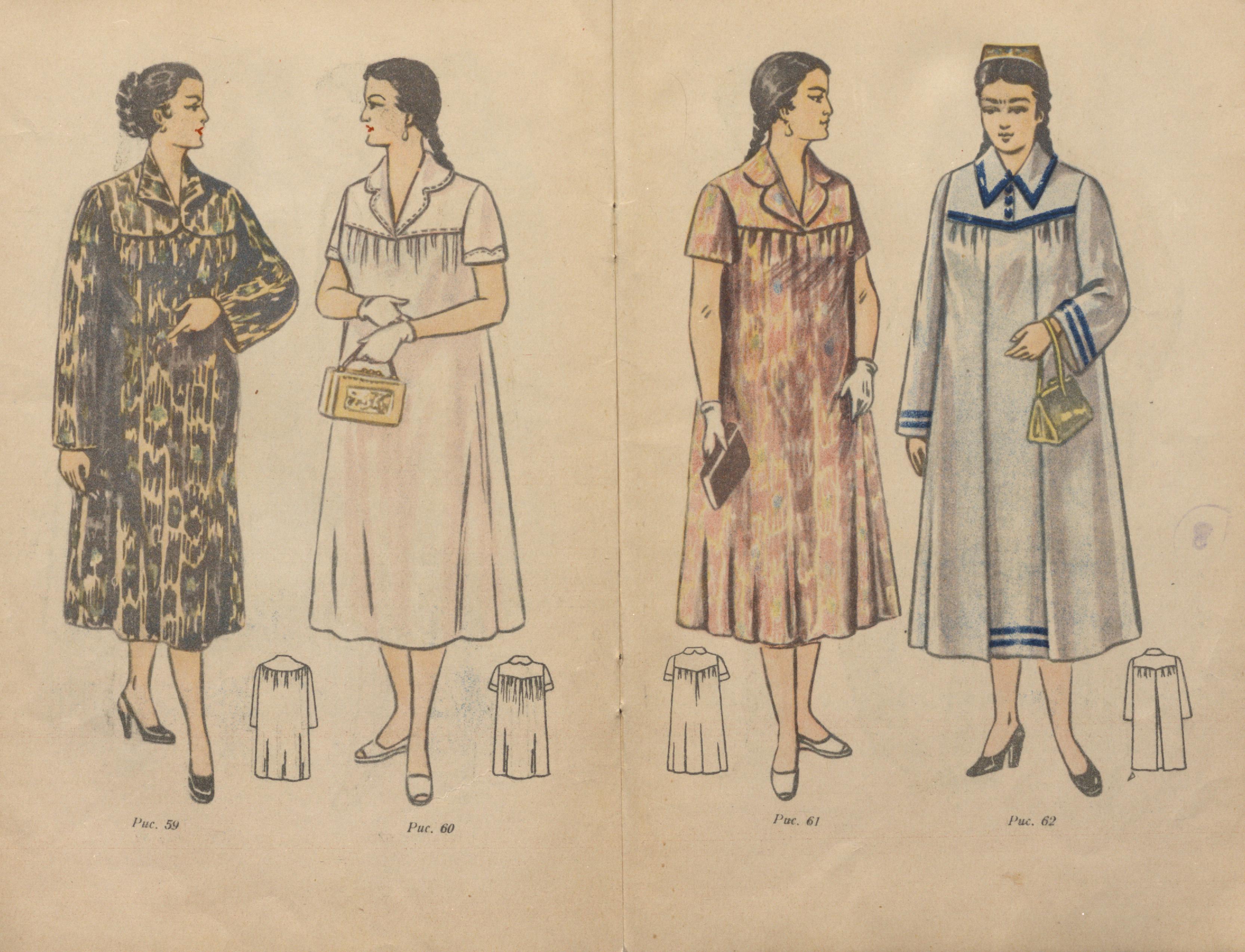
56 imagesIllustrated plates from the Album of Tajik clothing, alongside photographs of robes, dress and accessories.
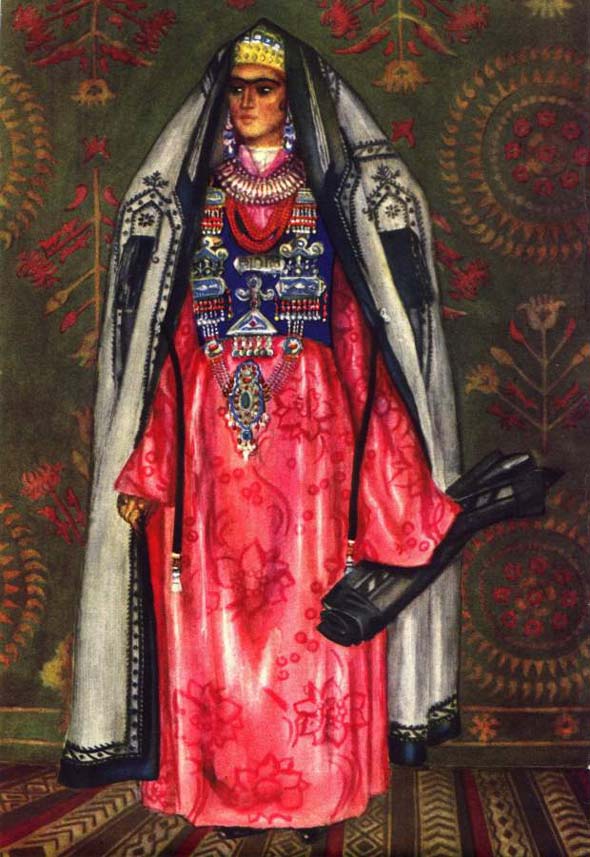
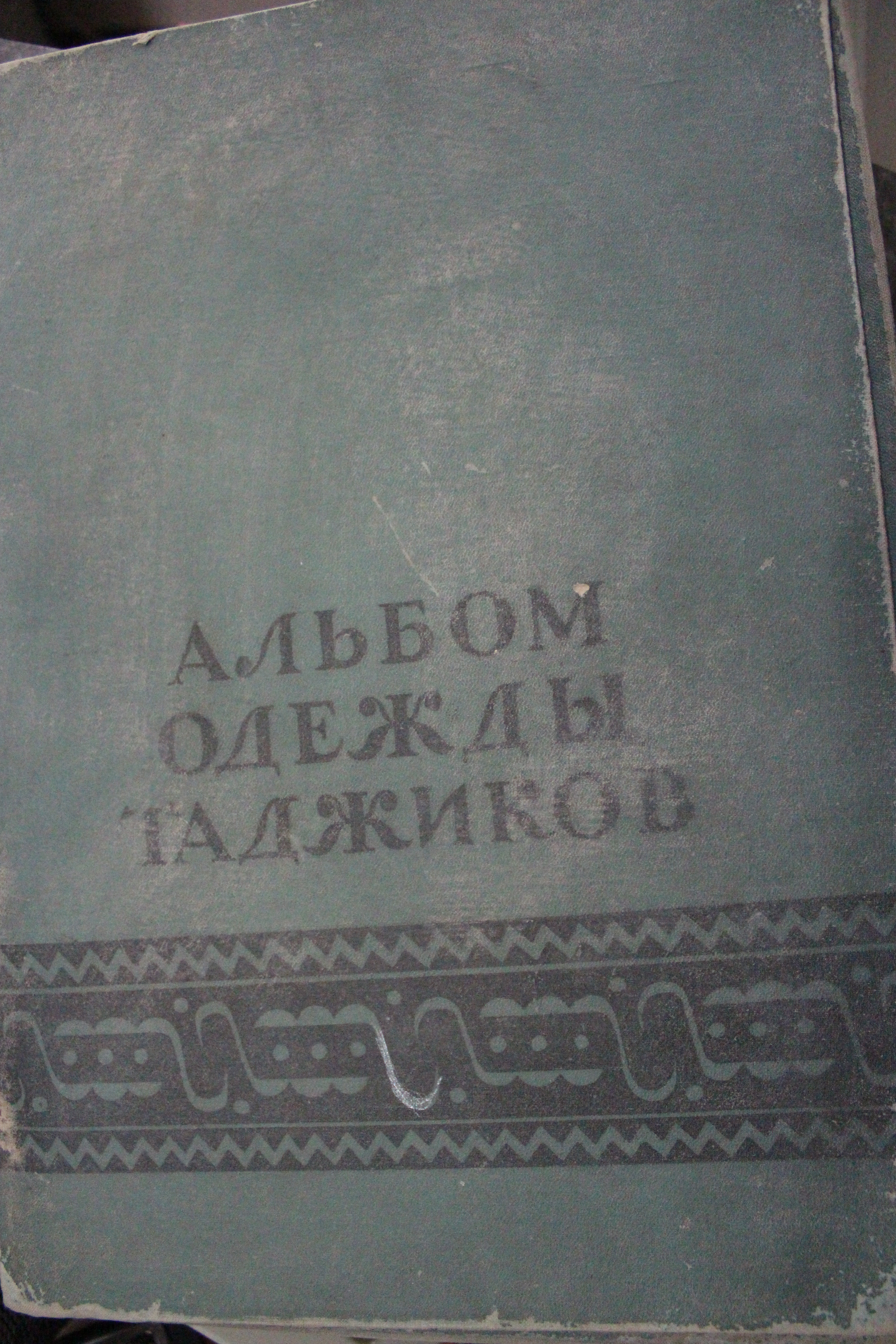
Album of Tajik clothing
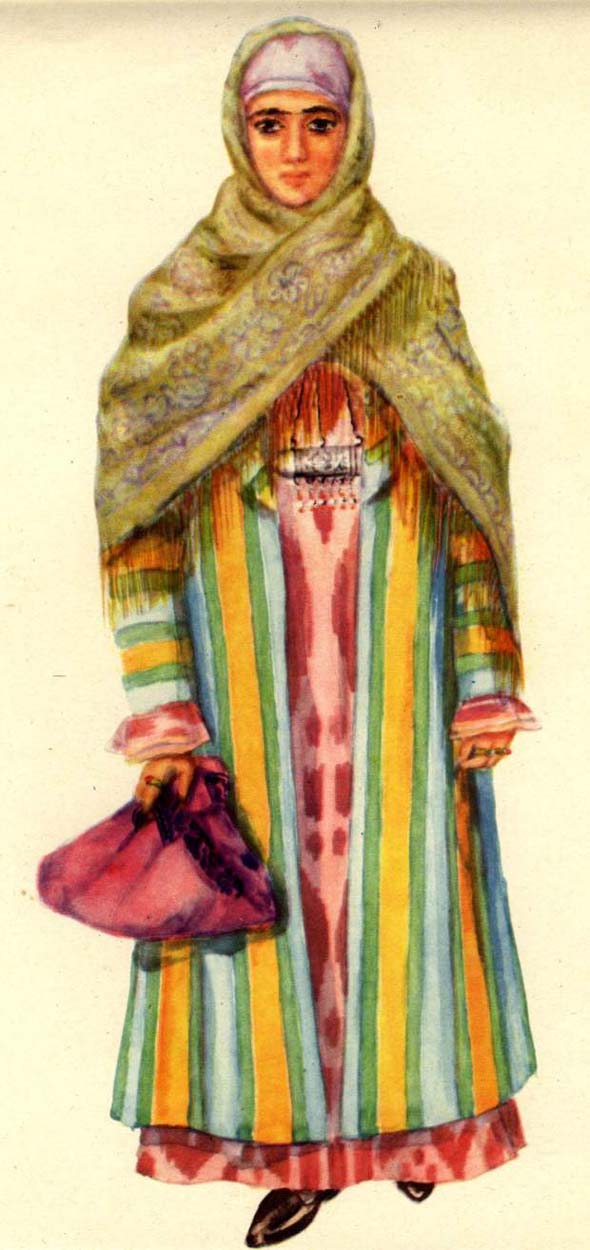
Album of Tajik clothing
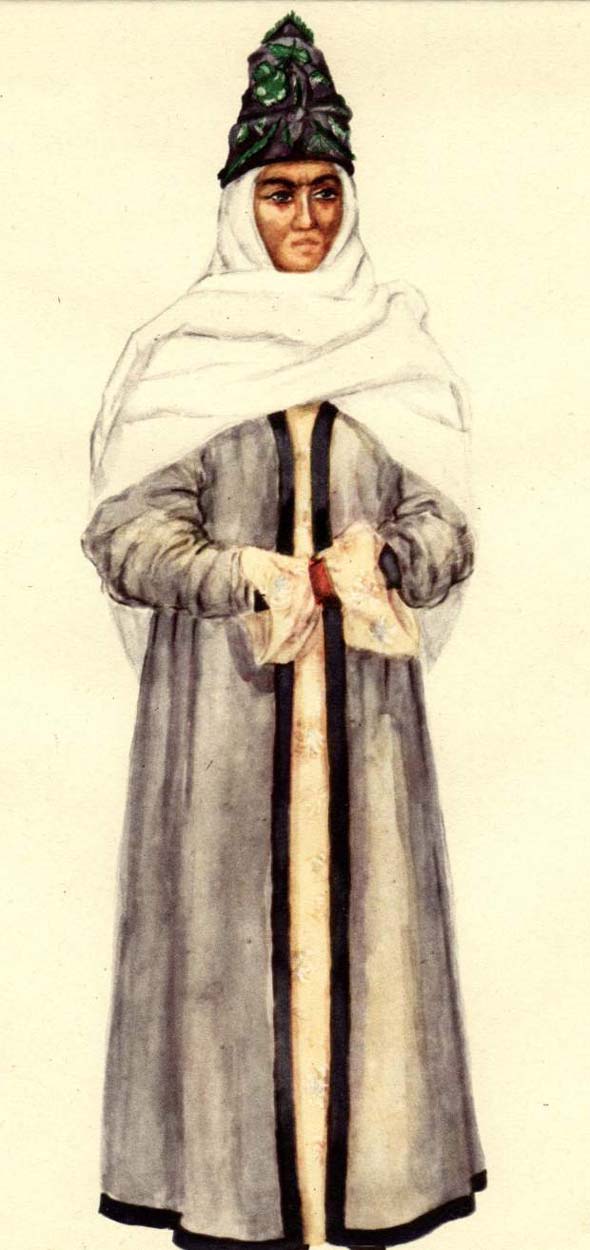
Album of Tajik clothing
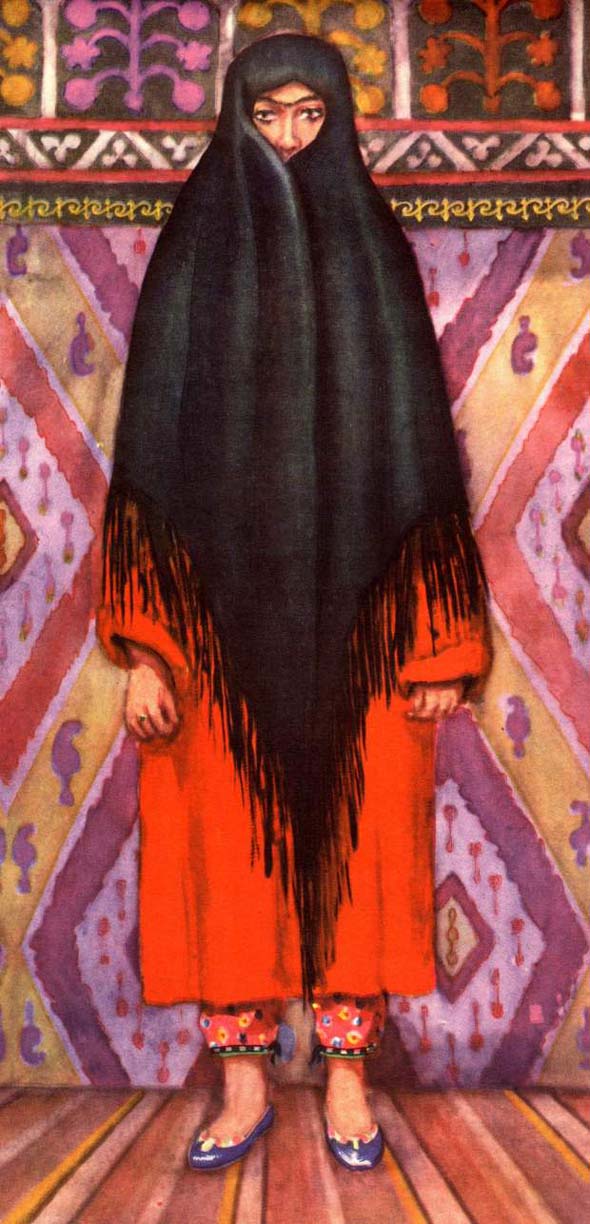
Album of Tajik clothing
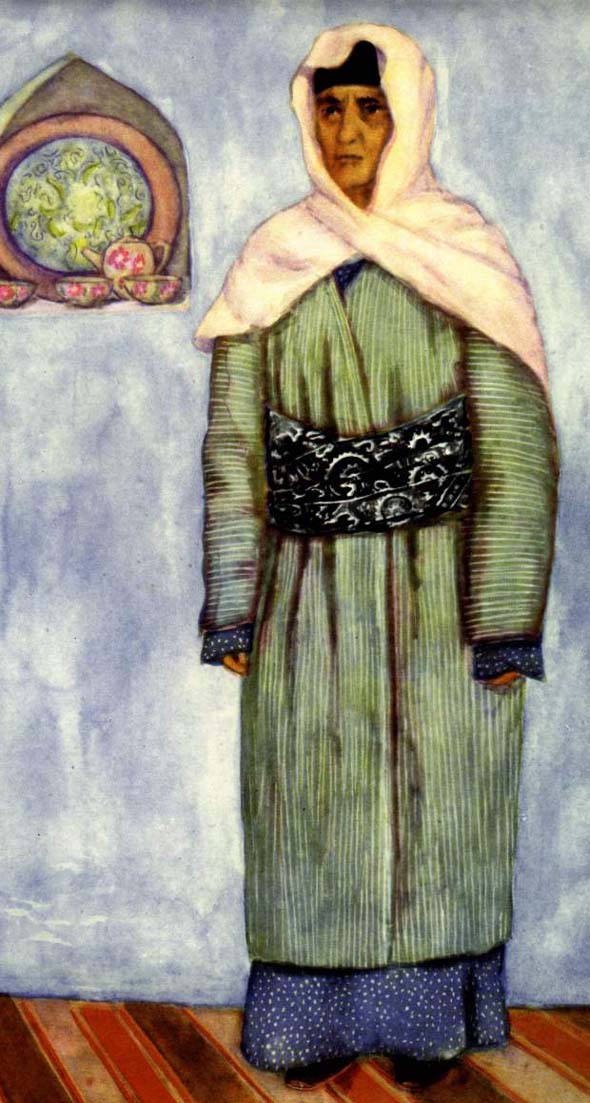
Album of Tajik clothing
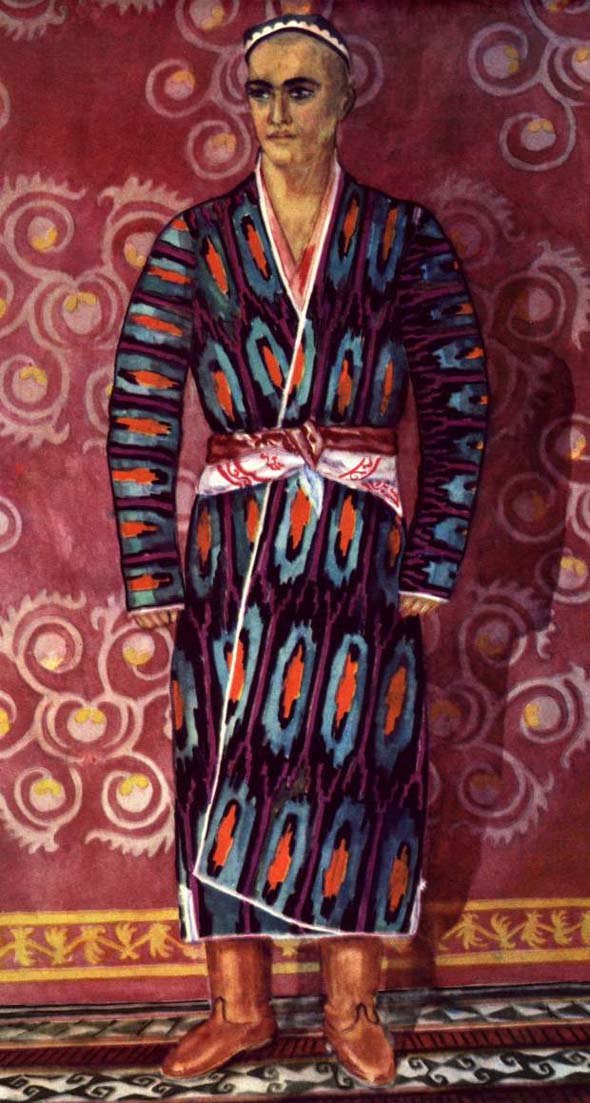
Album of Tajik clothing
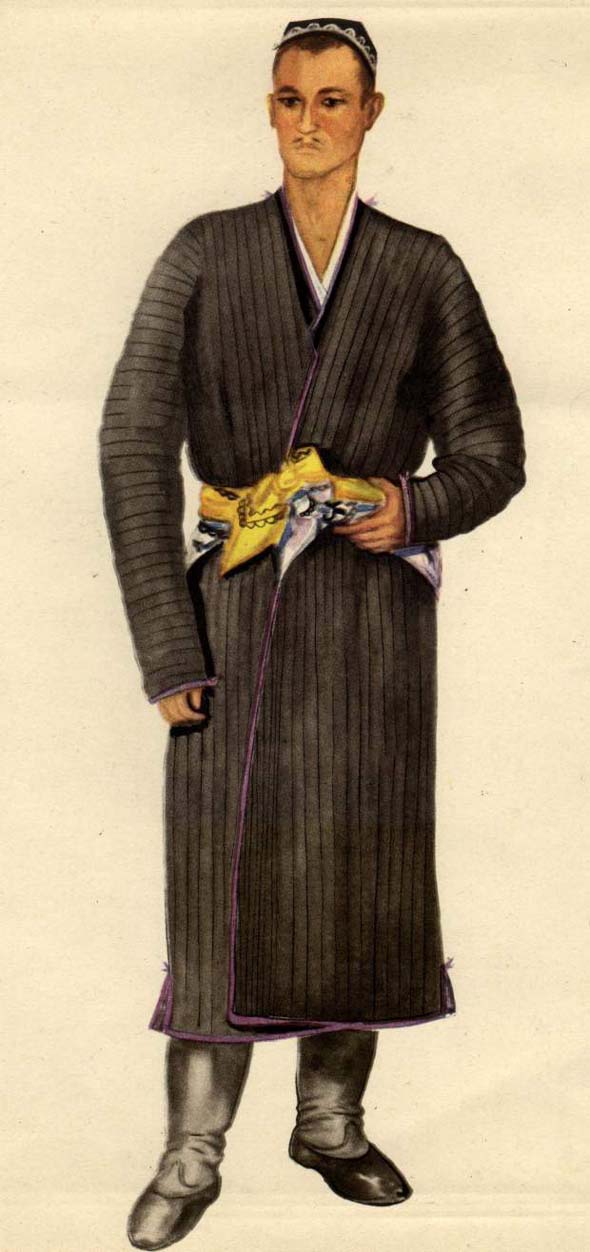
Album of Tajik clothing
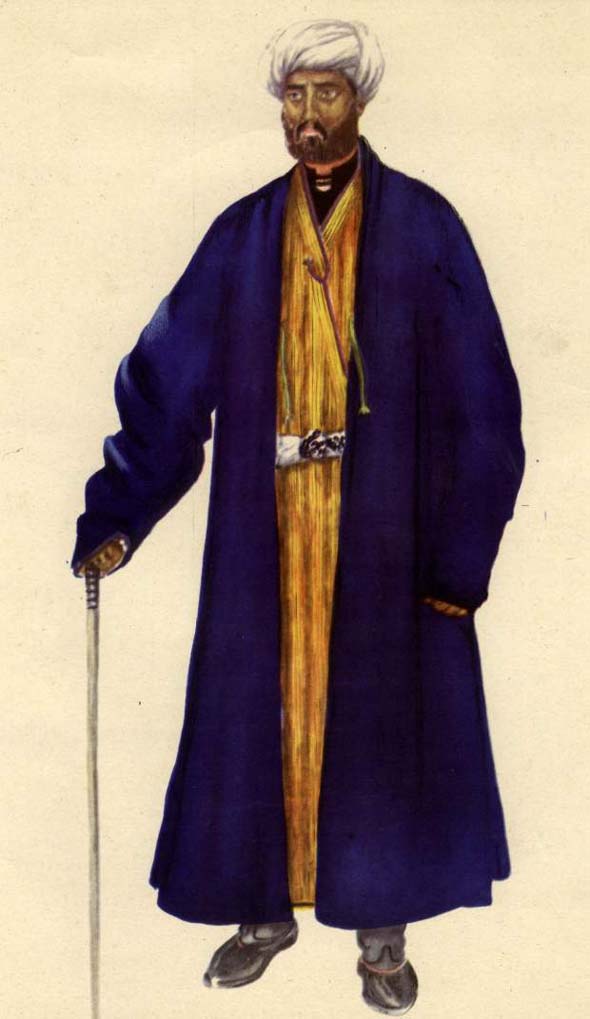
Album of Tajik clothing
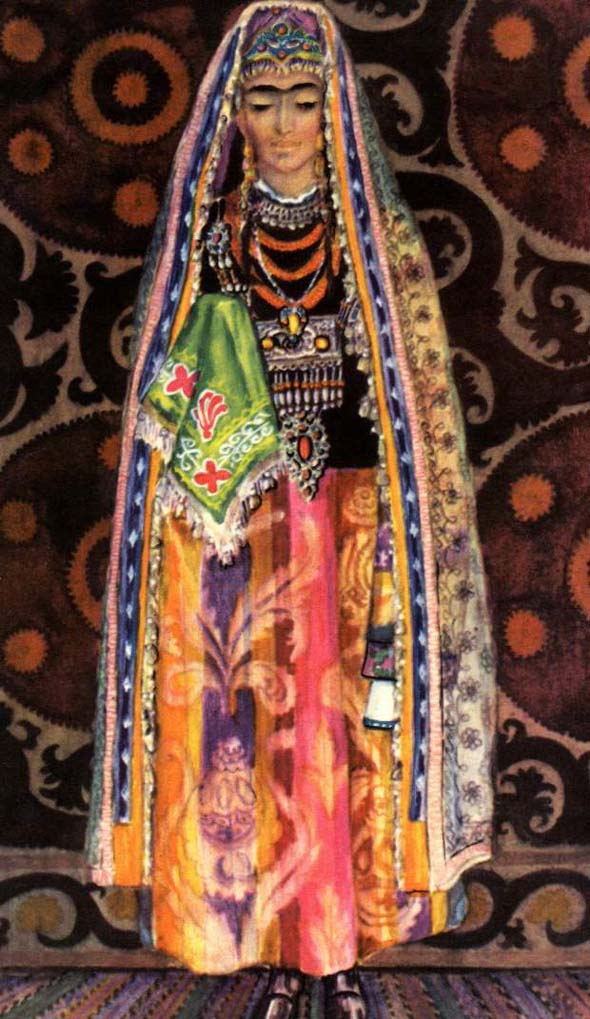
Album of Tajik clothing
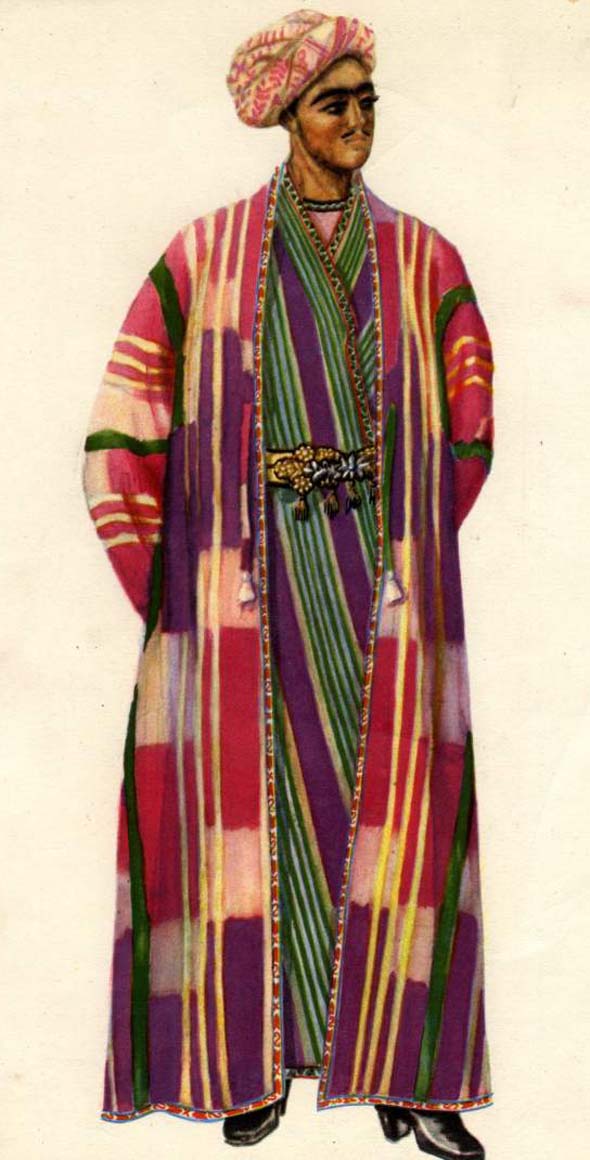
Album of Tajik clothing
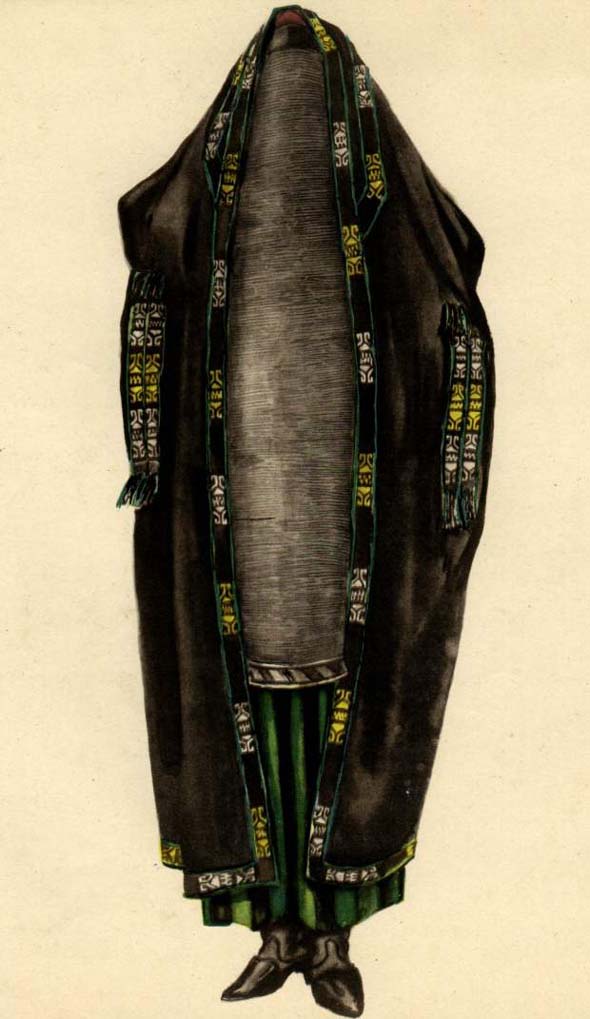
Album of Tajik clothing
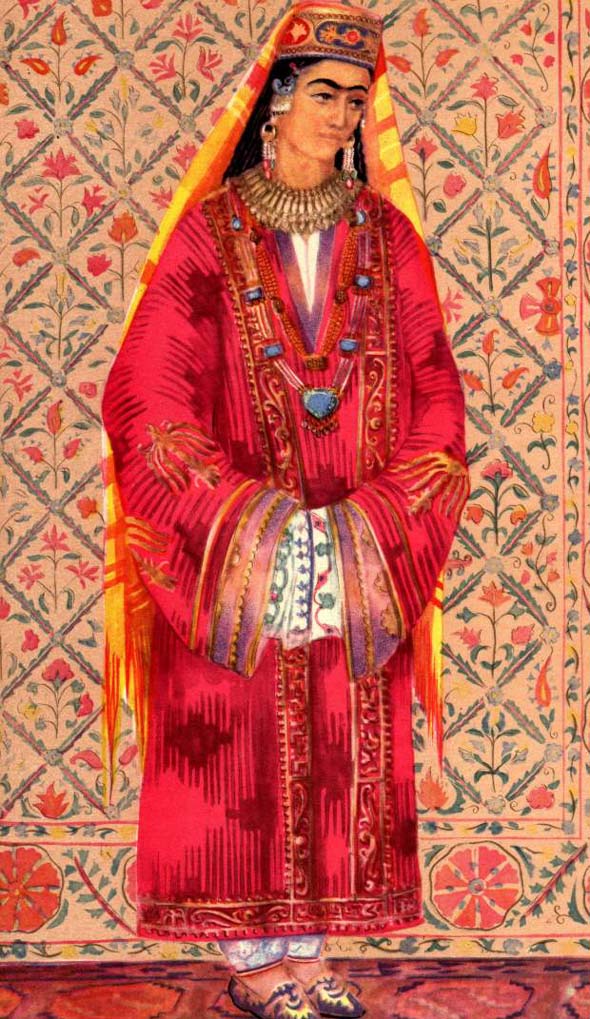
Album of Tajik clothing
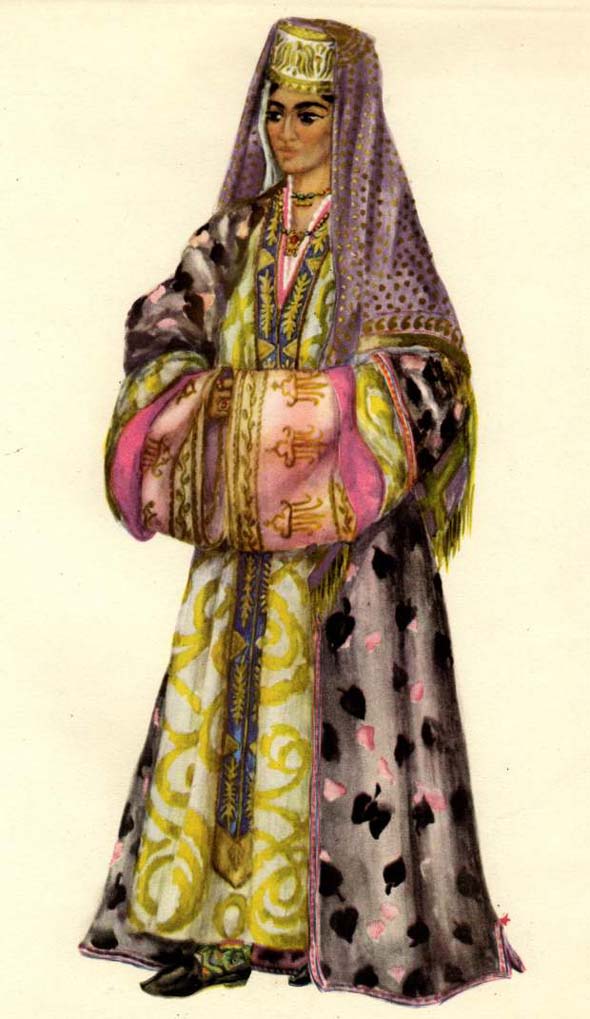
Album of Tajik clothing
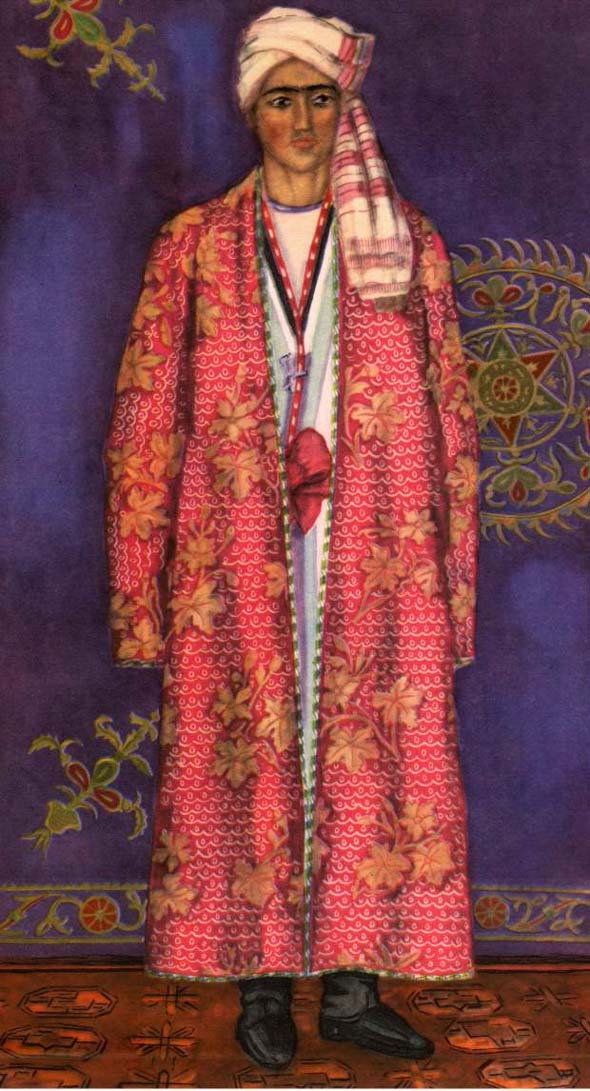
Album of Tajik clothing
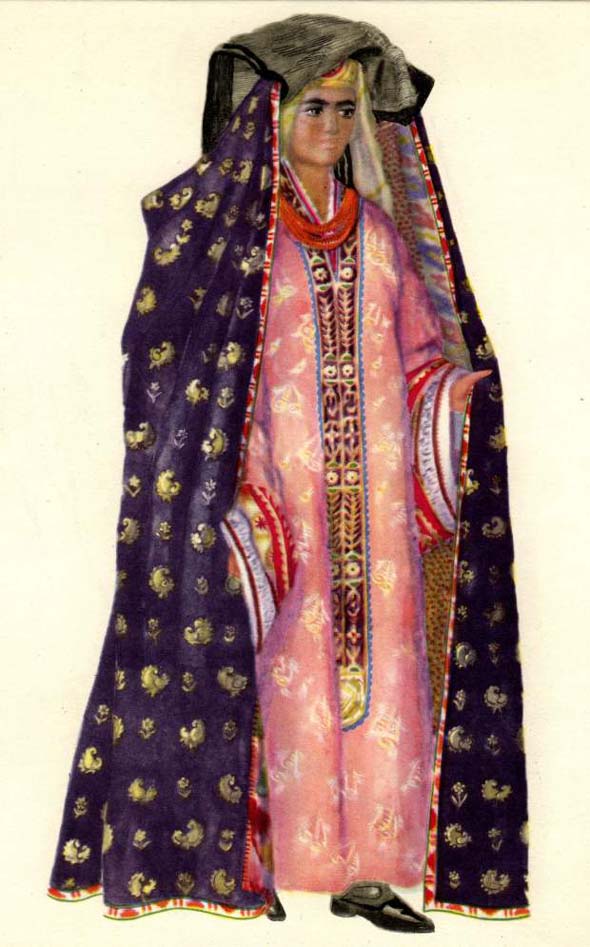
Album of Tajik clothing
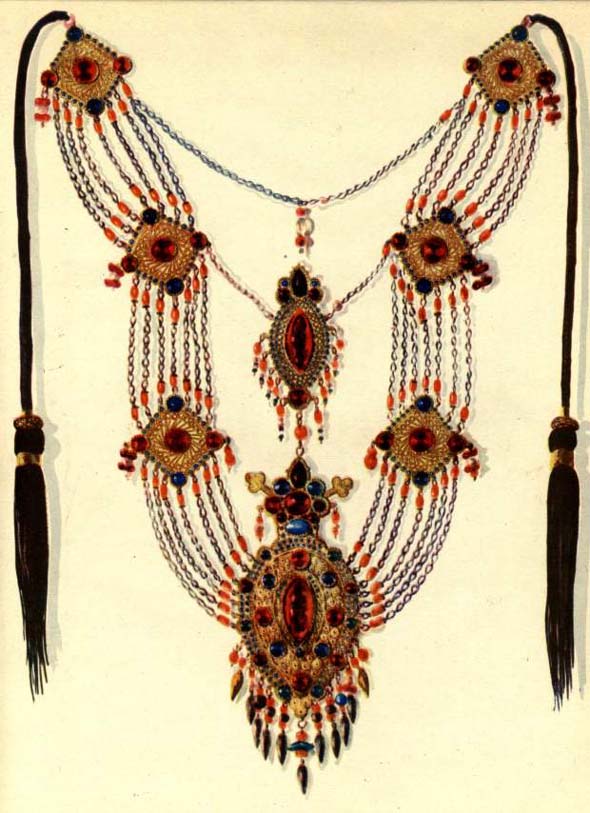
Album of Tajik clothing
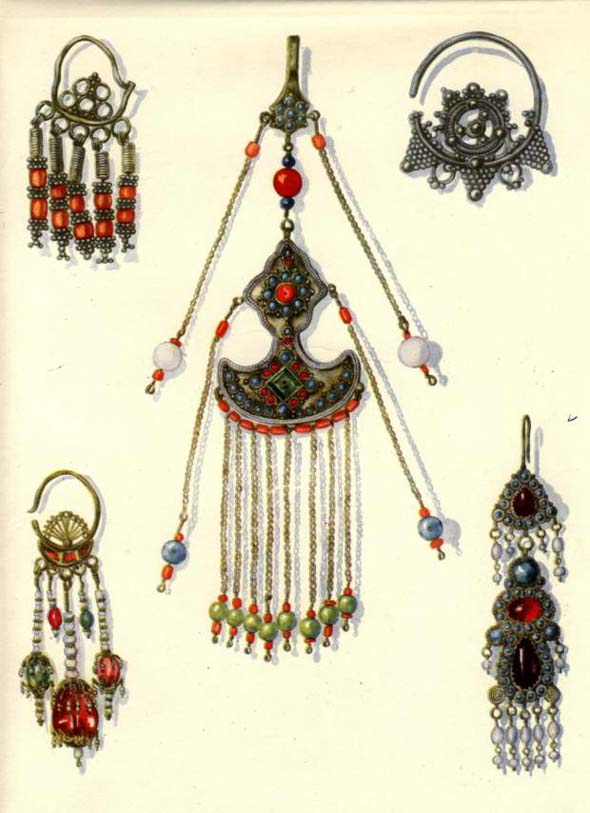
Album of Tajik clothing
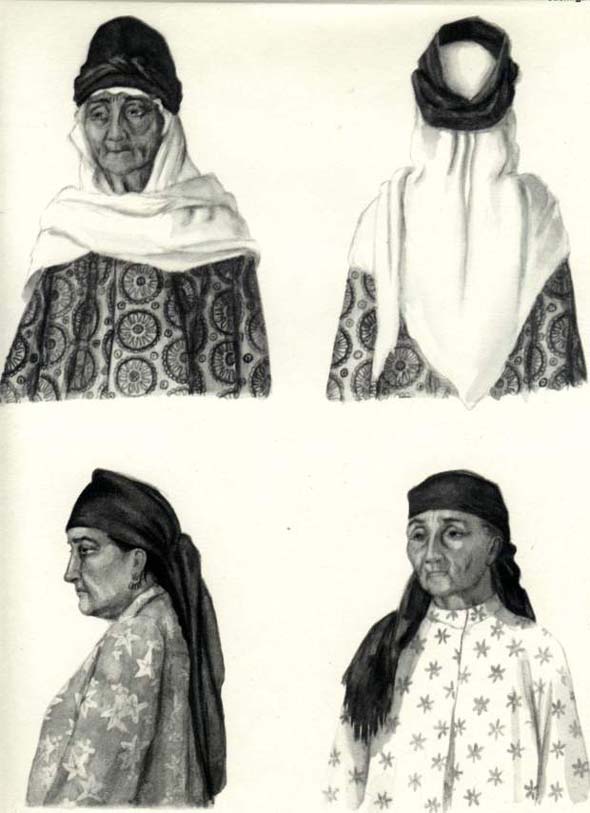
Album of Tajik clothing
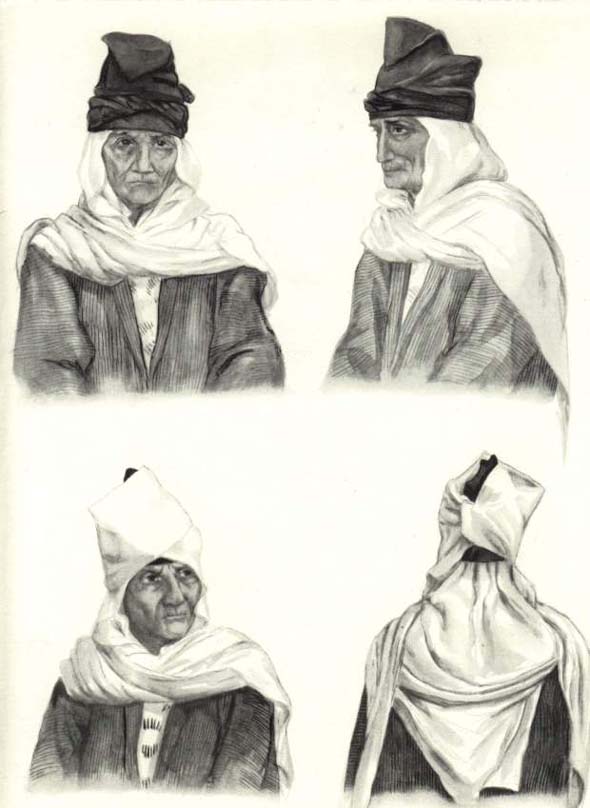
Album of Tajik clothing
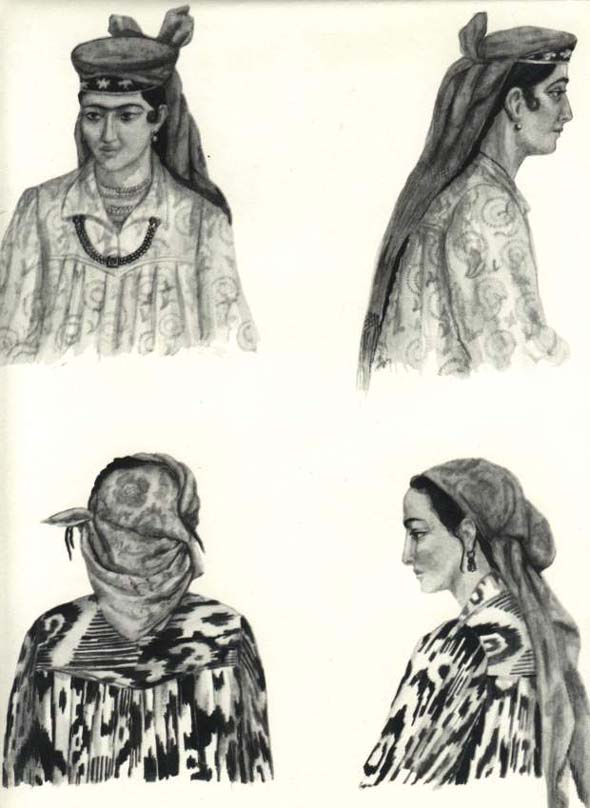
Album of Tajik clothing
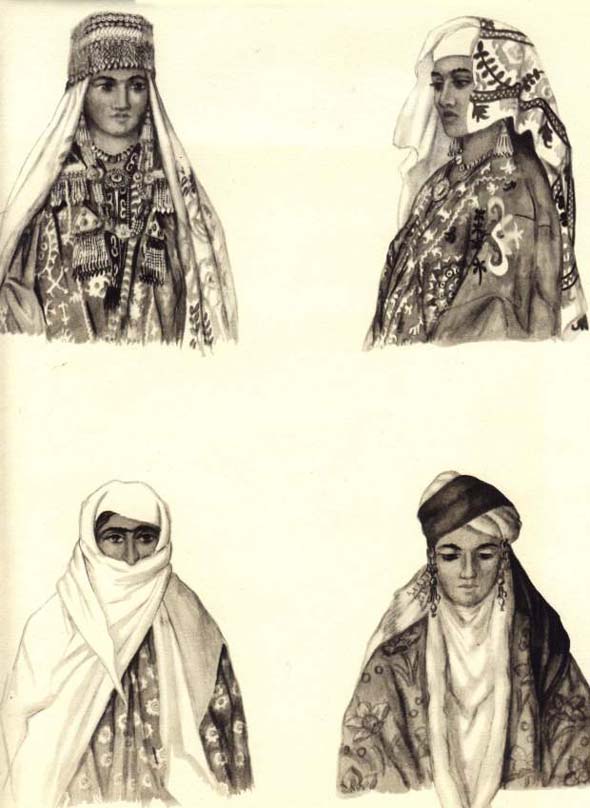
Album of Tajik clothing
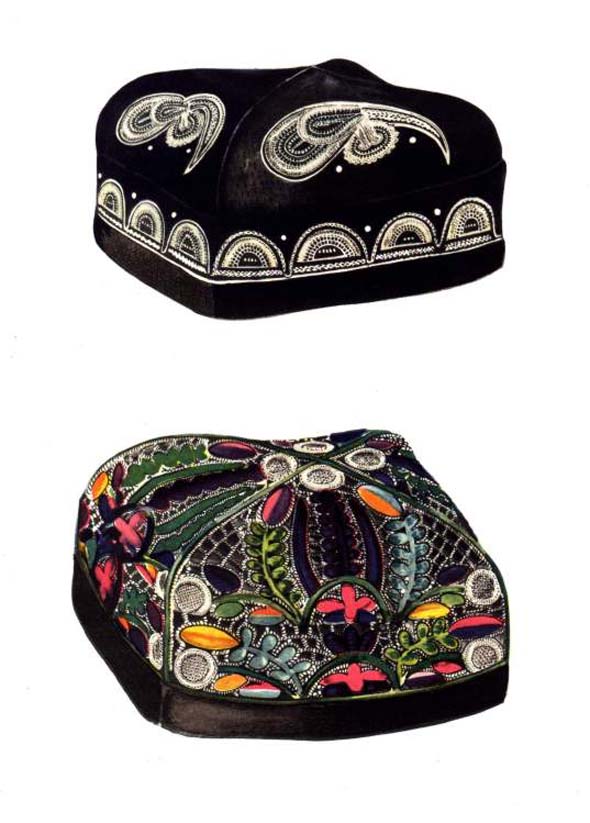
Album of Tajik clothing
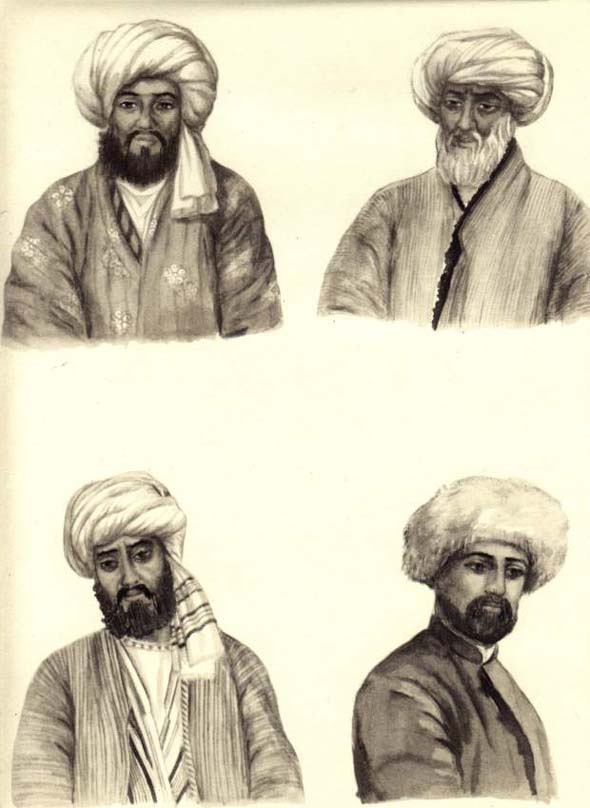
Album of Tajik clothing
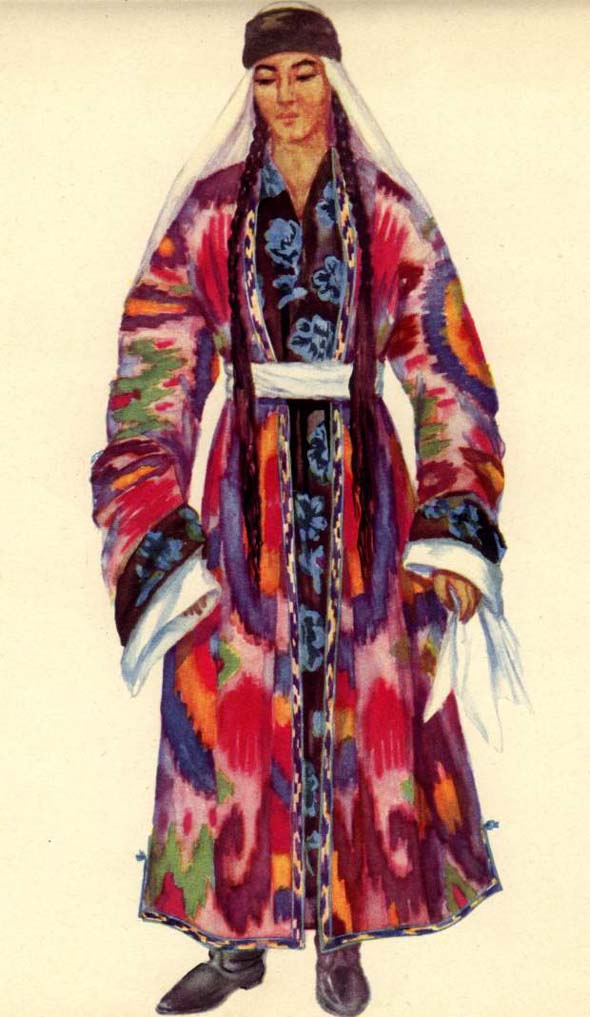
Album of Tajik clothing
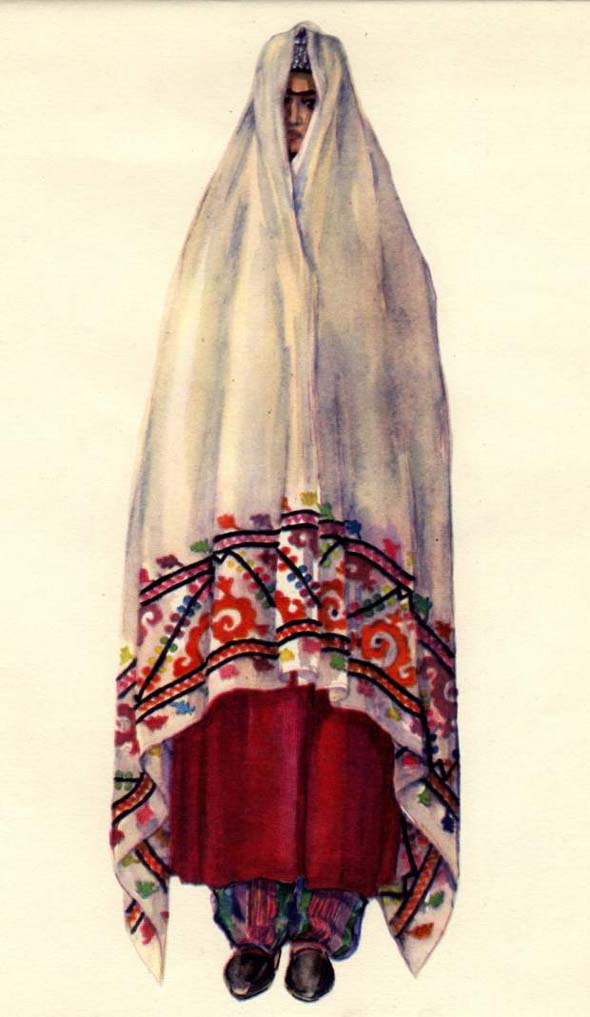
Album of Tajik clothing
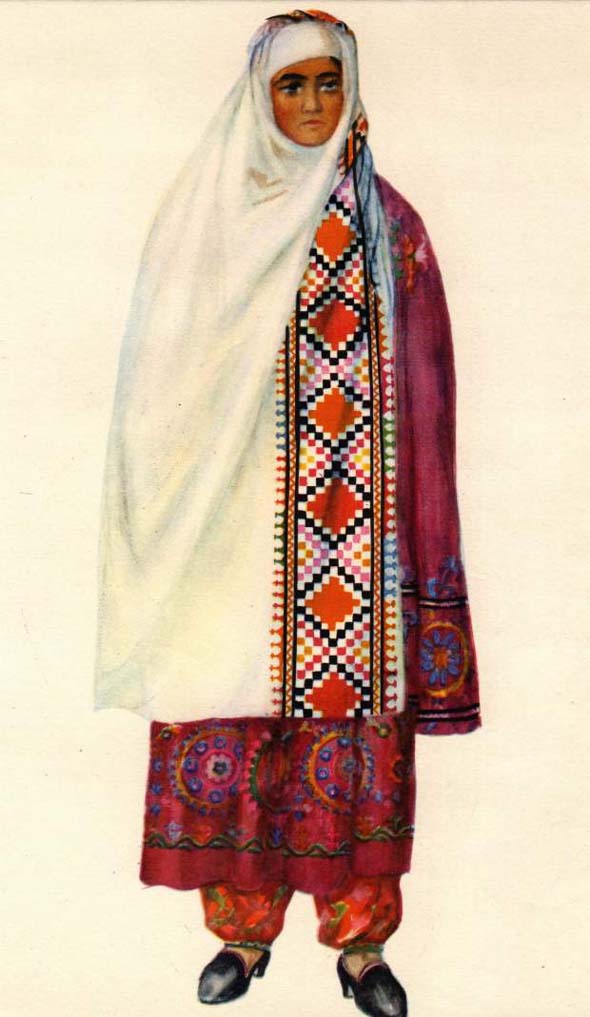
Album of Tajik clothing
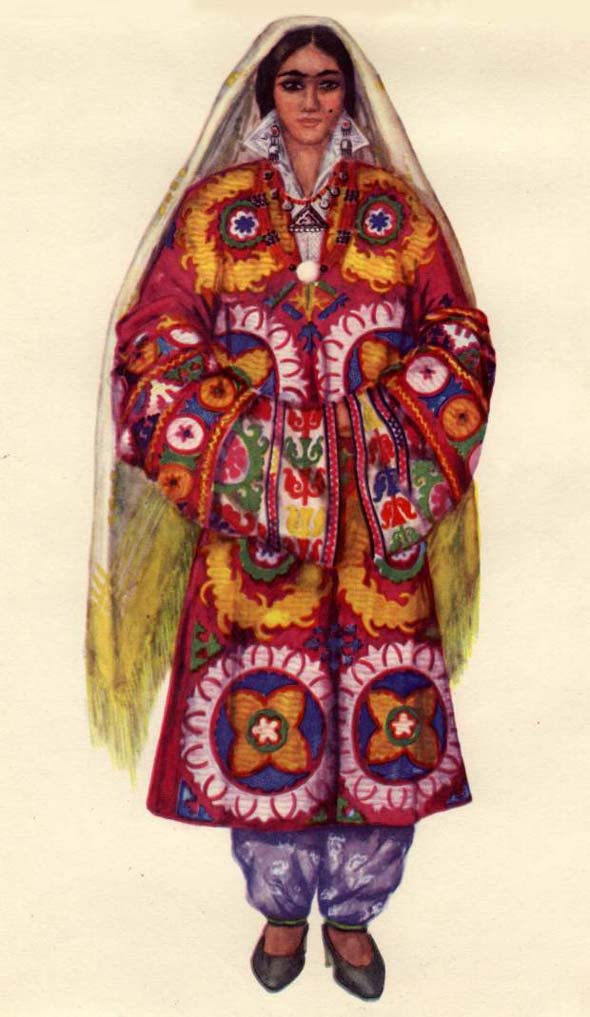
Album of Tajik clothing
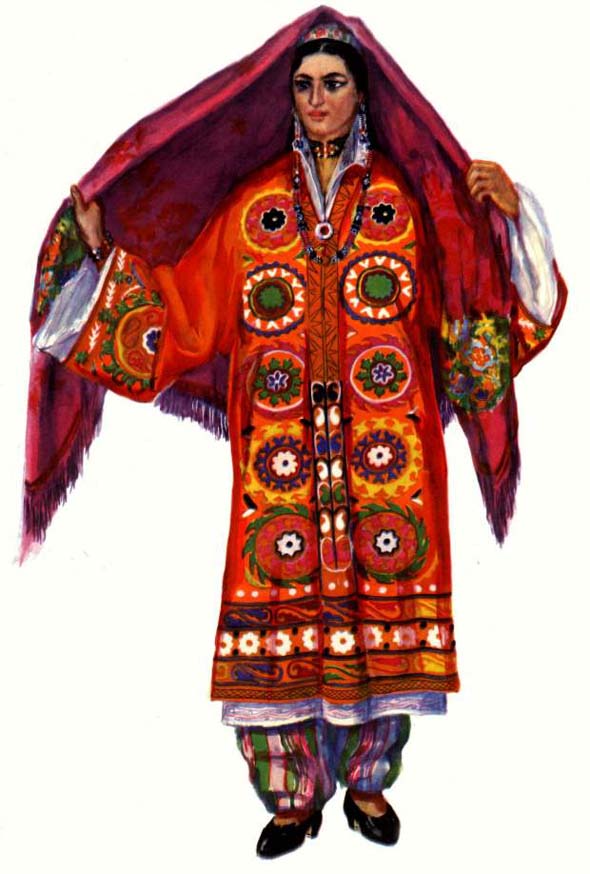
Album of Tajik clothing
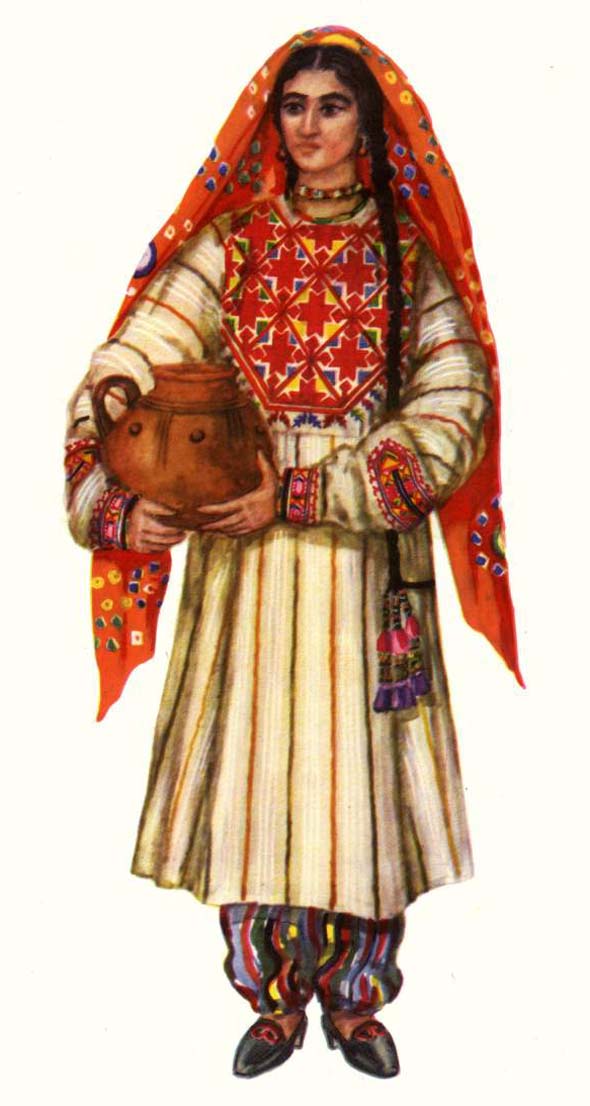
Album of Tajik clothing
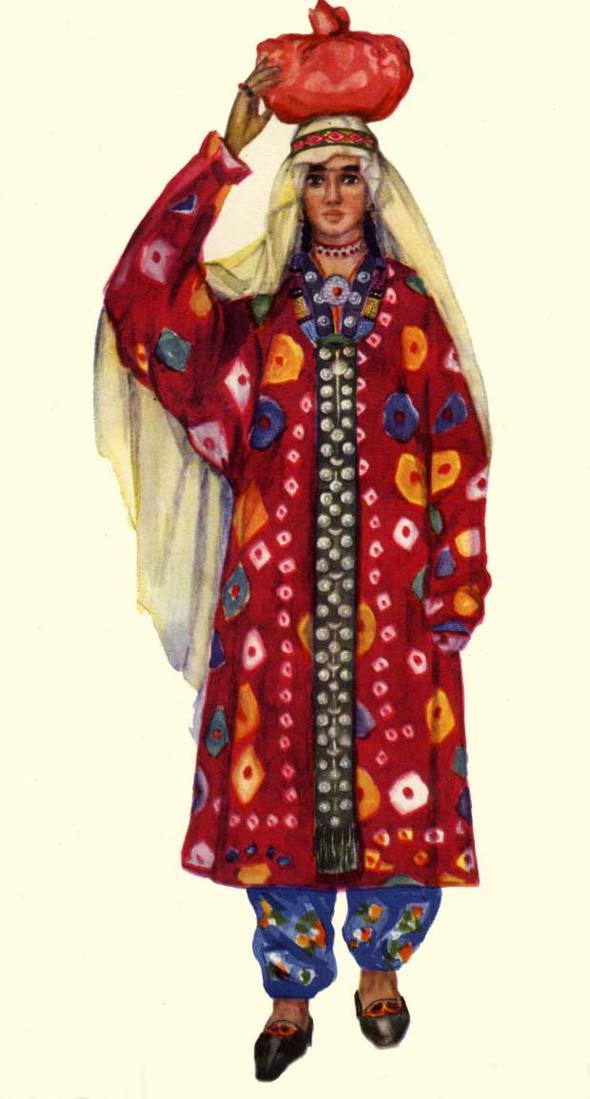
Album of Tajik clothing
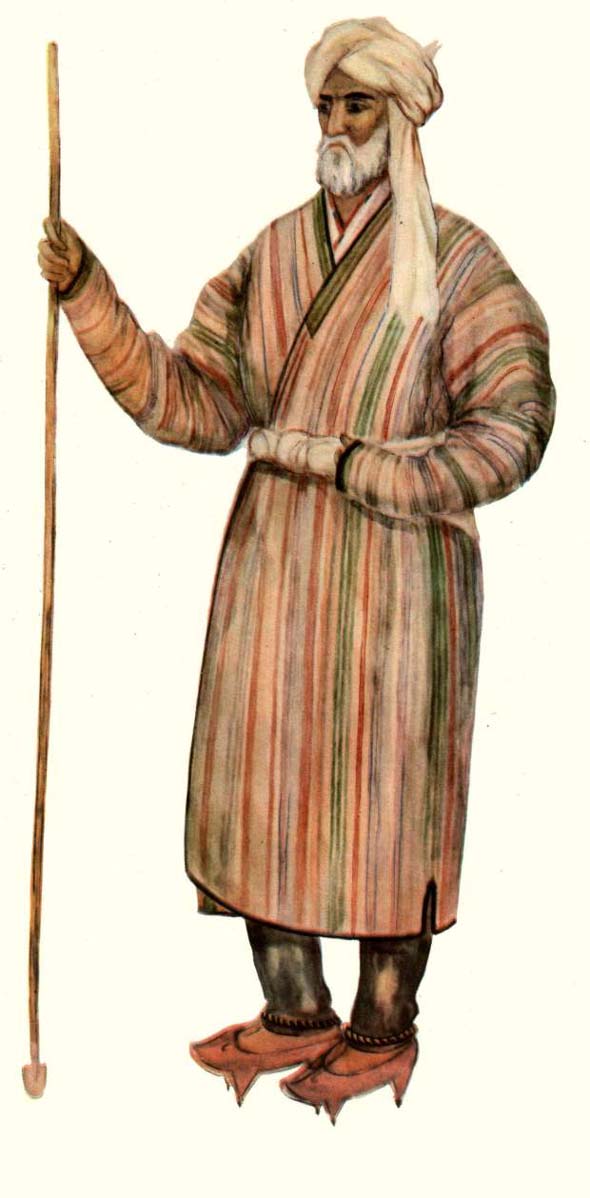
Album of Tajik clothing
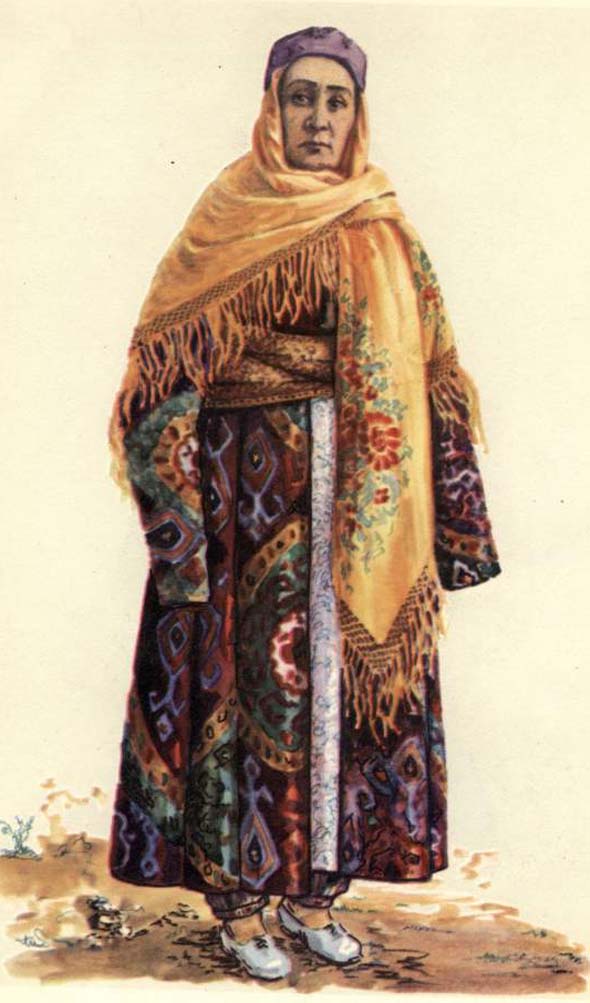
Album of Tajik clothing
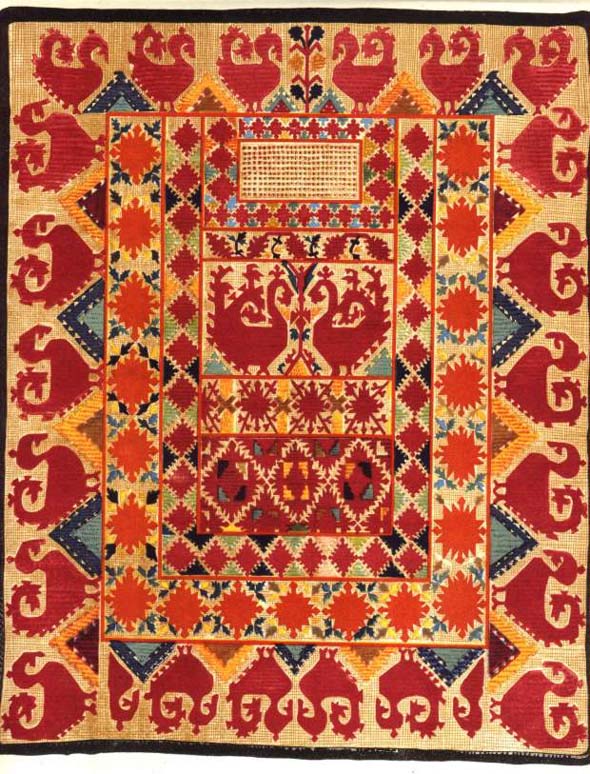
Album of Tajik clothing
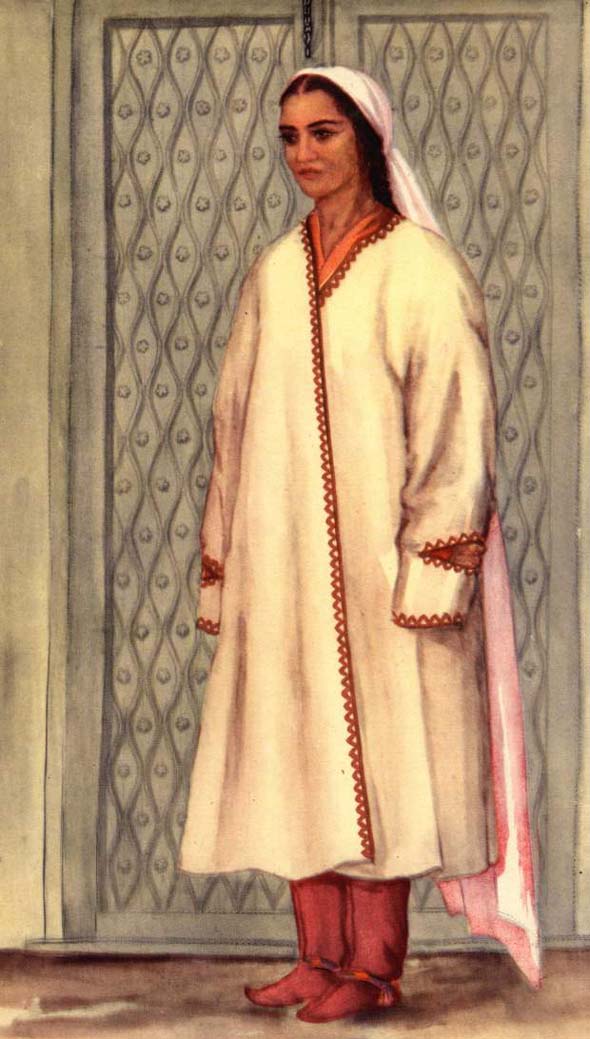
Album of Tajik clothing
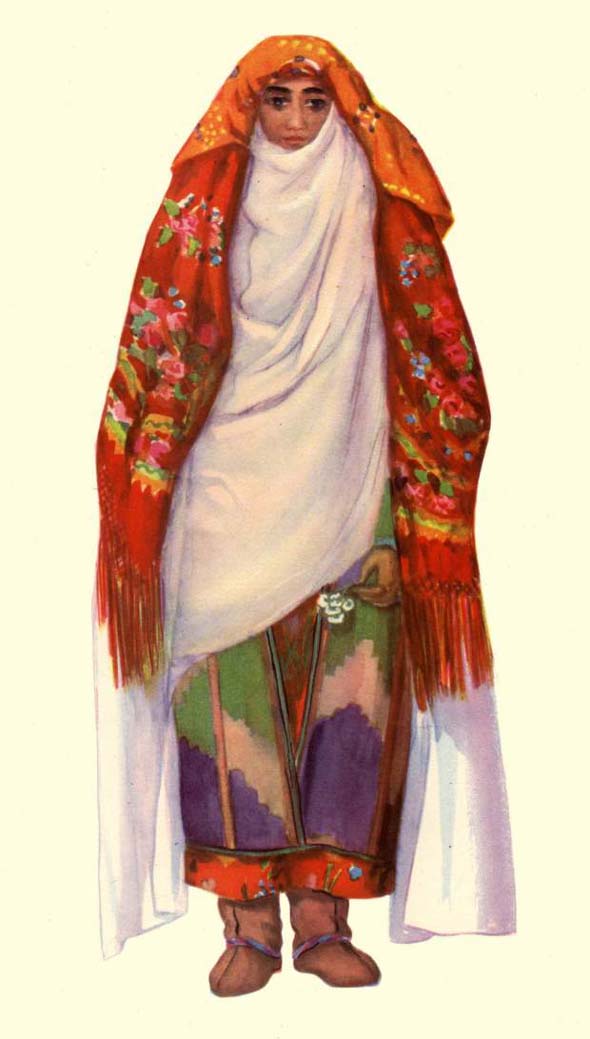
Album of Tajik clothing
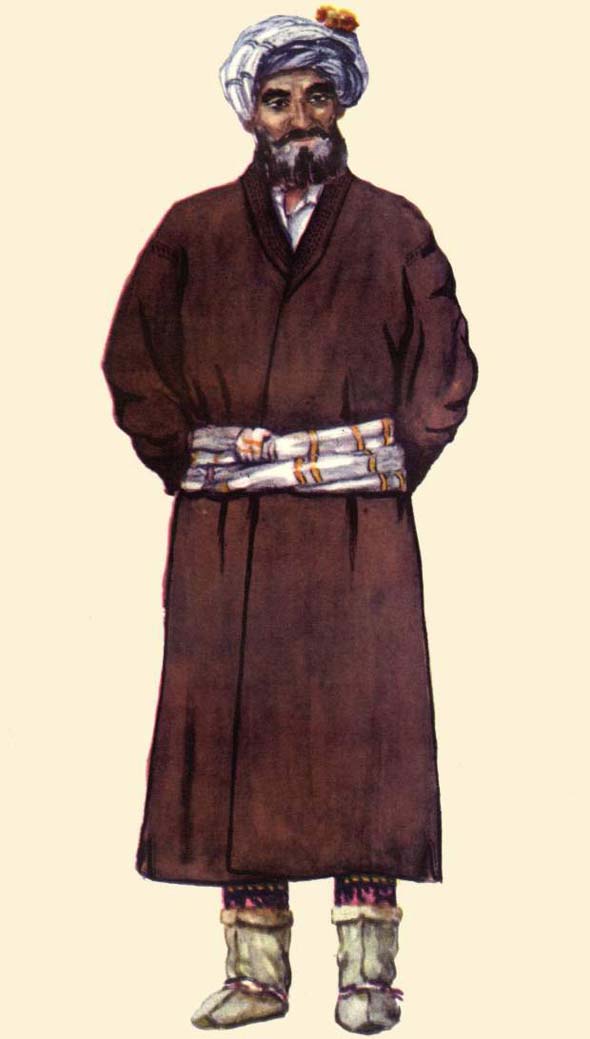
Album of Tajik clothing
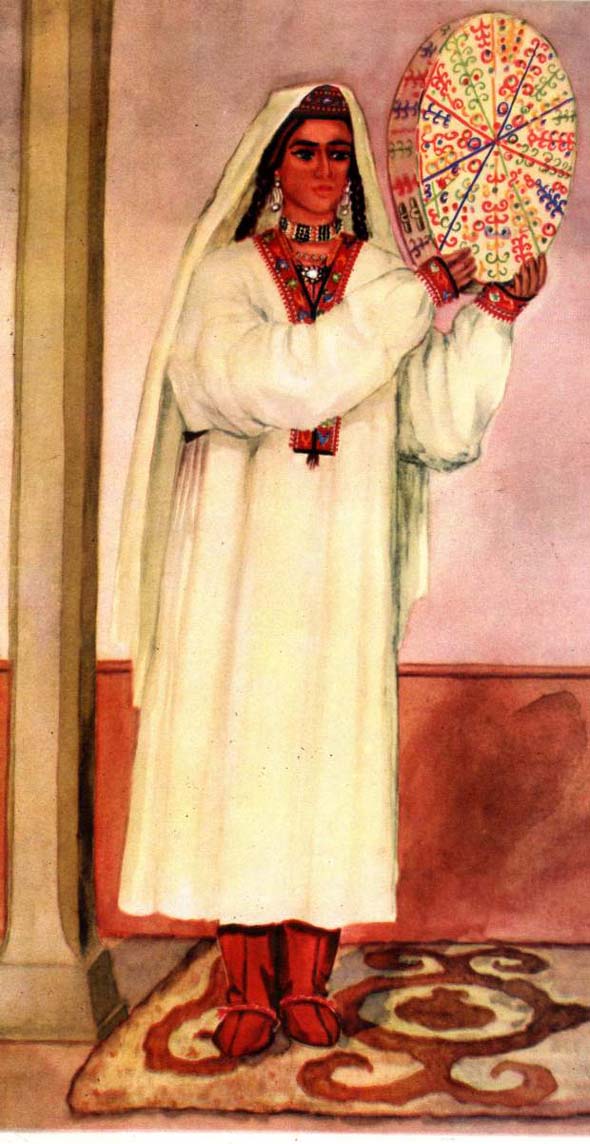
Album of Tajik clothing
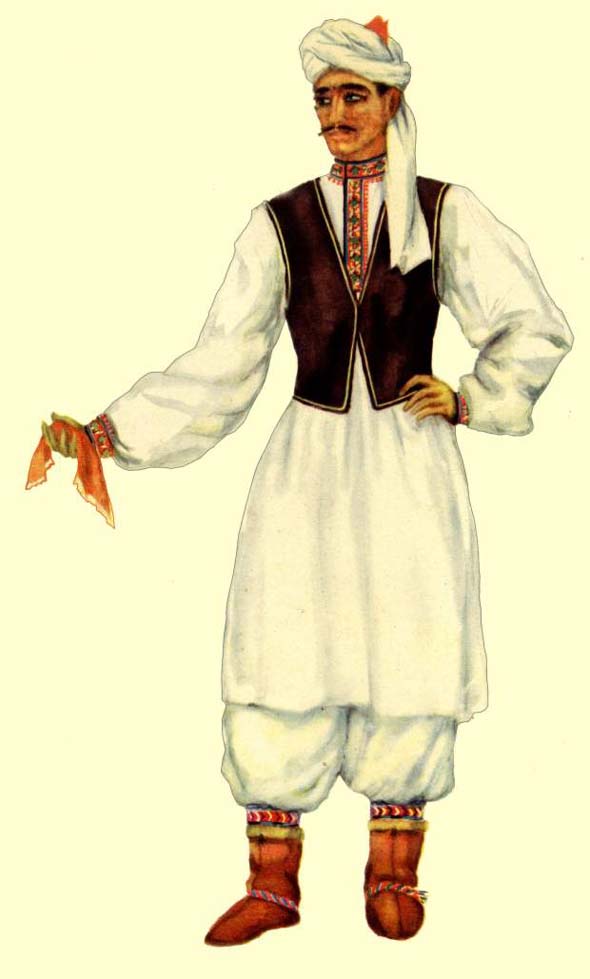
Album of Tajik clothing
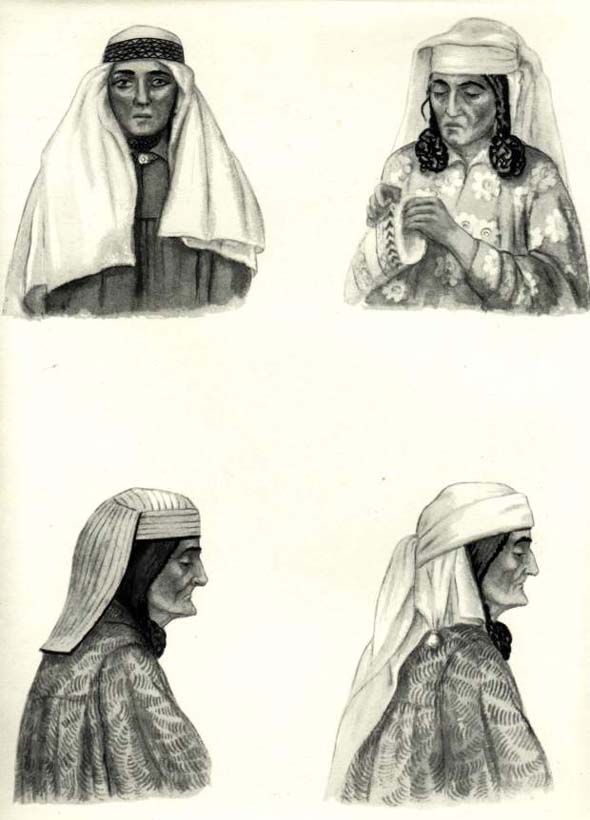
Album of Tajik clothing
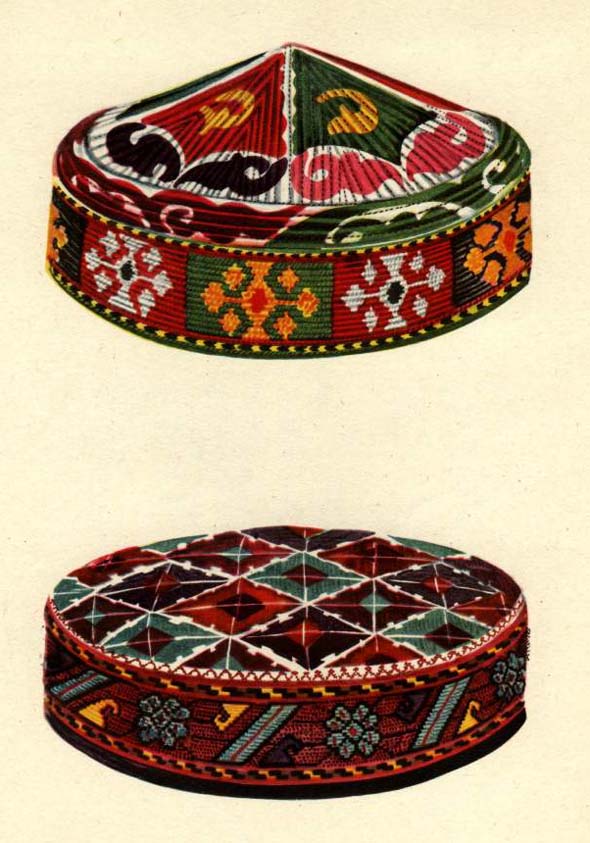
Album of Tajik clothing
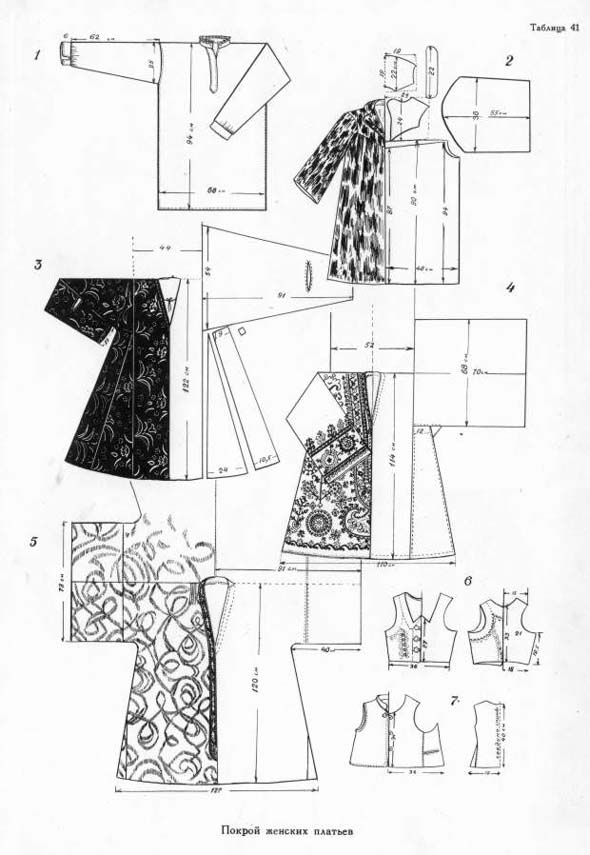
Album of Tajik clothing
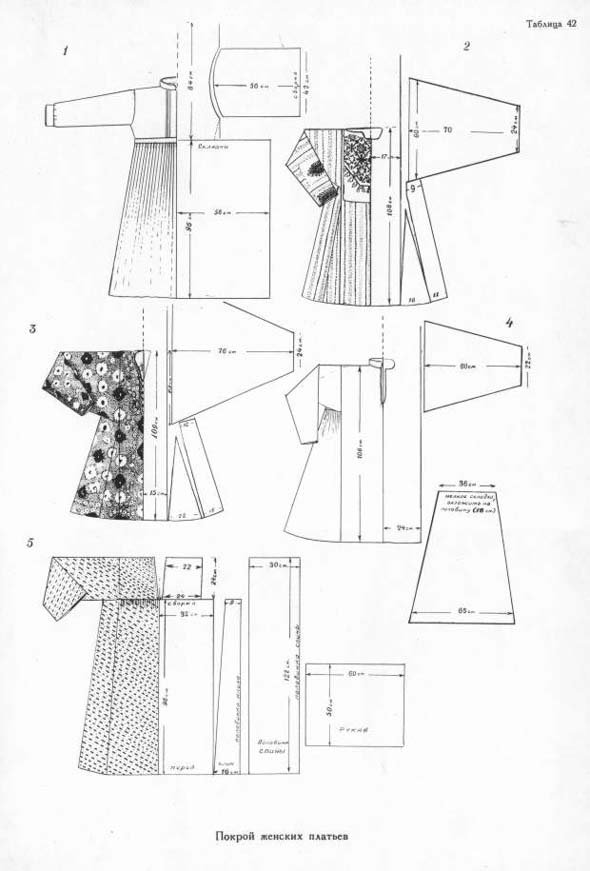
Album of Tajik clothing
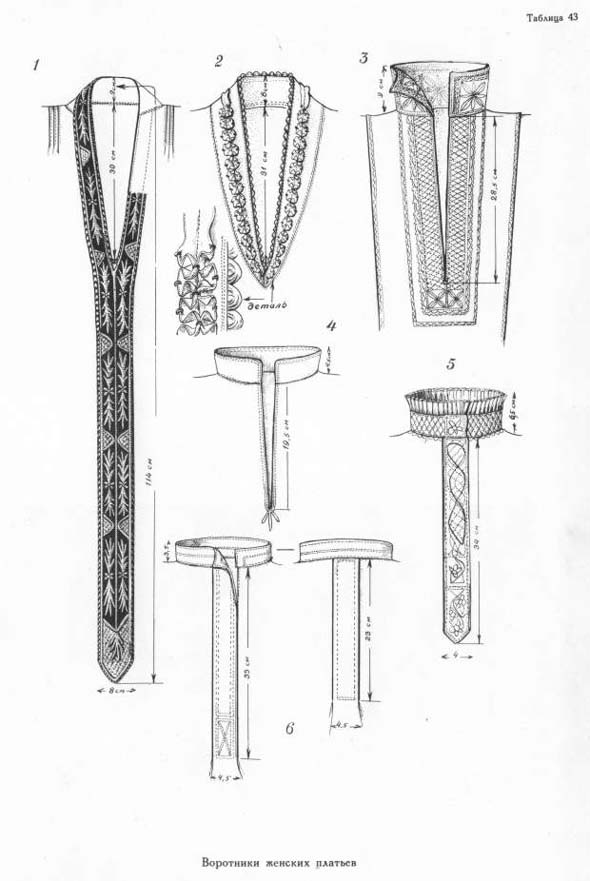
Album of Tajik clothing
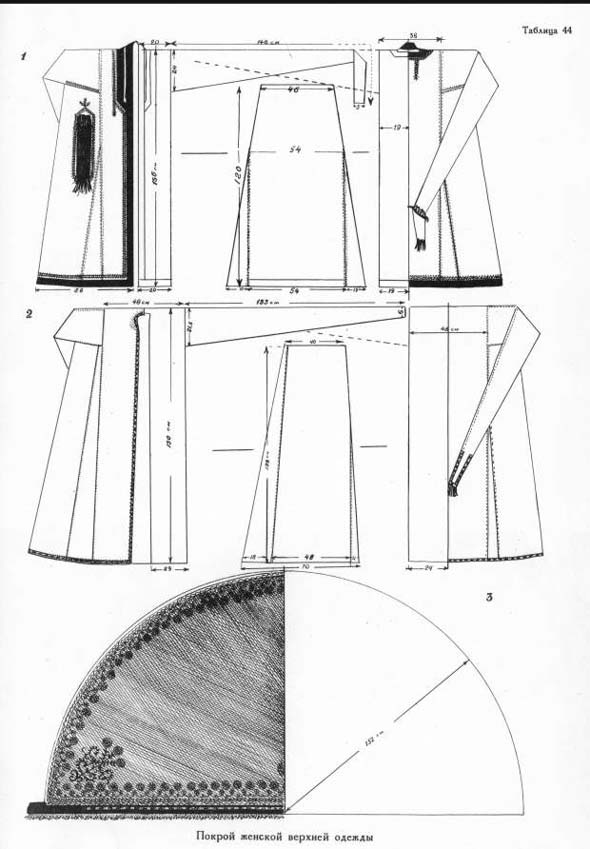
Album of Tajik clothing
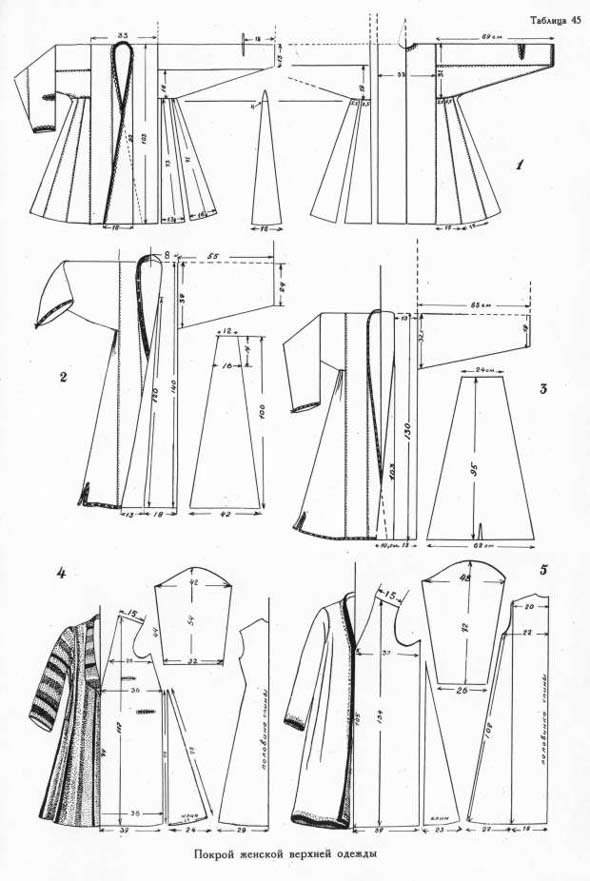
Album of Tajik clothing
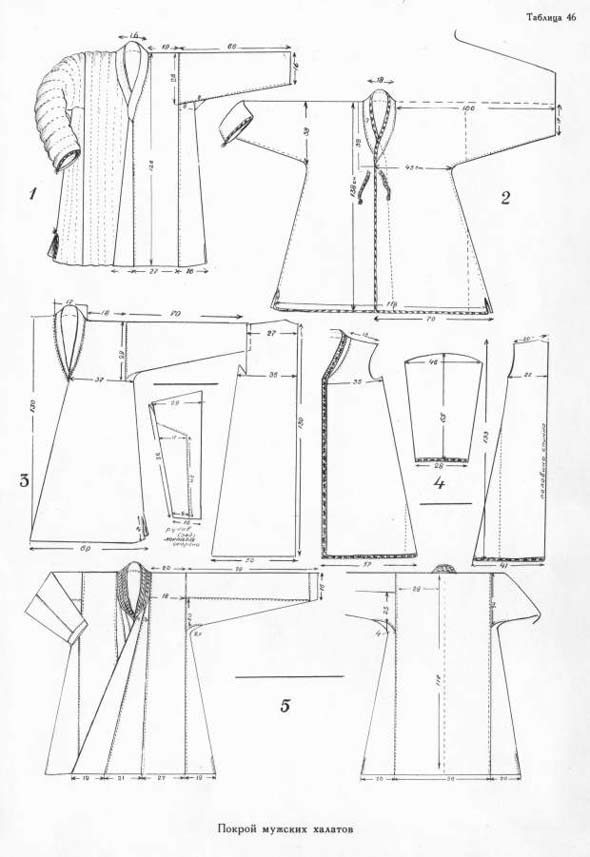
Album of Tajik clothing
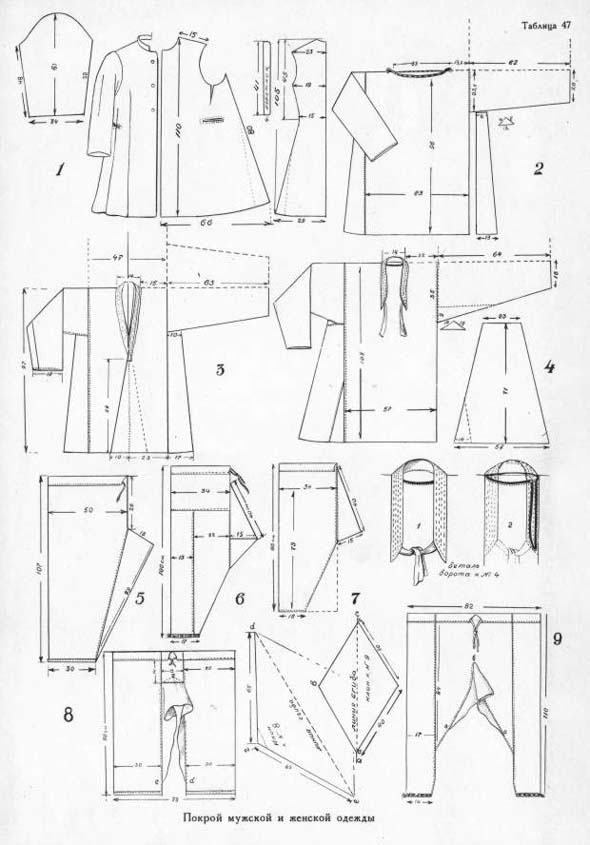
Album of Tajik clothing
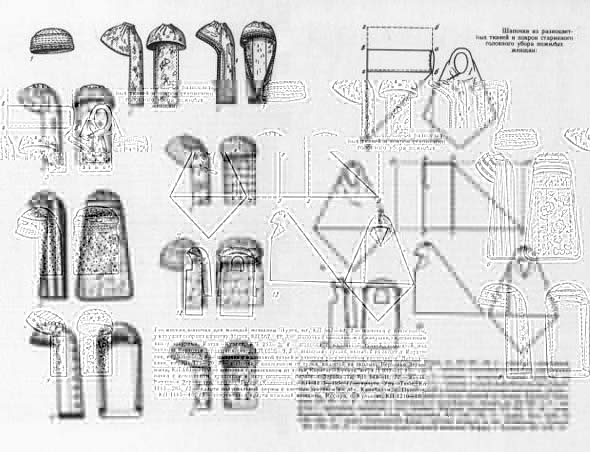
Album of Tajik clothing
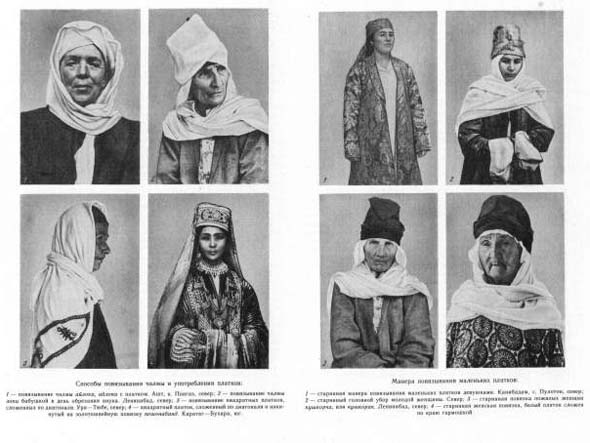
Album of Tajik clothing
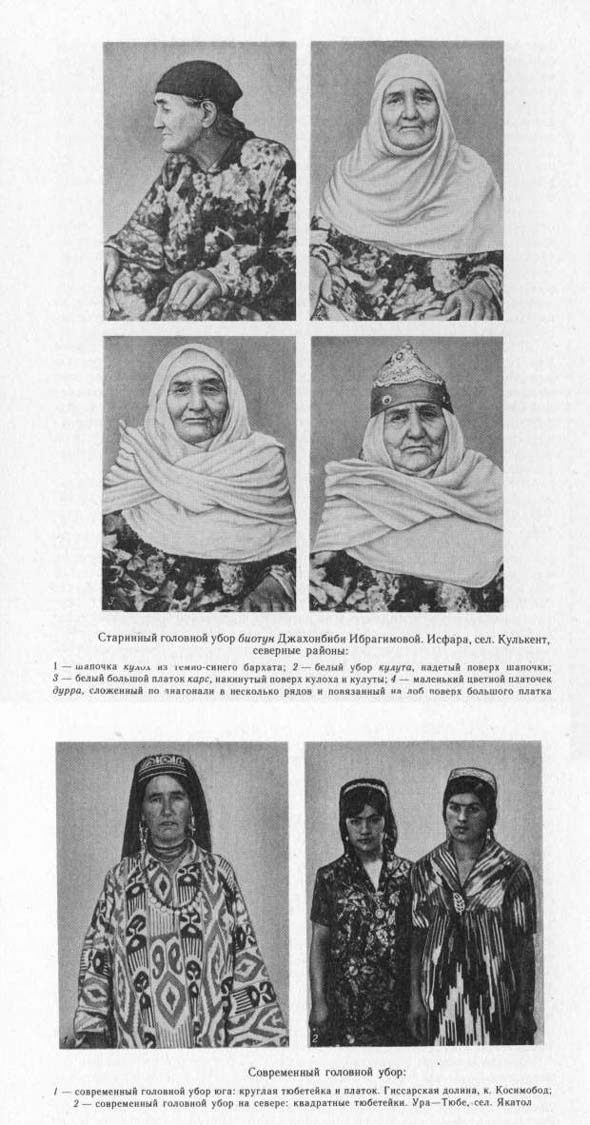
Album of Tajik clothing
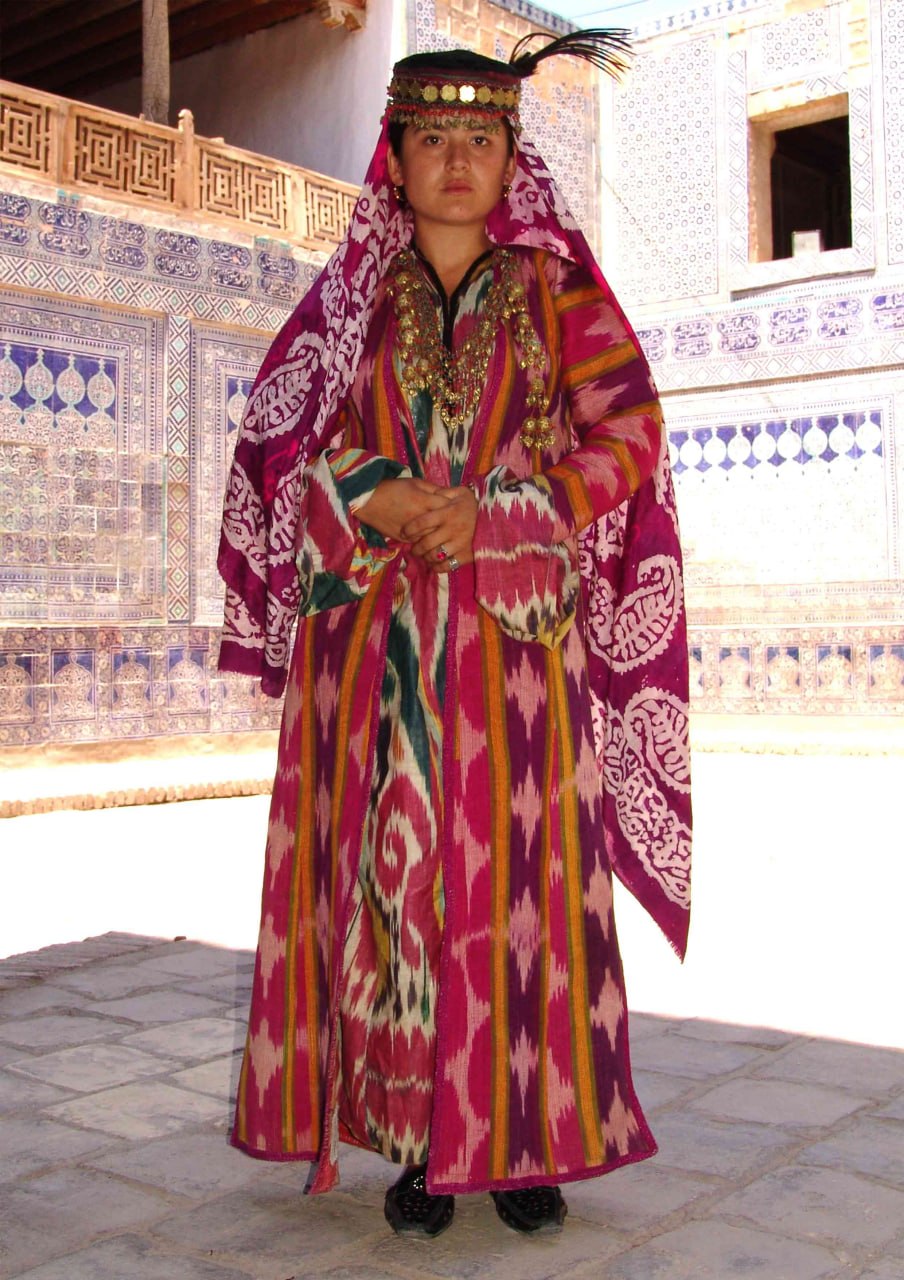
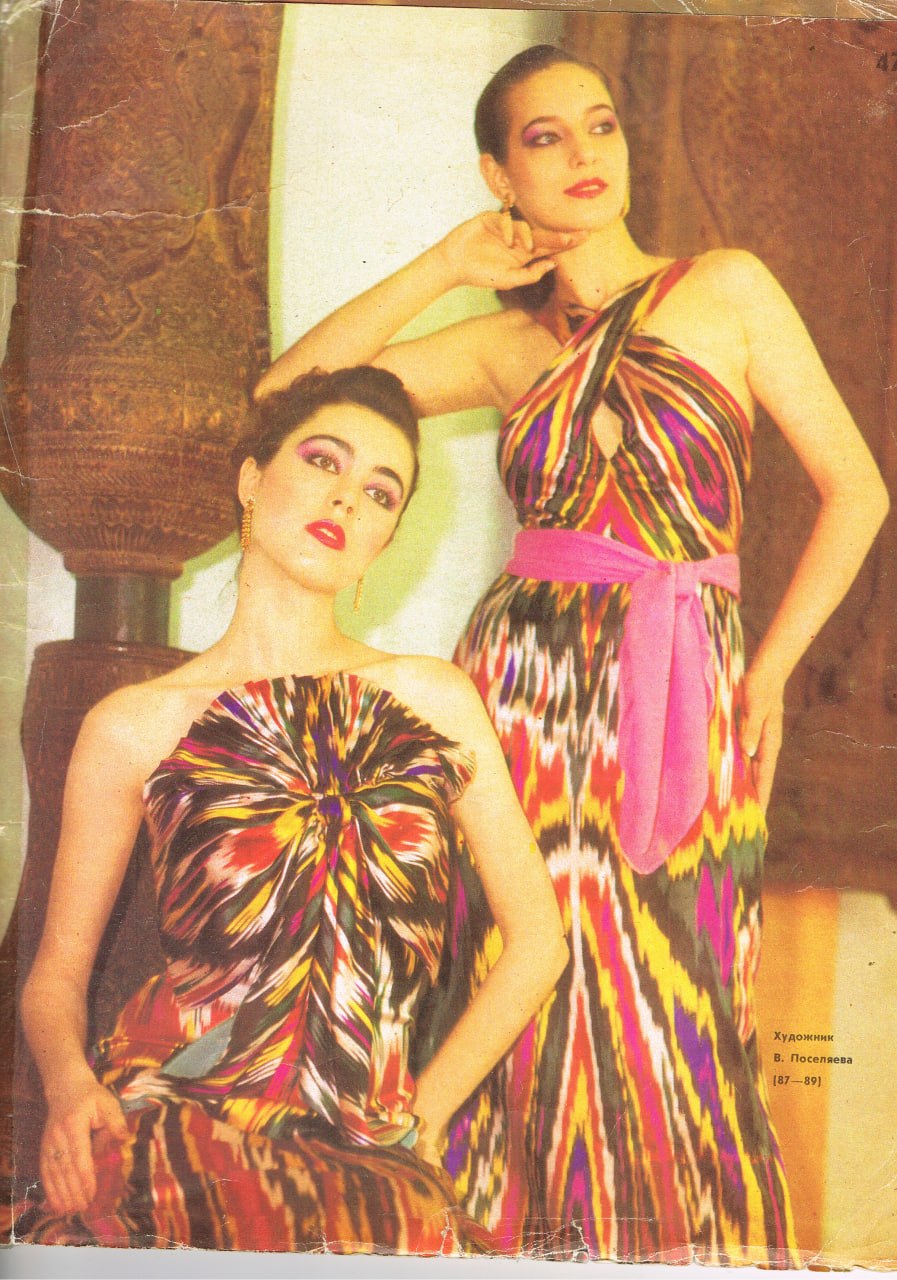
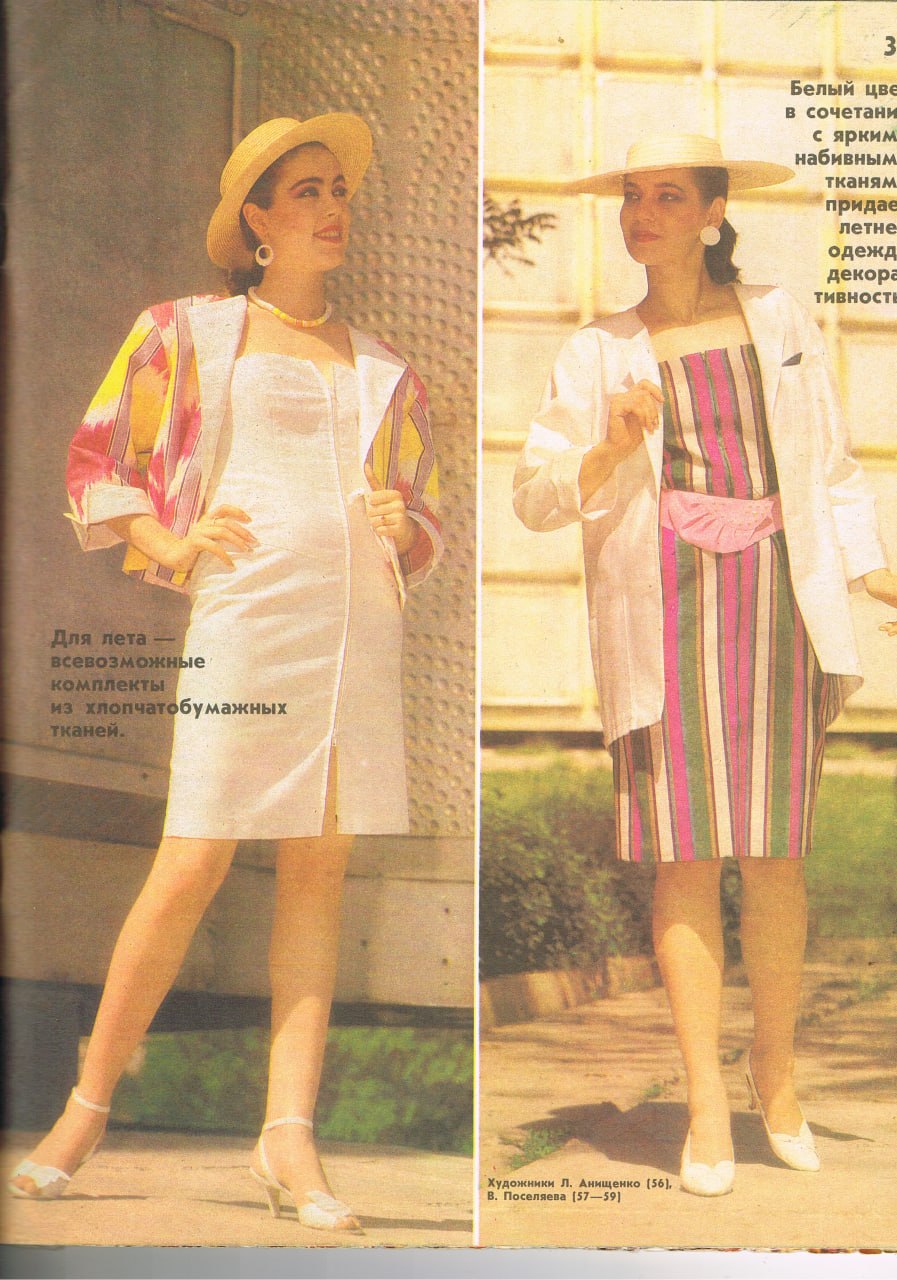
1970s–1980s ikat fashion
9 imagesMagazine covers, fashion photographs and illustrations, accompanied by images of ikat production.
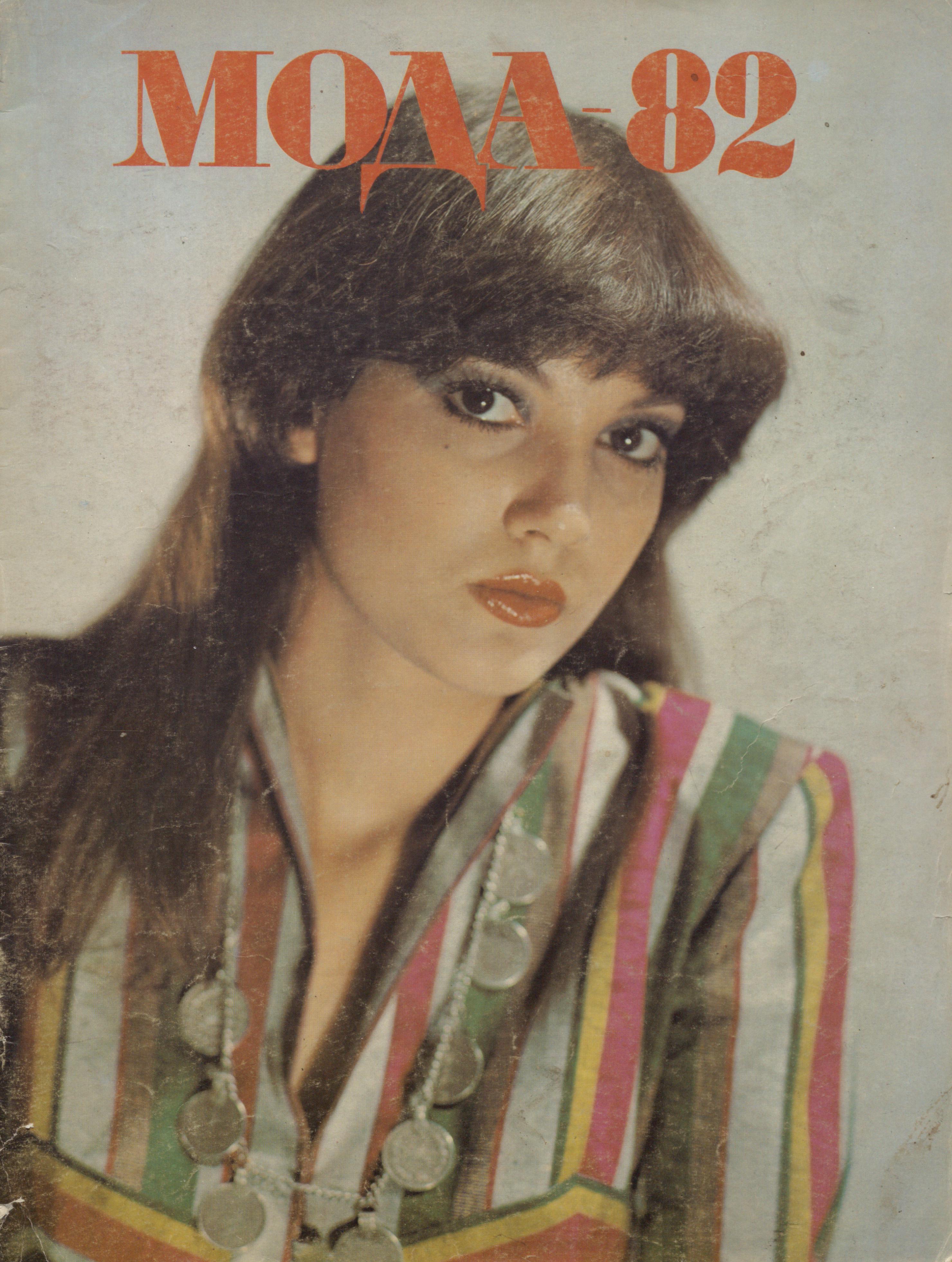
1982
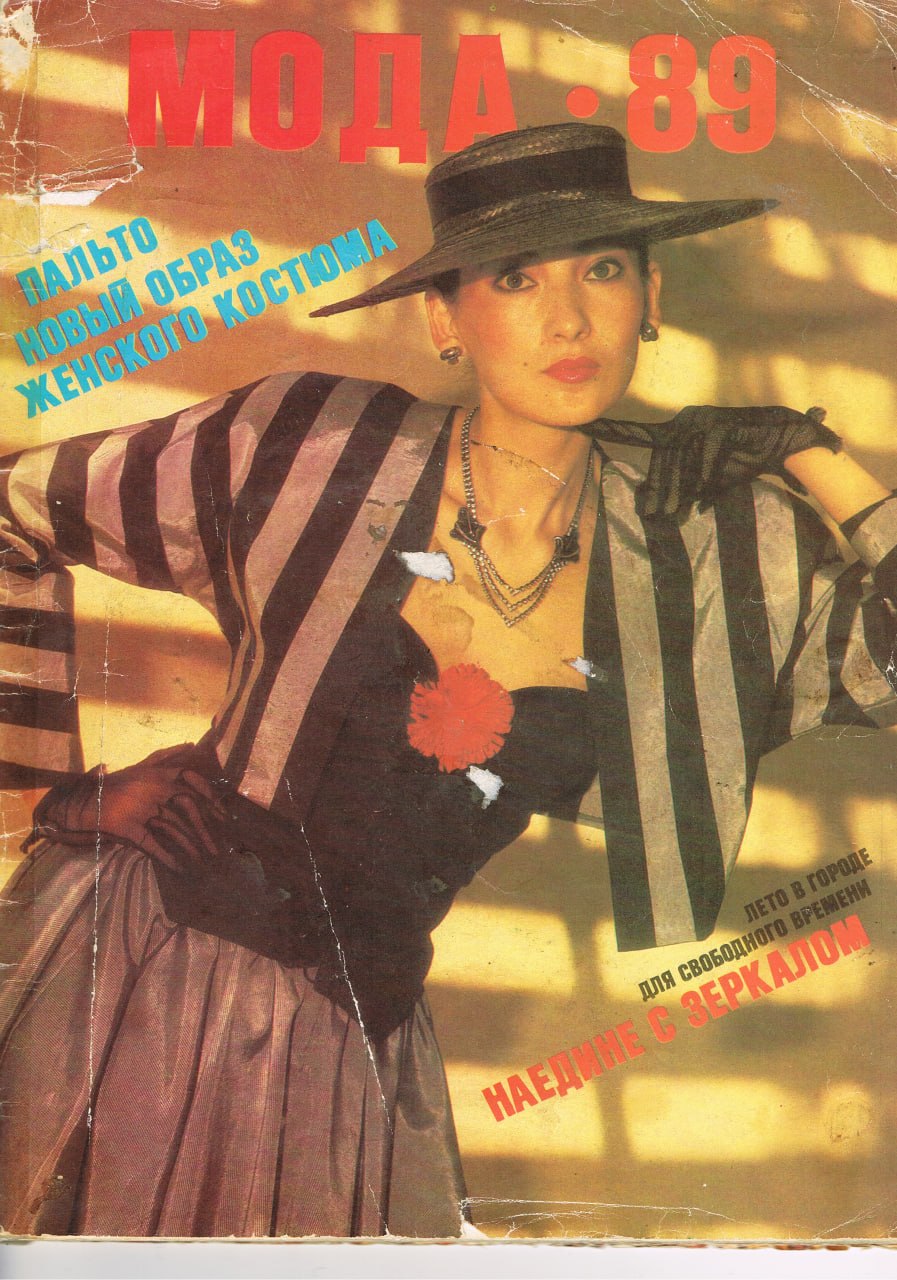
1989
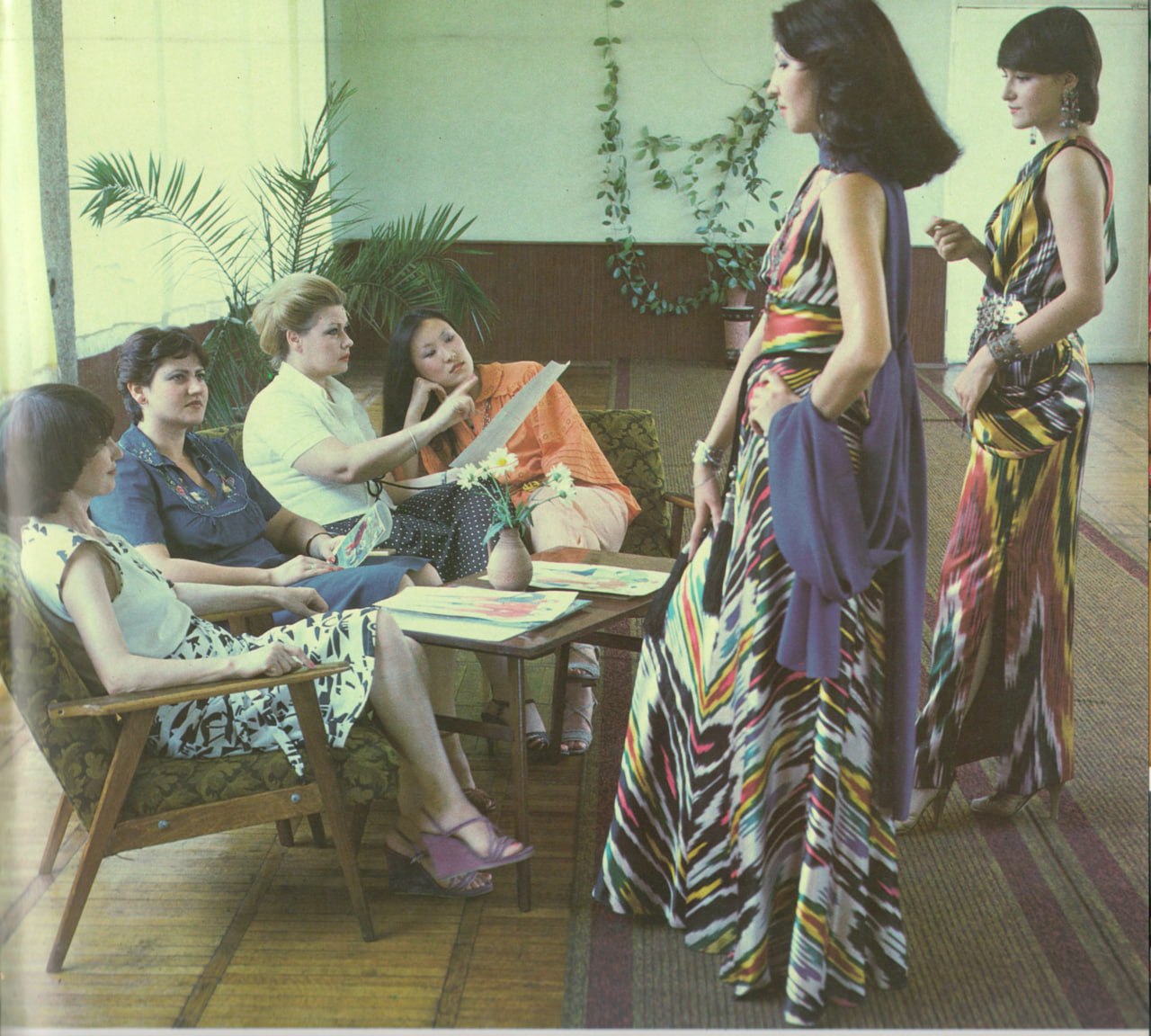
Tashkent
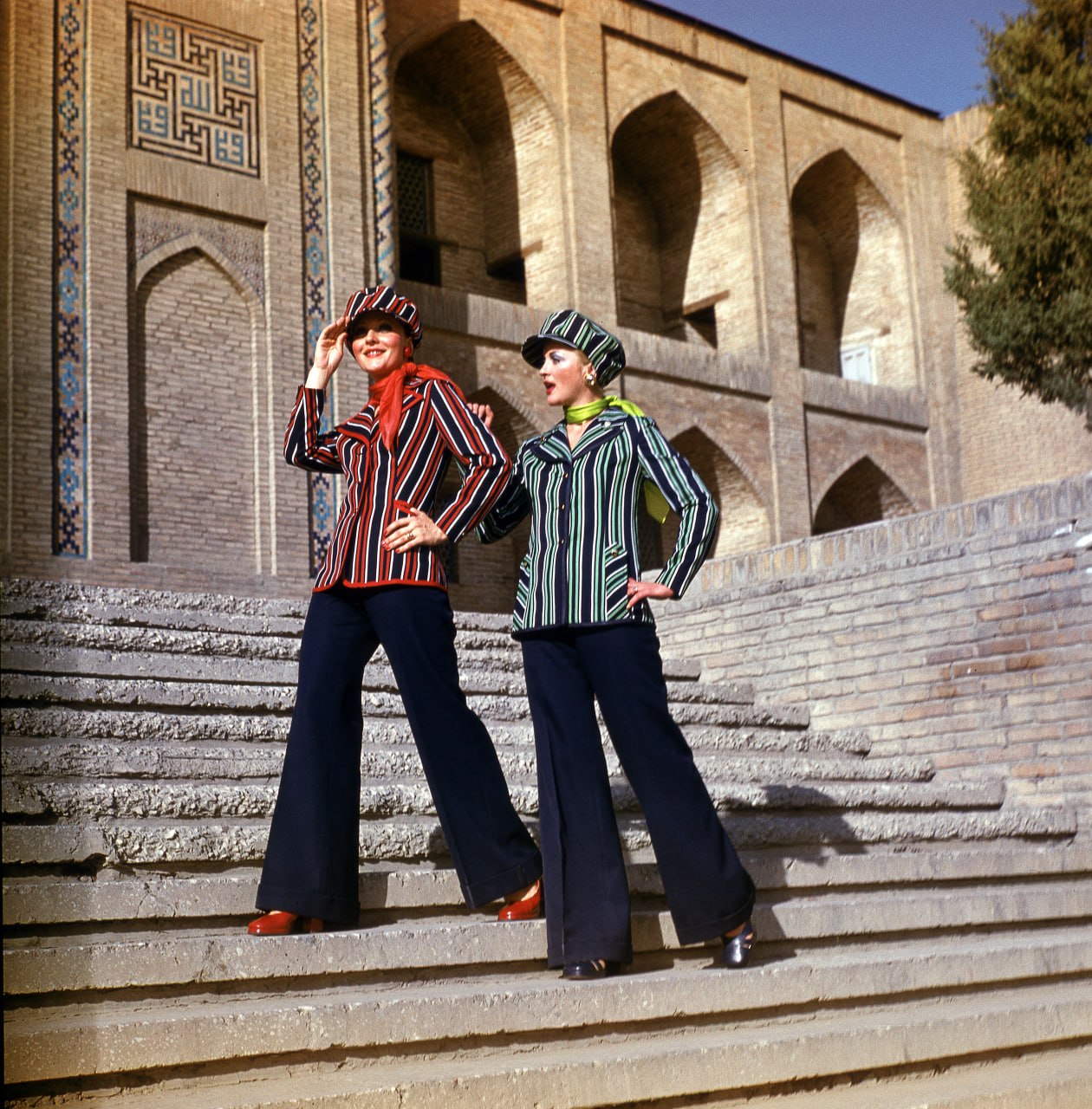
Late 1970s
Photo: S. Beznosov
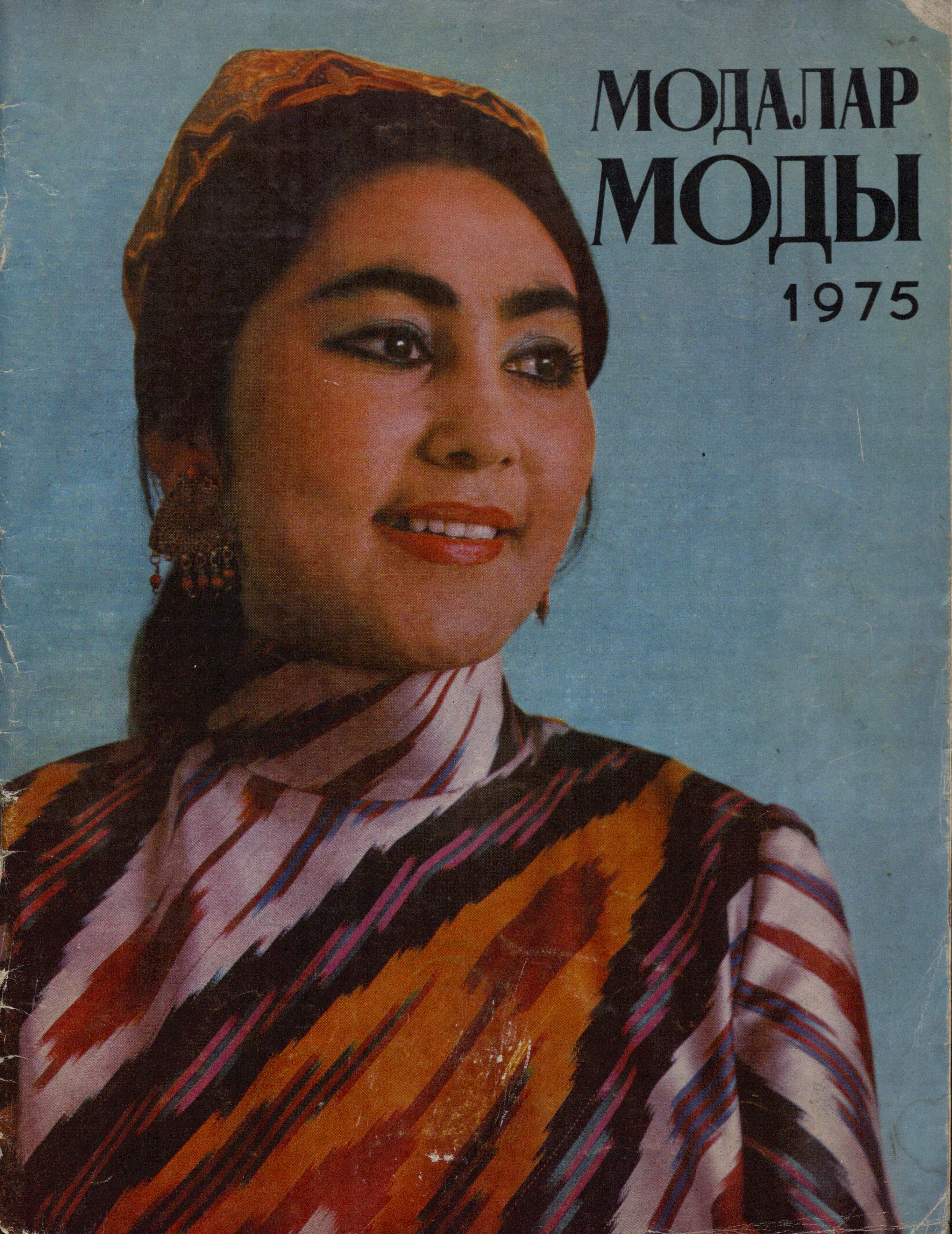
1975
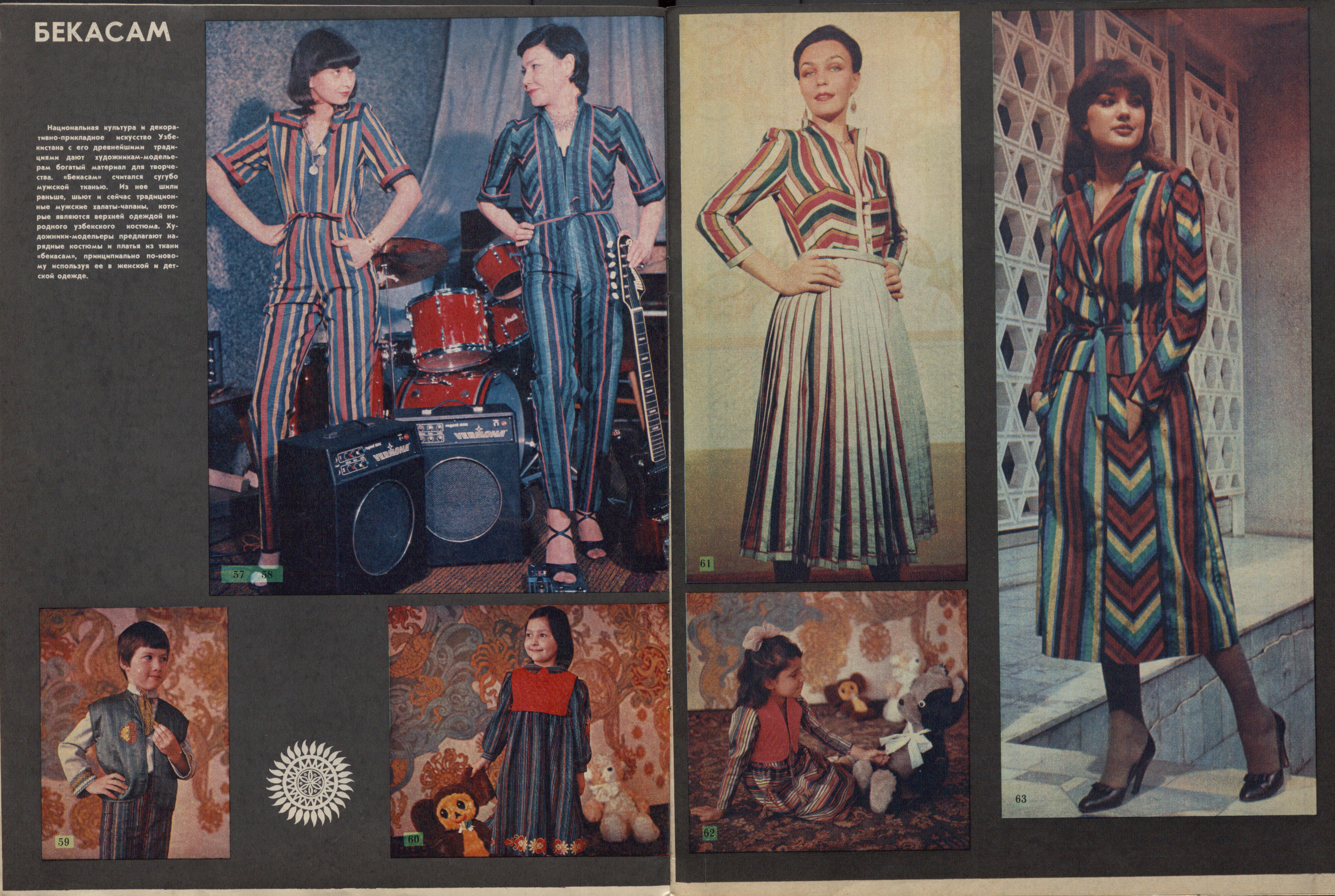
1982